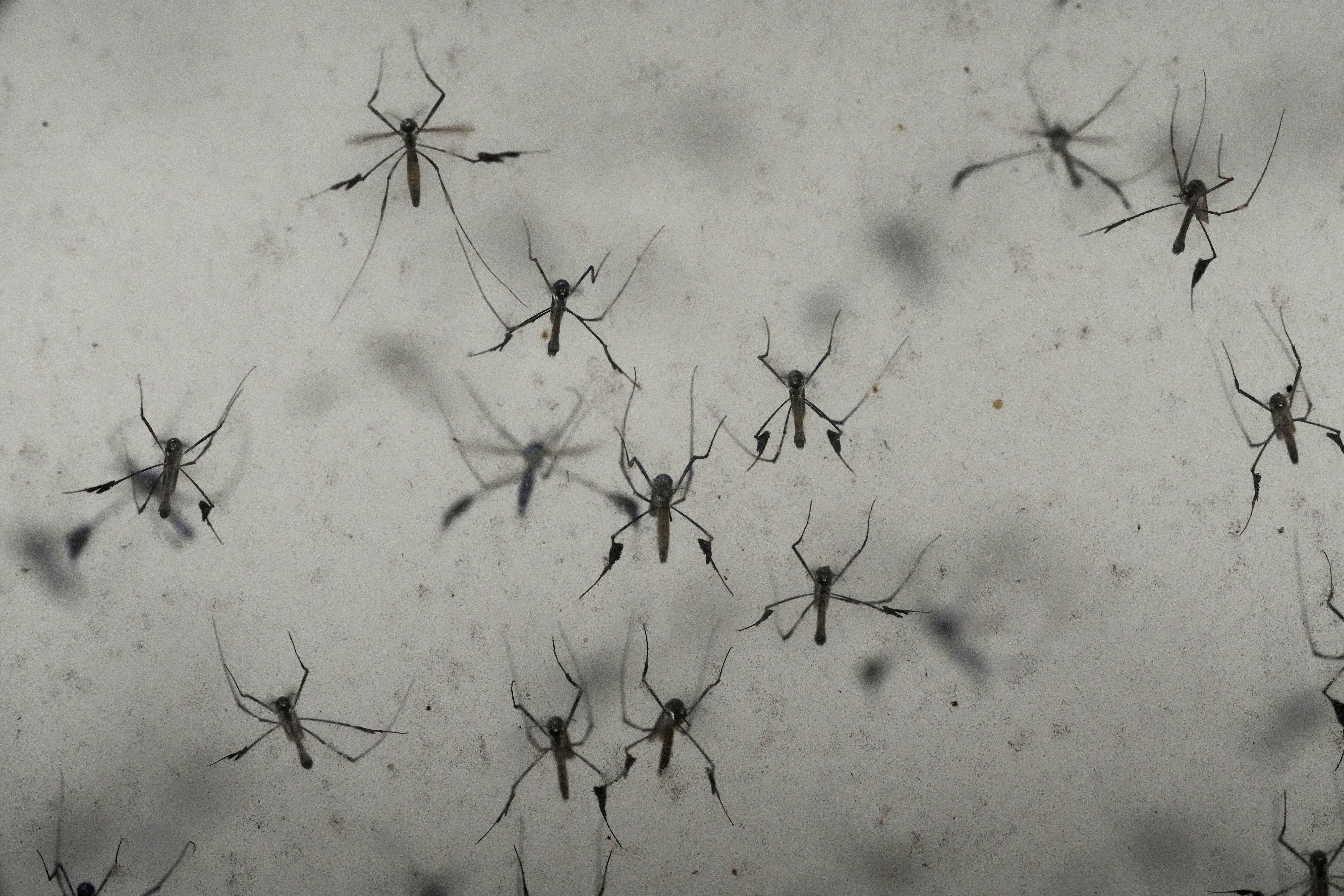
Florida's dengue fever outbreak has escalated to 252 reported cases this year, marking the largest in the continental United States in decades, according to state health data released this week. The surge has prompted emergency declarations and intensified mosquito control efforts, particularly in the Tampa Bay area.
Dengue, a viral illness spread by infected Aedes mosquitoes, is rarely fatal, and many infected individuals show no symptoms. However, those who do fall ill may experience high fever, severe eye and joint pain, nausea, and a characteristic rash, as outlined by the Centers for Disease Control and Prevention (CDC).
Last month, the virus claimed the life of an elderly woman in Tampa, underscoring the outbreak's severity. Hillsborough County, which includes Tampa and is the state's fourth most populous county, has been the epicenter, accounting for 223 locally acquired cases.
County Administrator Bonnie Wise extended the state of emergency this week, citing the ongoing need to curb the local mosquito population. The county urges residents to eliminate standing water, wear protective clothing outdoors, and apply insect repellent to reduce transmission risk.
Florida has long been a hotspot for dengue in the continental US, with its warm climate providing ideal breeding conditions for the mosquitoes. In 2023, the state recorded 200 locally spread cases, but this year's tally has already surpassed that figure, signaling a concerning trend.
Puerto Rico remains the hardest-hit US territory, with 922 of the nation's 2,145 locally acquired cases this year, according to CDC data. The largest outbreak in US history occurred in Hawaii between 2015 and 2016, when 264 cases were reported over six months. Florida's current numbers are approaching that benchmark.
Health officials warn that climate change and increased travel could exacerbate the spread of dengue in the coming years. The CDC has urged physicians to consider dengue in patients with compatible symptoms who live in or have traveled to affected areas.
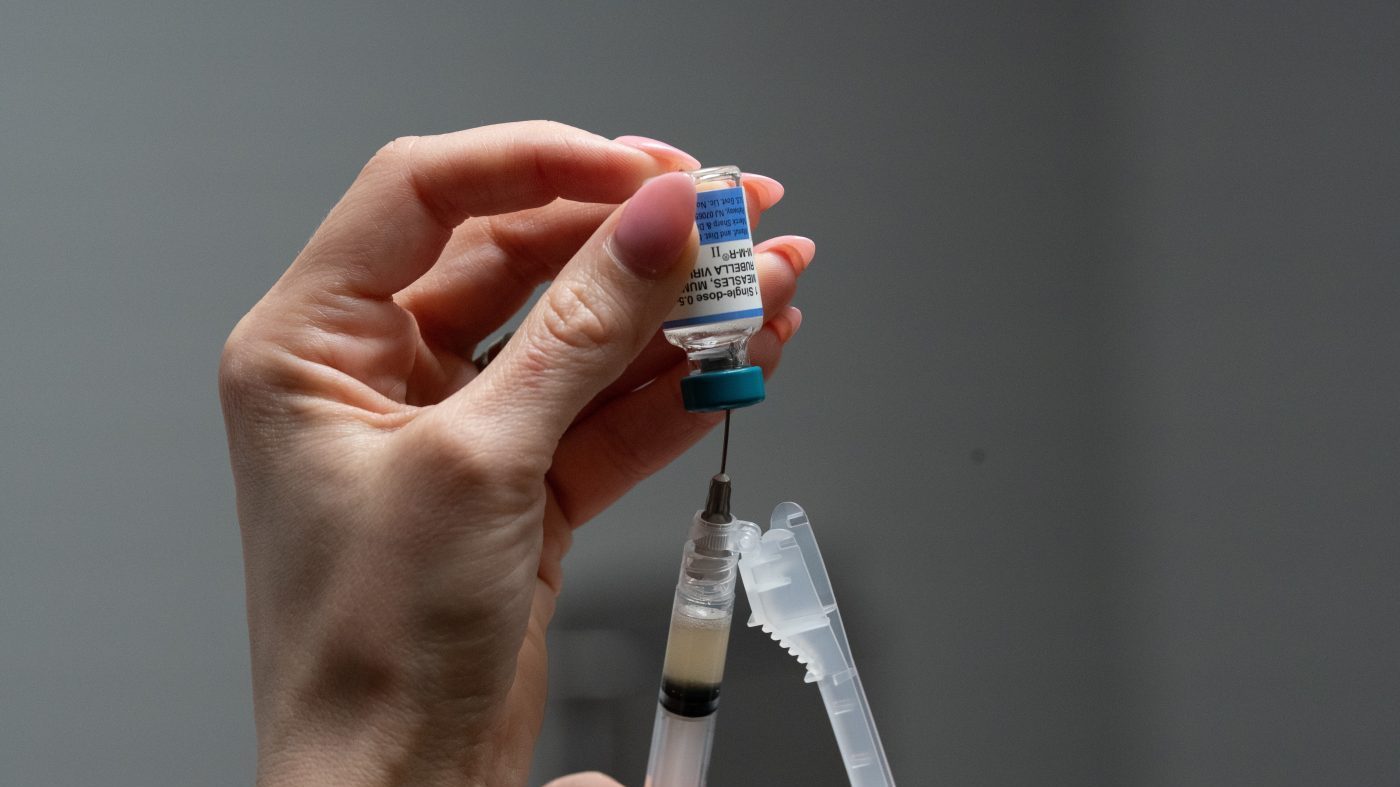
Local leaders are also drawing attention to the broader public health implications, noting that resources for vector control are often stretched thin during peak mosquito season. The situation in Florida mirrors challenges seen in other states, such as the measles outbreak in Pennsylvania, where public health responses have become politically fraught.
As the outbreak continues, state and county officials are balancing emergency measures with long-term prevention strategies. The declaration of emergency allows for expedited procurement of insecticides and additional staffing, but experts emphasize that community cooperation is essential to halt the virus's spread.