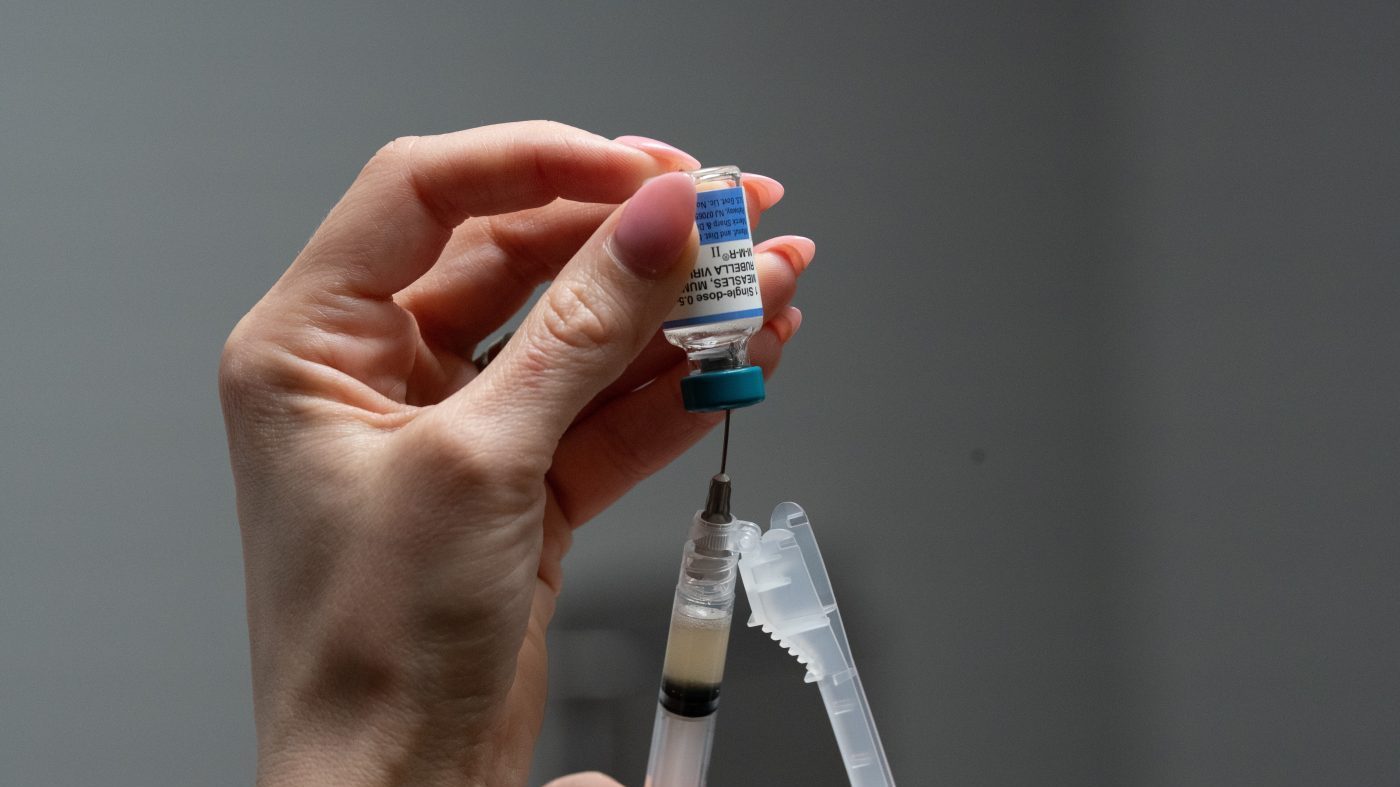
Pennsylvania is on the verge of recording 1,000 measles cases this year, with state health officials confirming 977 infections across 39 counties as of Friday. The latest count marks an increase of 34 cases since September 30, and hospitalizations have climbed to 195.
The state health department also reiterated its reported five measles-related deaths, a figure that has become the center of a bitter political fight between Democratic Governor Josh Shapiro and Health Secretary Robert F. Kennedy Jr. The dispute centers on what qualifies as a measles death, and it has delayed federal assistance.
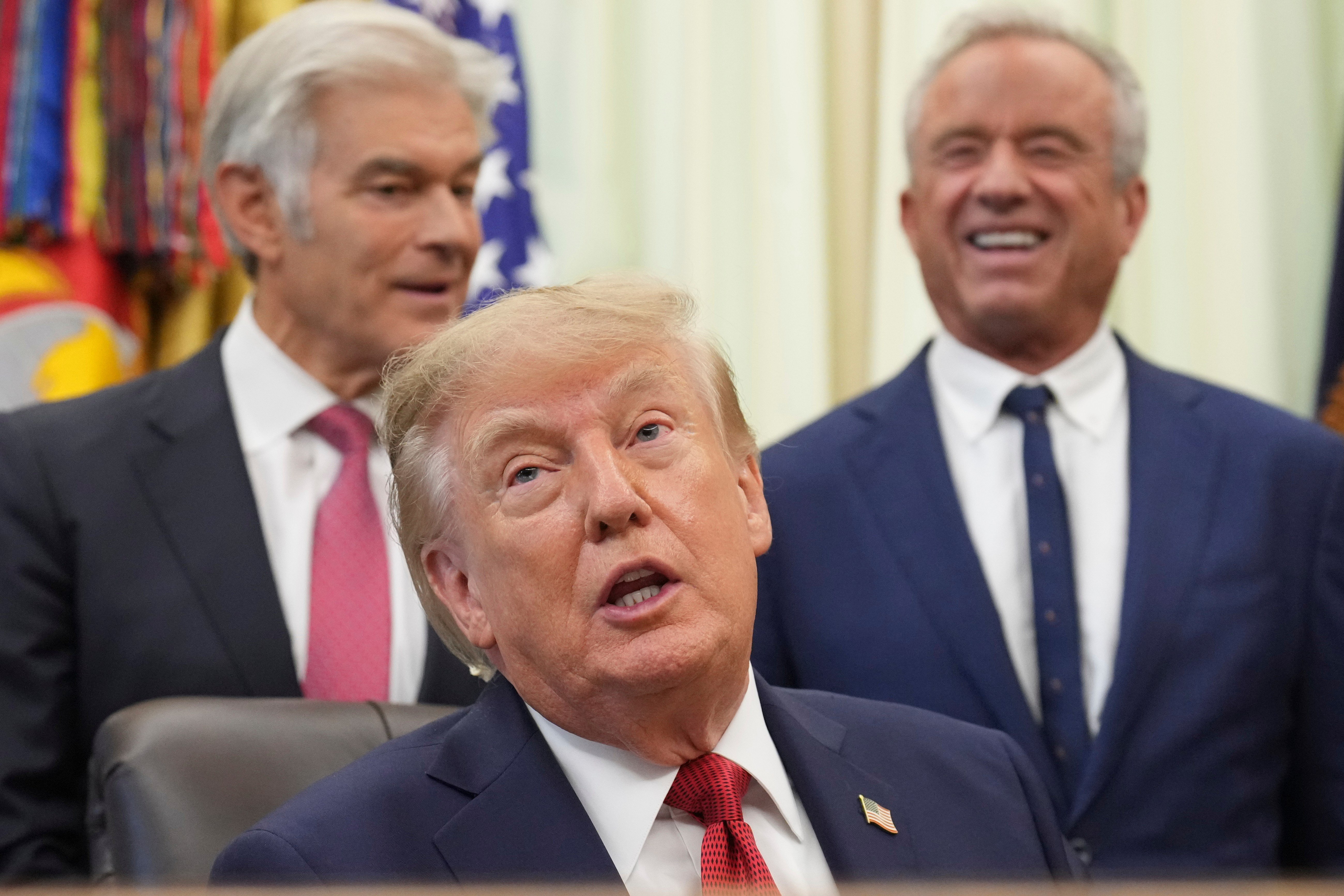
Earlier this month, Pennsylvania requested emergency support from the CDC's Epi-Aid program, but only if the federal agency publicly recognizes all five deaths. The CDC has so far only acknowledged two measles deaths nationwide in its official count, and its database does not specify where or when those deaths occurred. Since no other state has reported a measles death this year, the discrepancy is likely tied to Pennsylvania's cases.
The outbreak is the worst the state has seen in over three decades. Health officials note that all but four of the cases are among individuals who were not fully vaccinated against the virus. The MMR vaccine, which protects against measles, mumps, and rubella, is highly effective, with two doses providing 97% lifetime protection.
In response to the outbreak, vaccination rates have surged. The health department reported that in August, more than 49,000 MMR doses were administered, and in September, that number exceeded 53,000—a significant jump from the typical monthly average of 25,000 doses.
The political tension between Shapiro and Kennedy has intensified, with Shapiro accusing the federal government of undercounting the death toll and Kennedy alleging that the state is inflating its numbers. This clash has broader implications for public health trust and the federal-state relationship during health emergencies.
Meanwhile, the CDC continues to describe measles as a highly contagious virus, and the agency's refusal to match Pennsylvania's count has raised questions about the accuracy of national surveillance. The state's request for Epi-Aid assistance remains pending, with officials emphasizing the need for a unified federal response.
As the situation evolves, the outbreak has become a flashpoint in the ongoing debate over vaccine policy and government accountability. With nearly 1,000 cases, Pennsylvania's experience may serve as a cautionary tale for other states grappling with vaccine hesitancy and infectious disease control.