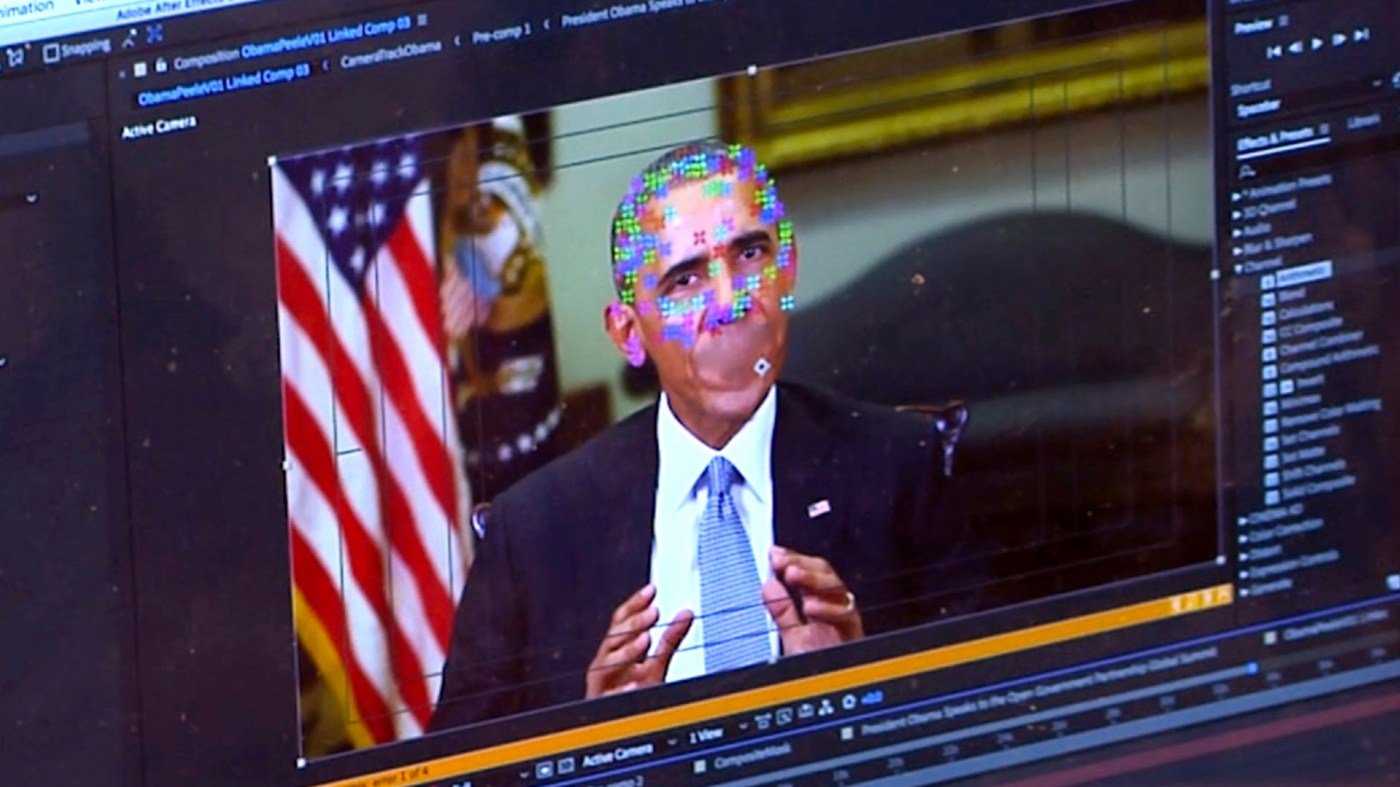
The rise of artificial intelligence has turned identity theft into a high-tech nightmare. Scammers can now clone a person's voice from just three seconds of audio, and convincingly fake video footage is increasingly within reach. This isn't just a hypothetical threat—it's already happening to everyday Americans.
Consider the case of Jennifer DeStefano, an Arizona mother who answered a call in 2023 to hear her 15-year-old daughter crying for help. A man then demanded a $1 million ransom, claiming he had kidnapped the girl. The call was a deepfake—an AI-generated imitation of her daughter's voice—and DeStefano later testified before a Senate Judiciary subcommittee about the ordeal. She described recognizing her daughter's cries and speech patterns, a chilling illustration of how technology can exploit our most trusted bonds.
Such scams are on the rise. The Federal Trade Commission reports that impostor scams cost Americans billions of dollars annually, nearly tripling since 2020. And as AI tools become more sophisticated, the problem is only expected to worsen. The U.S. Copyright Office, after a public comment period that drew over 10,000 responses, concluded that current laws are inadequate and recommended Congress create a federal right to protect individuals against unauthorized digital replicas.
The bipartisan NO FAKES Act, which unanimously cleared the Senate Judiciary Committee, aims to do just that. It would establish a federal intellectual property right for every American to control the use of their voice and visual likeness, making it illegal to distribute AI-generated duplicates without consent. This would cover not just celebrities but all citizens, protecting them from fraud, harassment, and the erosion of personal privacy.
“Your identity belongs to you,” says Nico Zviovich, an advisor to The Alliance for Secure AI and a film producer who launched the group's “Creatives for Secure AI” initiative to rally artists and performers behind the bill. “No one should have to worry that their face or voice can be copied, manipulated or used to deceive others.”
Creative professionals have been particularly vocal about the dangers. Musicians, voice actors, and other artists say AI developers are openly using their work without permission, effectively stealing their identities for profit. The Alliance for Secure AI, which Zviovich advises, has been pushing for legislation that gives individuals meaningful control over convincing copies of themselves.
The bill has drawn support from across the political spectrum, and its advocates describe it as a “no-brainer” that should appeal to Democrats, Republicans, and independents alike. But despite clearing committee, it has not yet been scheduled for a vote on the Senate floor. Advocacy groups have also urged Congress to act, and some lawmakers have faced legal threats over the use of AI deepfakes in campaigns.
“It's time for humans to speak out against the steal—and for Congress to listen,” Zviovich said. The stakes are high: as deepfake technology improves, the potential for misuse grows. Identity fraud is already a major concern in other contexts, and the NO FAKES Act is seen as a critical step toward closing the gap between what AI can do and what the law allows.
For now, the bill's fate rests with Senate leadership. Supporters are pressing for a floor vote, arguing that every day of delay leaves Americans vulnerable to increasingly convincing scams. As one advocate put it, “This is an 80-20 issue.” The question is whether Congress will act before the next deepfake horror story makes headlines.