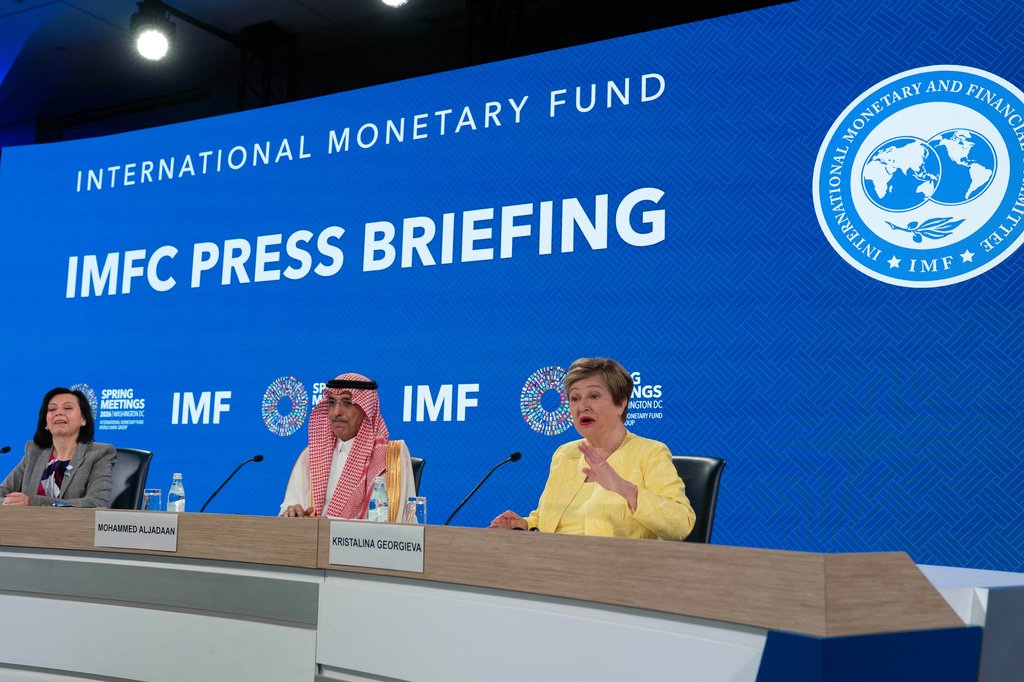
The U.S. Treasury Department is under mounting pressure to greenlight a new allocation of Special Drawing Rights (SDRs) at the International Monetary Fund, a move advocates say could help stave off a deepening global hunger crisis while also benefiting American households and farmers. With inflation squeezing budgets at home and abroad, the case for a fresh SDR issuance has gained urgency among policymakers and humanitarian groups.
For many Americans, the economic pain is immediate and personal. Skyrocketing prices at the pump and the grocery store have made everyday expenses a struggle, even as farmers in the heartland watch overseas demand for their crops dry up. Foreign nations that once bought U.S. soybeans, corn, and grain can no longer afford them, as currency devaluations and rising costs cut off trade routes.
“Families get sticker shock when they go to the gas station. More sticker shock waits for them when they drive to the grocery store,” said one observer familiar with the situation. The disconnect is stark: while prices climb for consumers, American farmers are left with unsold harvests.
Abroad, the picture is even grimmer. Across Africa, Asia, and Latin America, millions are being forced to choose between food, medicine, and school fees. The World Food Programme reports that more than 318 million people are currently experiencing acute hunger, a figure expected to rise as fertilizer shortages and high oil prices push transportation costs higher. Even before recent geopolitical shocks, including the Iran war and the closure of the Strait of Hormuz, food insecurity was widespread.
“I’ve seen too many times what this looks like firsthand,” said a source who has traveled extensively in affected regions. “Men and women working multiple jobs just to scrape cash together when their wages aren’t keeping up with rising prices. Transportation costs spiking. Imports of foodstuffs and other essentials decline because the local currency doesn’t buy as much as it did a year — or even a month — before.”
Proponents argue that a new SDR allocation — essentially a reserve asset that IMF member countries can exchange for hard currency — would provide a critical liquidity boost to struggling economies, enabling them to purchase food, medicine, and fuel. That, in turn, could revive demand for U.S. agricultural exports, creating jobs and stabilizing markets at home.
The push for Treasury action comes amid a broader political landscape where economic concerns dominate voter priorities. Meanwhile, other pressing issues, such as a record share of U.S. voters saying Washington overdoes support for Israel, and the legal fight over a Labor Department rule on union finances, continue to divide lawmakers. But the SDR debate cuts across party lines, with bipartisan support emerging for action that could ease global suffering and bolster American agriculture.
Critics warn that SDR allocations could fuel inflation or reward mismanaged economies, but backers counter that targeted, transparent use of the funds — coupled with IMF conditions — can mitigate those risks. The Treasury has yet to signal its position, but with the humanitarian toll mounting, the call for a new allocation is likely to grow louder.
The clock is ticking. As hunger spreads and trade disruptions worsen, the question is whether Washington will seize a relatively simple tool to help millions, both at home and around the world.