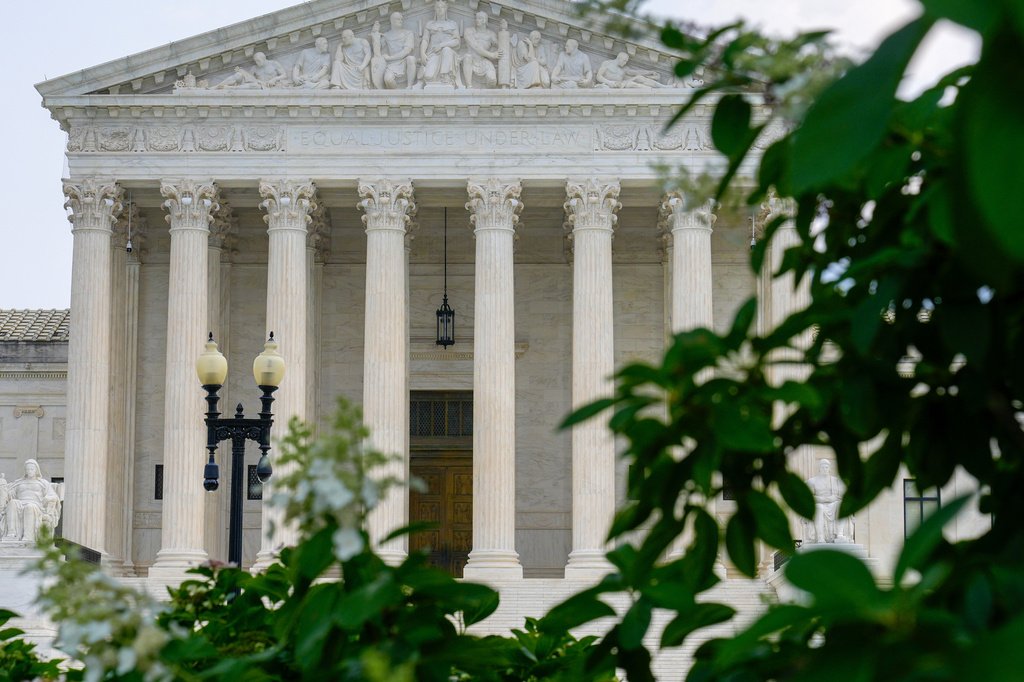
The Supreme Court's recent split decisions on presidential removal powers have thrown into sharp relief a fundamental tension in American governance: how to balance technocratic independence with democratic accountability. In Trump v. Slaughter, the Court affirmed that the president can fire the heads of independent agencies at will, citing the Constitution's vesting of executive power in the president. Yet, on the same day, the Court's ruling in Trump v. Cook protected Federal Reserve Governor Lisa Cook from removal, relying on a contested historical analogy and the perceived economic stakes of Fed independence.
Chief Justice John Roberts, writing for the majority in Cook, argued that insulating monetary policy from political manipulation is essential, warning of the “calamities that could arise from even the ‘suspicion’ of political manipulation of monetary policy.” Justice Brett Kavanaugh went further, cautioning that “even temporary uncertainty about the status of the Federal Reserve could spark political upheaval … as well as turmoil in the U.S. and world economies.”
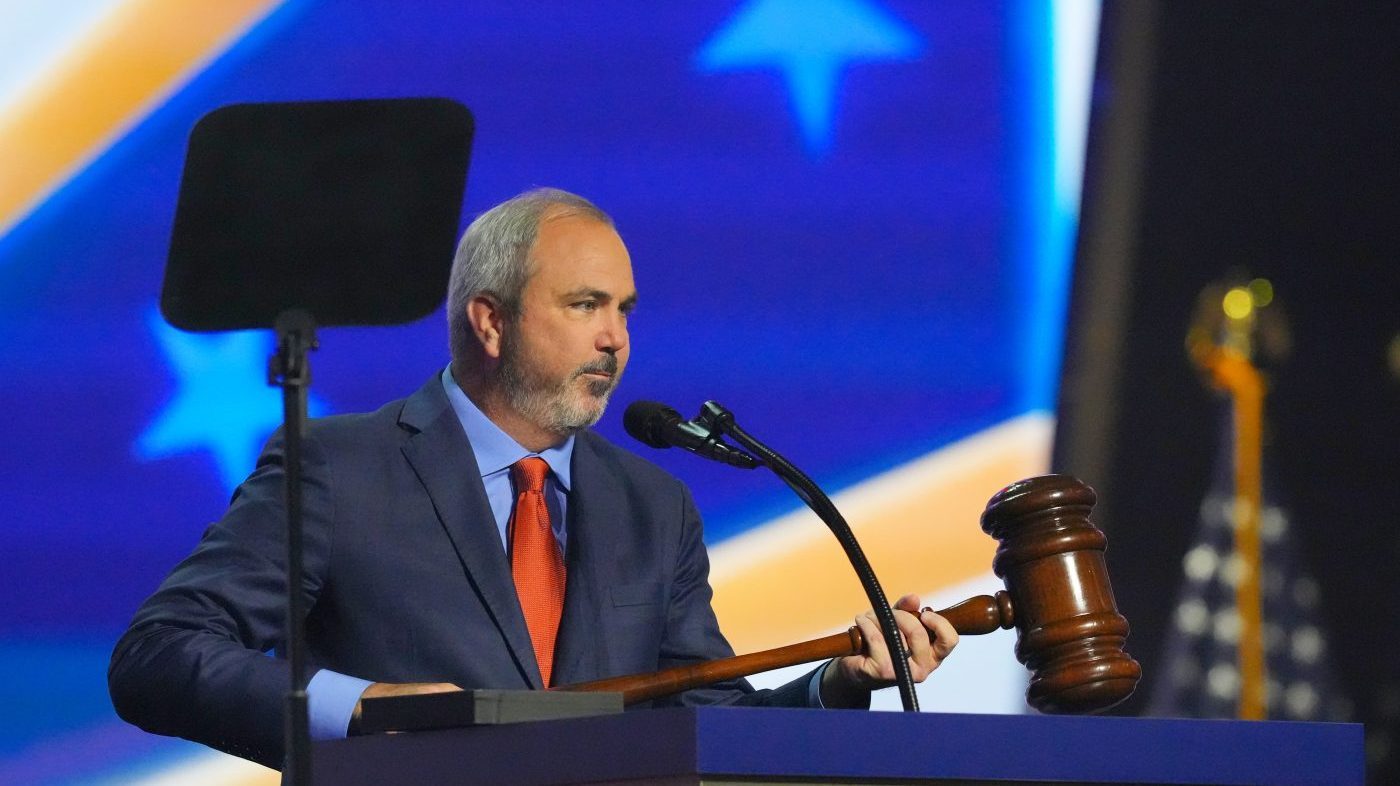
Paul Clement, representing Cook, stressed that markets and the public must have faith in the Fed's independence from both the president and Congress. He argued that the “ultimate imperative” is that rates are set for “prudent financial management,” not political pressure. The implicit assumption, critics say, is that elected politicians cannot be trusted with monetary policy—a view that resonates given current political realities.
But this insulation may come at a cost. As Molly Nixon, a senior fellow at the Cato Institute, argues in a new analysis, shielding major policymaking from democratic control may have weakened our incentives to demand serious political governance. When the levers that most affect everyday life—like the money supply—are outside politicians' direct reach, voters may prioritize spectacle over competence. Nixon suggests that elections for a job that explicitly included control over monetary policy might have produced very different outcomes.
The tension is not lost on the Court. While Slaughter took a step toward restoring presidential accountability over independent agencies, Cook effectively carves out an exception for the Fed. This inconsistency, Nixon contends, could blunt the impact of Slaughter, keeping the most salient economic decisions electorally protected. She warns that allowing Congress to delegate its power to independent bodies engenders a “political passivity that undermines the framework of self-government.”
Proponents of Fed independence point to the dangers of political interference. As Clement noted, “there’s a reason that the markets watch the Fed a little more closely than they watch really any other agency of government.” But Nixon counters that expertise should inform policy, not supplant the judgment of elected representatives. “Policymaking requires balancing inevitable trade-offs,” she writes, “and that balancing calls for judgment—informed by expertise, not supplanted by it.”
The broader question is whether the Court's decisions will reshape how voters view their leaders. If inflation and the economy remain top concerns, yet the Fed operates beyond political reach, voters may continue to elect candidates who offer little on economic stewardship. As Congress debates funding through December, the practical implications of these rulings are already being felt. The Court's recent stance on Congress's purse power underscores the ongoing struggle over institutional boundaries.
Nixon's critique is not an argument for abolishing the Fed's independence, but for a more honest reckoning with its consequences. “It’s not that we should forgo serious people in those roles,” she concludes, “but we deserve such officers throughout the rest of government, as well.” The Court's contradictory rulings leave that question unresolved, with profound implications for democratic accountability.