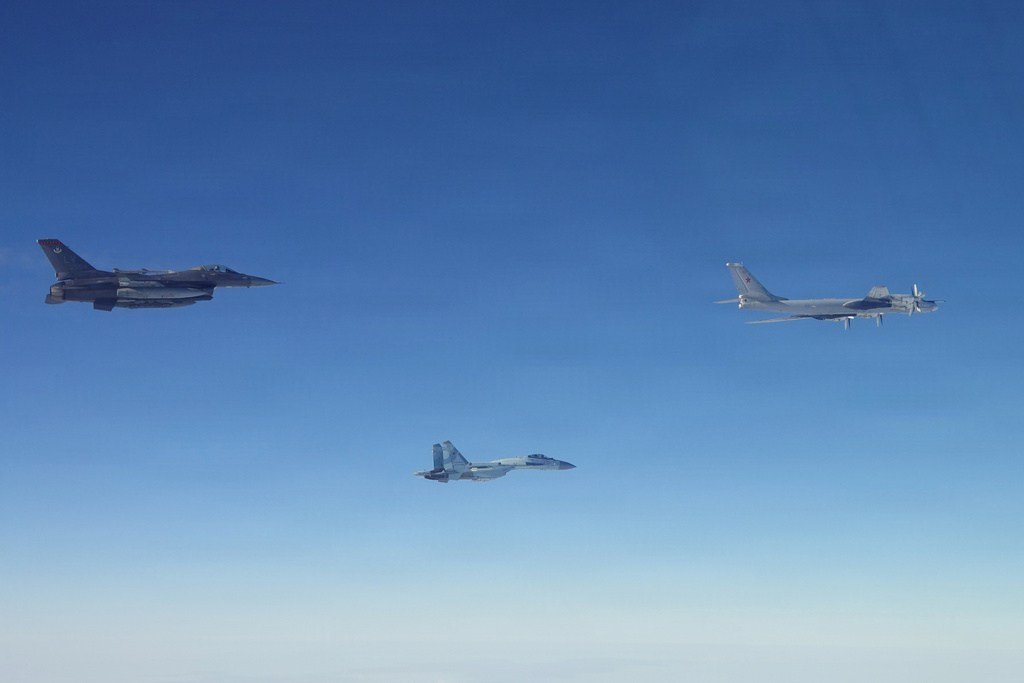
While the Air Force accelerates toward an autonomous future, manned fighters like the F-15, F-35, and the upcoming F-47 remain the backbone of airpower. That reality is backed by decades of history and the deterrence that only dominant airpower provides.
The pressing question is not whether to sustain that dominance, but how. Air Force Deputy Chief of Staff Lt. Gen. David H. Tabor argues the current approach to counting and funding the fighter fleet is fundamentally flawed, creating a gap between peacetime budgeting and actual combat readiness.

For years, the service has relied on a metric called Primary Mission Aircraft Inventory (PMAI) to size its fleet. That standard, mandated by Congress since 2017 with a minimum of 1,145 fighters, was built on modeling from the 1999 and 2001 Quadrennial Defense Reviews—a pre-9/11 world with different threats. PMAI measures only the aircraft the service can operate during routine training, excluding backup and attrition reserve jets. That leaves a stark divide between what is funded and what is truly needed for warfighting.
Tabor is pushing for a new standard: Combat Coded Total Aircraft Inventory (CCTAI). This metric would count the entire combat-coded fleet, including reserves that replace damaged, destroyed, or maintenance-bound jets. "Combat is unforgiving," he noted, pointing to the loss of four F-15s during Operation Epic Fury as a stark reminder that fleets can shrink rapidly in conflict.
To illustrate, Tabor used a sports analogy: PMAI is the starting lineup, but CCTAI is the full roster. A squadron might have 21 actual aircraft but only be manned and funded for 18. Critics see the extra three as idle, but they are essential shock absorbers for maintenance cycles and unexpected losses. Without that depth, a single depot-level repair or combat loss would degrade a squadron's ability to meet its mission.
Some lawmakers and analysts have accused the Air Force of using CCTAI to meet the 1,145 floor without buying more planes—a "bureaucratic bait-and-switch." Tabor disputes that, insisting the goal is honest accounting of combat capability. He also stresses that this is not a dismissal of uncrewed platforms like the Collaborative Combat Aircraft; the future requires both. The 2027 budget includes 62 additional fighters (38 F-35As and 24 F-15EXs) alongside 30 CCAs.
The Air Force is also calling for the minimum fleet size to be raised to match the new metric, and for requirements to be driven by the National Defense Strategy rather than a quarter-century-old threat assessment. Tabor warns that without this change, budget pressures and an aging fleet could force cuts to those essential reserve aircraft.
This debate comes as the Space Force's new uniform and lunar ambitions draw scrutiny, highlighting broader questions about military priorities and procurement. Meanwhile, US arms sales to Taiwan remain tied to global needs and production limits, underscoring the complex trade-offs in defense policy.
Ultimately, Tabor argues that adopting CCTAI is not about inflating numbers but about ensuring the Air Force can absorb the shocks of warfare. "Without built-in depth," he said, "a single aircraft requiring depot-level maintenance or lost to combat instantly degrades a squadron's frontline strength." The push is to codify this new mandate now, before false funding choices lead to a hollow force.