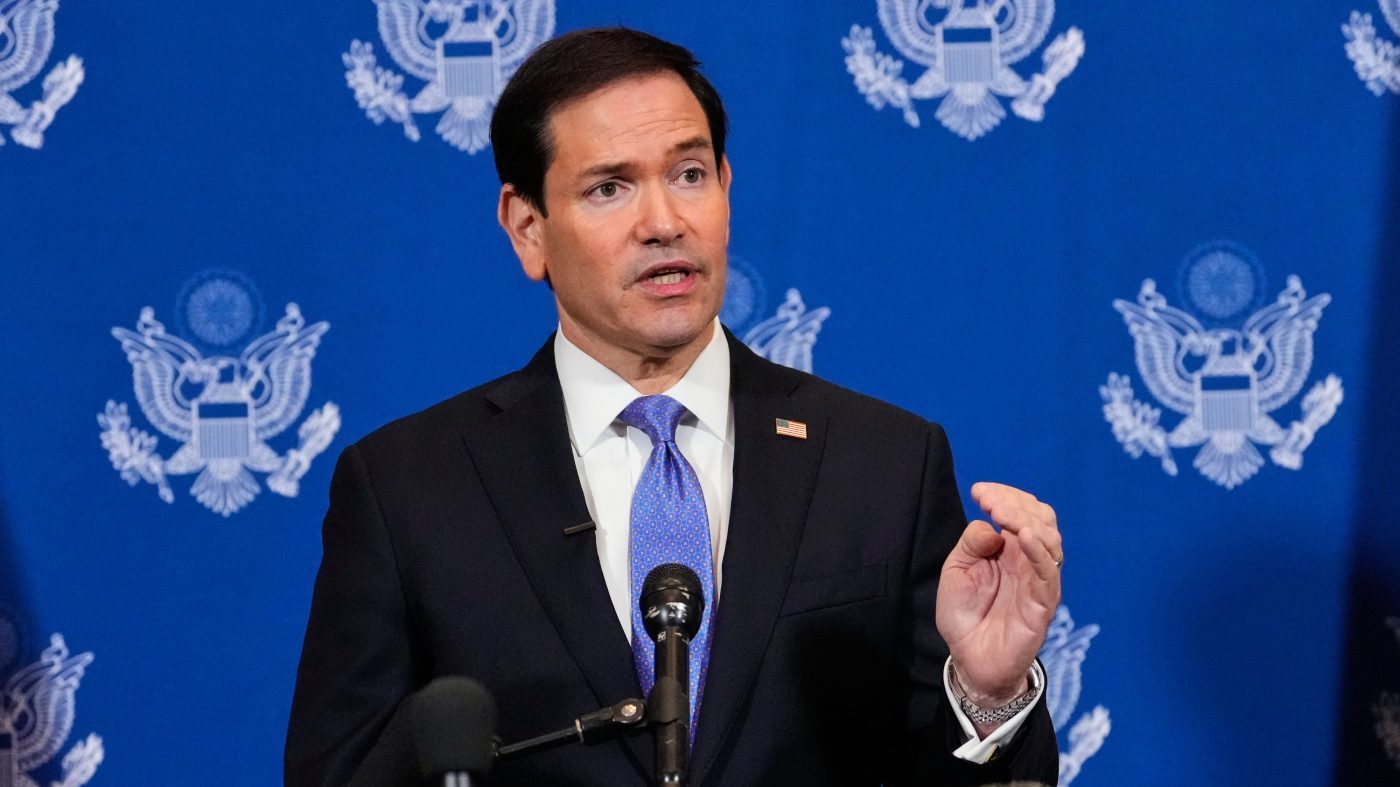
Secretary of State Marco Rubio said Wednesday that U.S. arms sales to Taiwan are partly limited by Washington's potential military needs elsewhere and the capacity of the domestic defense industry, pushing back against criticism that the administration is withholding support for Taipei.
Speaking to reporters at the UN General Assembly, Rubio, who also serves as President Trump's national security adviser, explained that arms sales are not evaluated in isolation. "People think … we view arm sales through the limited vacuum of the one particular place," he said. "A lot of this also involves balancing our industrial capacity and our military industrial base."

Rubio stressed that every transfer reduces U.S. stockpiles. "This is not about Taiwan in specific, but when we sell something, that means we don't have it anymore," he continued. "We can get it in the future, but we don't have it now." He added that any sale, to any country, is weighed against "our own needs in different parts of the world, and whether we can afford to sell something because we may need it for ourselves."
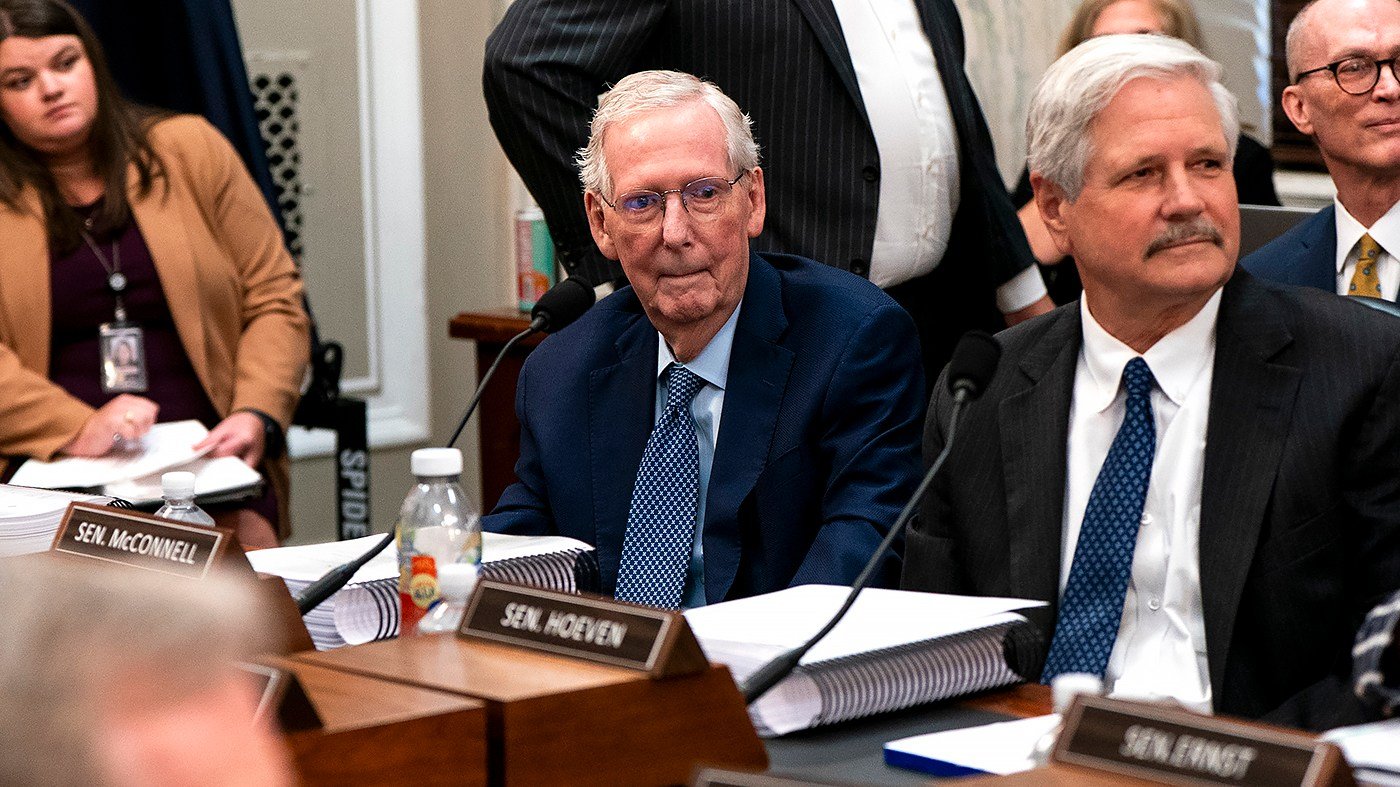
The remarks come as four Republican senators, led by Mitch McConnell of Kentucky, sent a letter to Rubio and Defense Secretary Pete Hegseth urging them to release billions of dollars in stalled security assistance for Taiwan. The letter, sent ahead of Trump's summit with Chinese President Xi Jinping, cites the State Department's decision not to obligate $300 million in foreign military financing, the Pentagon's failure to set aside $1 billion for the Taiwan Security Cooperation Initiative, and the administration's continued hold on $14 billion in foreign military sales.
The senators warned that failing to deliver these weapons undermines U.S. credibility in the Indo-Pacific. "It is difficult to imagine how the United States might credibly project influence in the Indo-Pacific if the price of keeping up diplomatic appearances is denying our partners key deterrent capabilities," they wrote.
Trump has previously characterized the $14 billion sale as a negotiating tool with Beijing, telling Fox News in May, "It's a very good negotiating chip for us, frankly. It's a lot of weapons." The sale, approved by Congress in January, requires formal transmission to Congress by the president before it can proceed.
Despite the hold, the administration approved an $11 billion arms package for Taiwan in December, including HIMARS rocket systems, Javelin antitank missiles, and howitzers. Rubio insisted the U.S. has "plenty" of munitions for potential conflicts with Iran, but noted that Washington is active globally.
"We have obligations in the Indo-Pacific. We have obligations increasingly in Southern Command. We have obligations and commitments to NATO and our partners there," he said. He added that any reduction in U.S. presence triggers concern among allies: "Any part of the world where you go and tell them there's going to be five less American soldiers and two less planes, everybody freaks out."
The debate over Taiwan arms sales is set against the backdrop of pressure on Trump to take a firmer stance ahead of his meeting with Xi. Rubio's comments also reflect broader diplomatic maneuvering at the UN, where the U.S. is balancing multiple security commitments.