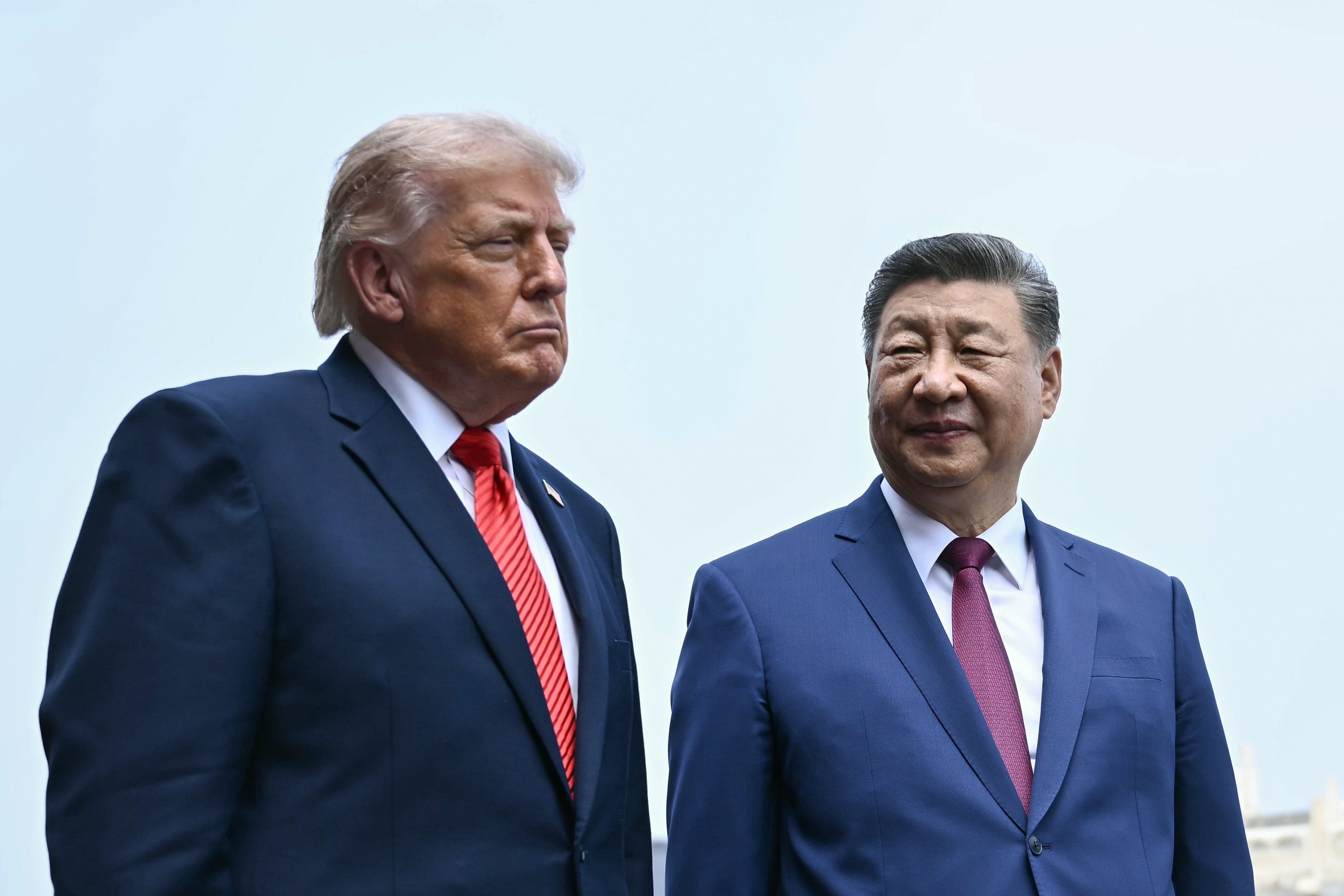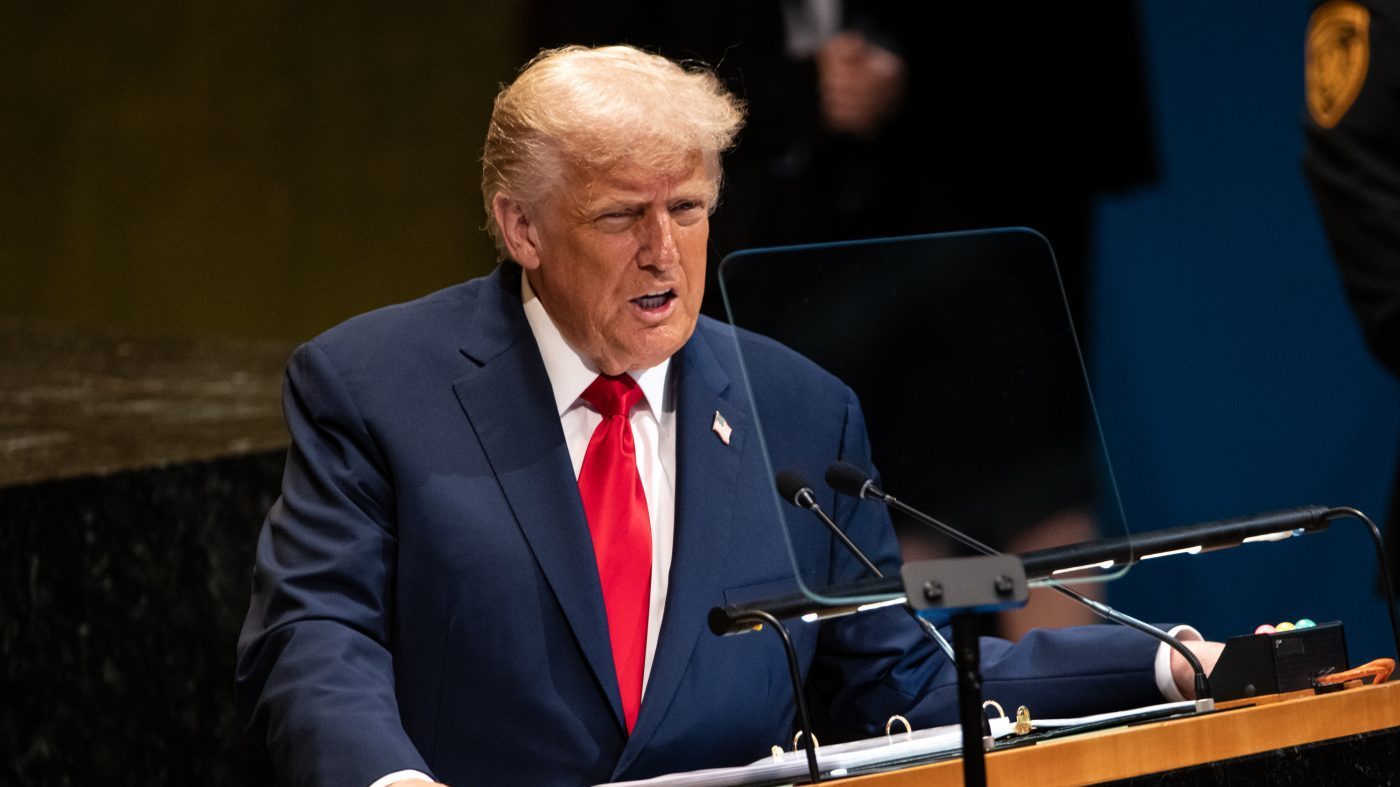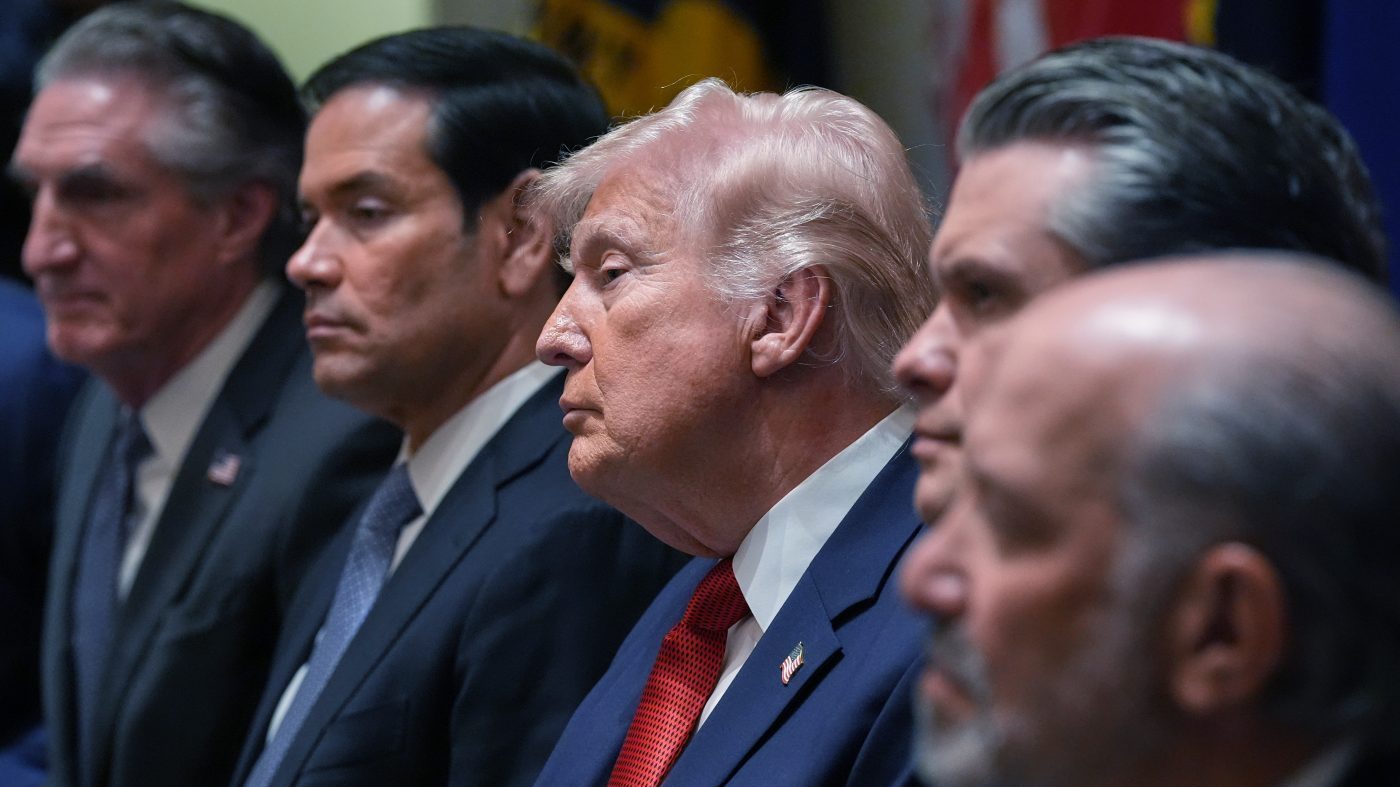
Secretary of State Marco Rubio said Tuesday that President Trump is willing to sit down with the Iranian delegation during his visit to New York for the United Nations General Assembly, though no formal meeting has been arranged.
In an interview with Fox News, Rubio, who also holds the title of national security adviser, framed the president's stance as pragmatic, noting that Trump sees no downside in talking with adversaries. "I think the president is open to a meeting with him [Iranian President Masoud Pezeshkian] or anybody," Rubio said.
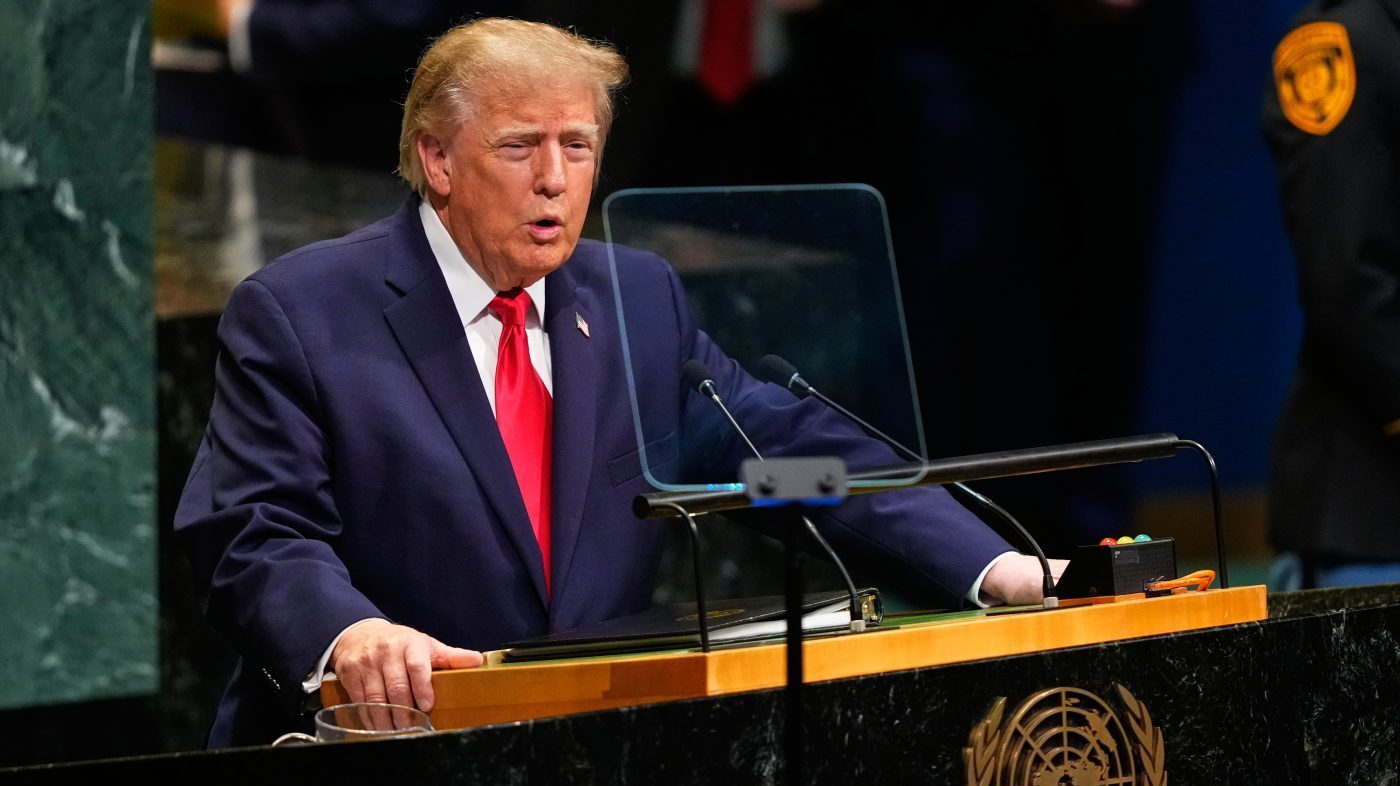
Iranian President Masoud Pezeshkian and Foreign Minister Abbas Araghchi are part of a core delegation that the State Department has granted visas to attend the summit. This comes amid an ongoing conflict between the U.S. and Iran that began on Feb. 28, when Washington and Jerusalem launched coordinated military action against Tehran.
Rubio, however, tempered expectations, pointing out that the ultimate authority in Iran rests with the supreme leader, a radical Shia cleric. "Whether something productive will come out of it, it's harder to tell," he said, adding that any engagement would only be worthwhile if it advances the core U.S. goal: ensuring Iran never acquires a nuclear weapon.
In a separate appearance on NBC's "Today," Rubio reiterated Trump's openness but confirmed that "I don't think anything is scheduled at this point." He stressed that a meeting would be meaningful only if it "has the prospects of leading to something positive" toward preventing a nuclear-armed Iran.
The diplomatic overture comes after negotiations stalled following the collapse of a memorandum of understanding that would have established a ceasefire and secured transit through the Strait of Hormuz. Military strikes resumed this month after a six-week lull, with Iran targeting oil tankers in the strait, U.S. bases, and allied assets. In response, the U.S. has enforced a blockade on Iranian oil exports and carried out strikes on military targets, though allegations of civilian casualties, including an attack on a wedding celebration, have surfaced.
Meanwhile, Iran-backed Houthi rebels in Yemen have disrupted energy shipments through the Red Sea, driving up global gas and diesel prices. Trump is scheduled to meet with Gulf Cooperation Council leaders on Tuesday to discuss the path forward in the conflict.
Rubio defended the administration's handling of energy costs, arguing that prices would be "double" if Iran had a nuclear weapon. "They would use that nuclear weapon to control the Straits of Hormuz forever," he said, warning that Tehran could "choke off the world's energy supply any time they wanted."
The administration has offered conflicting justifications for the war, at times claiming Iran was on the verge of building a bomb while also boasting that U.S. strikes in June 2025 had destroyed Tehran's nuclear program. Rubio initially said the U.S. joined Israel to preempt Iranian retaliation against American bases in the region. As the UNGA session unfolds, the prospect of direct talks remains uncertain, with Trump's UN appearance shadowed by multiple crises, including the ongoing war in Ukraine and domestic political battles.