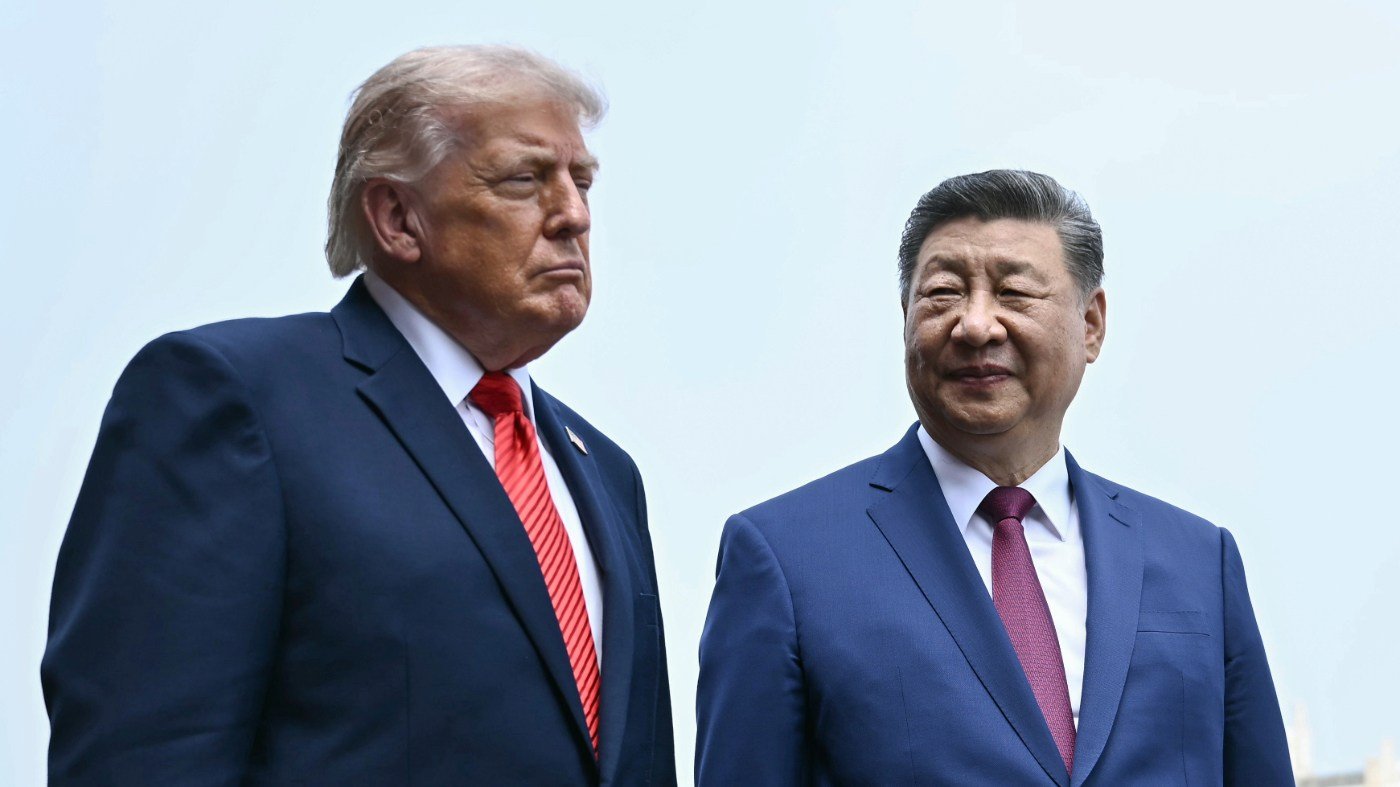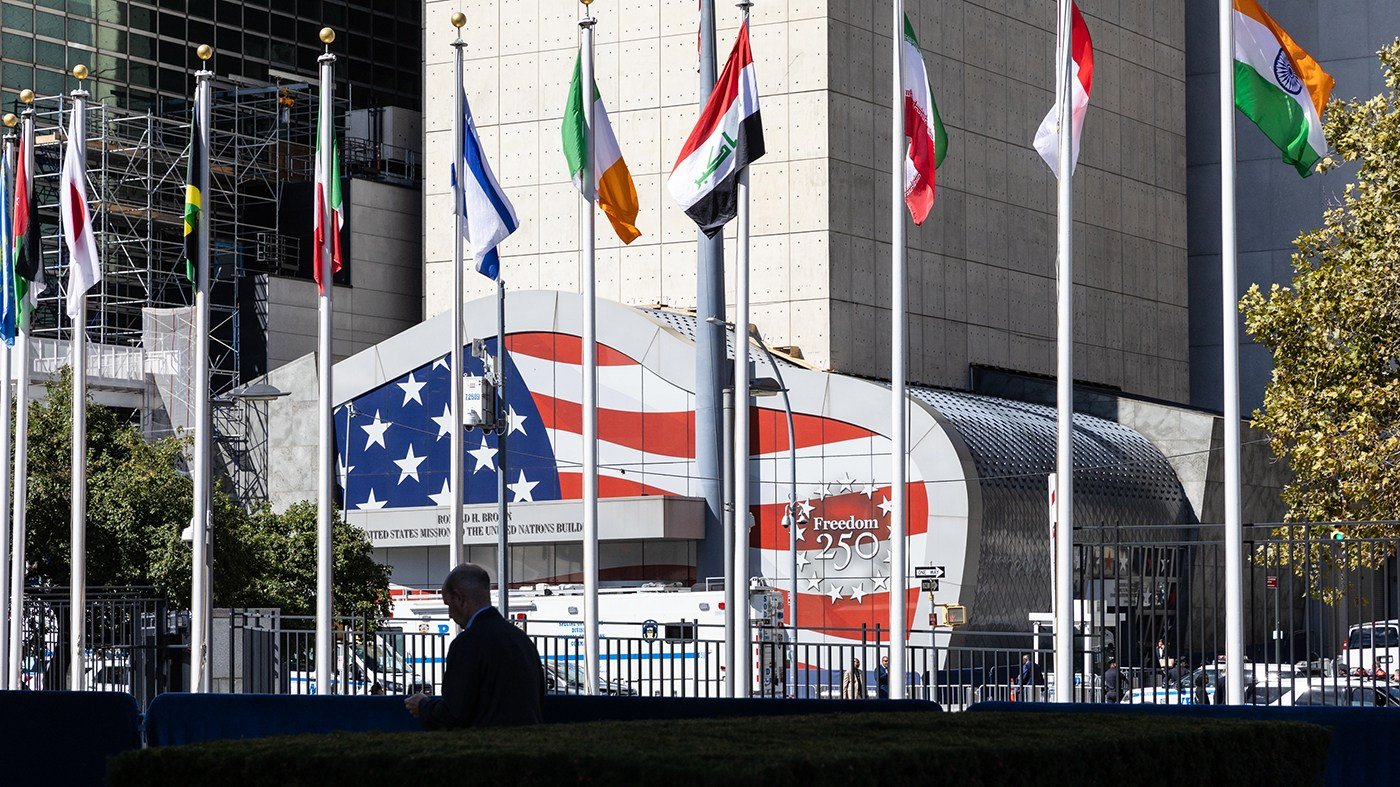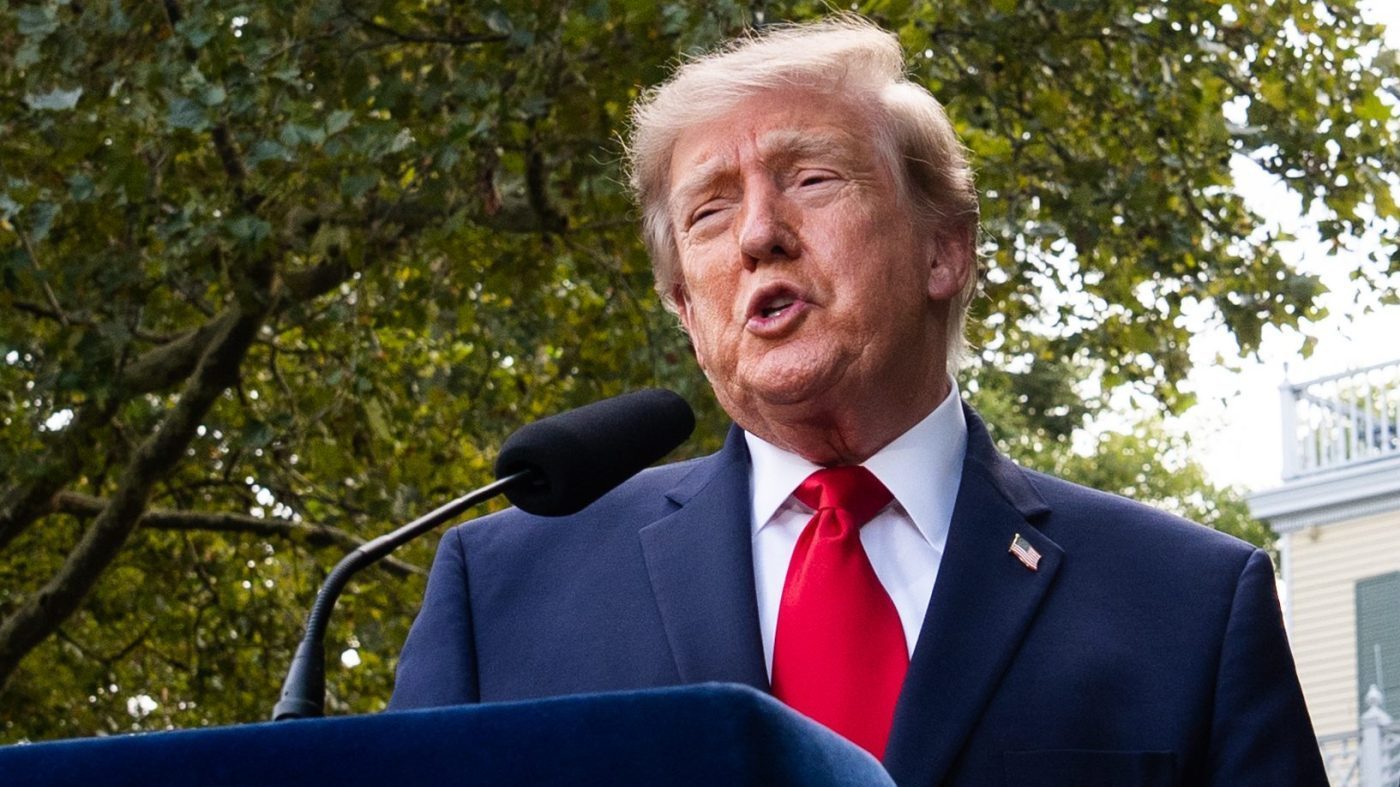
President Trump will step onto the world stage Tuesday to deliver his address to the United Nations General Assembly in New York City, with a backdrop of multiple international crises, surging global energy costs, and anxieties over the rapid advancement of artificial intelligence.
The speech comes as the Trump administration faces mounting criticism from media organizations and First Amendment advocates after the president barred three television networks from White House access. The controversy has intensified scrutiny of the administration's approach to the press, with critics warning of a chilling effect on news coverage. The White House Correspondents' Association has condemned the move, and former leaders of the group have warned that the ban endangers all newsrooms. In a related development, the administration recently launched its own streaming channel, Trump TV, after barring three news outlets.
On the diplomatic front, the president's schedule is packed with bilateral meetings on the sidelines of the General Assembly. He is expected to sit down with Ukrainian President Volodymyr Zelensky, U.K. Prime Minister Andy Burnham, Japanese Prime Minister Sanae Takaichi, and leaders from several Gulf states. The Iran conflict and Russia's war in Ukraine are anticipated to dominate discussions, as the administration seeks to navigate complex geopolitical flashpoints.
Following his remarks, Trump is slated to sign a security agreement with Greenland and Denmark that would establish a U.S. military presence on the Arctic island. The deal, which has been in the works for months, aims to counter Russian and Chinese influence in the region. While the agreement may ease tensions within NATO, it has left diplomatic scars among allies, according to analysts.
Trump's day will also include a policy meeting, a Shield of the Americas event, and a closed-door session with Venezuelan leader Delcy Rodríguez. The meeting with Rodríguez is likely to focus on migration and regional stability, as Venezuela continues to grapple with economic collapse and political unrest.
On Monday, the president met with New York City Mayor Zohran Mamdani at Gracie Mansion, where they discussed immigration, affordability, and policing. After the conversation, Trump praised the mayor, saying he has "great potential." The meeting drew attention from conservative allies, with activist Laura Loomer fuming over Trump's praise for Mamdani.
The president's UN address comes at a critical moment for his foreign policy agenda. With wars raging in Eastern Europe and the Middle East, and with energy prices threatening global economic stability, Trump's words will be closely watched by allies and adversaries alike. His administration has also faced questions about its readiness to handle the challenges posed by AI, with critics arguing that the U.S. is losing its edge to China. As Rep. Ro Khanna recently noted, Trump enters summits with no leverage on AI and manufacturing.
Domestically, the press ban continues to reverberate. The administration's decision to exclude certain networks from White House briefings has alarmed even some Republicans, who worry about the political fallout ahead of the midterms. As one GOP strategist put it, Trump's focus on monuments and press feuds alarms GOP.
For now, all eyes are on New York, where the president will attempt to project strength on the world stage while managing a growing list of controversies at home.