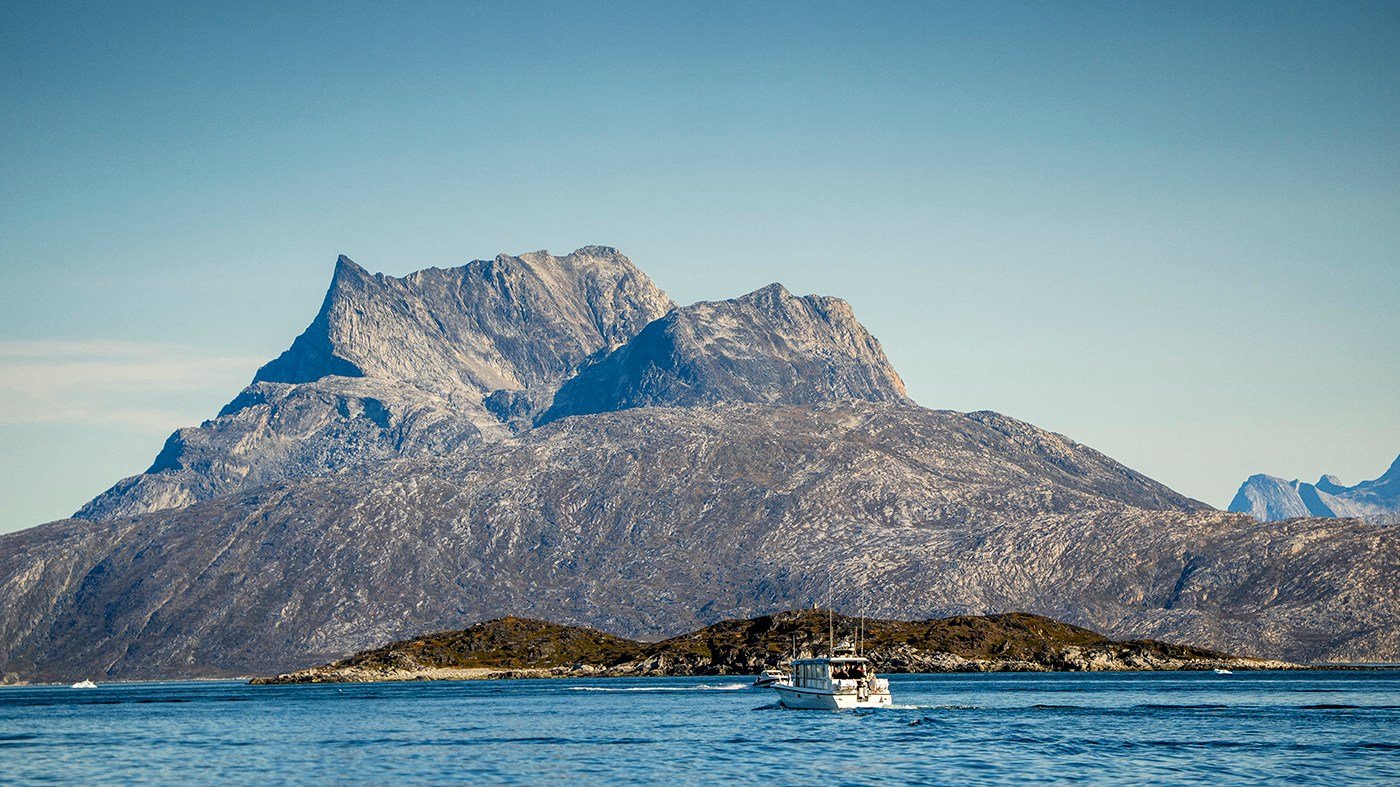
President Trump's announcement of a security agreement with Denmark and Greenland has provided a measure of relief to a NATO alliance rattled by his earlier demands to purchase the Arctic territory. The deal, details of which remain undisclosed, permits a permanent U.S. military presence on the island even if Greenland eventually becomes independent, and it bars Russia and China from investing in sensitive infrastructure or establishing military installations there.
Foreign policy analysts and commentators have characterized the core provisions as concessions Trump could have secured through ordinary diplomacy, without resorting to threats of annexation that strained relations with Copenhagen and alarmed NATO partners. The Wall Street Journal's editorial board noted on Sunday that while Greenland is strategically valuable, "it's fair to ask whether this deal could have been reached without the collateral damage to U.S. alliances from Mr. Trump's bullying threats." The board added that Washington "has nonetheless paid a diplomatic price that it didn't need to pay."
Mike Waltz, Trump's ambassador to the United Nations, promoted the agreement on social media, sharing the Journal editorial and writing, "Securing our Northern flank. Permanent U.S. basing rights in Greenland keep our homeland safe, deny adversary access, and reinforce American peace through strength leadership on the global stage."
Trump is scheduled to meet with Danish Prime Minister Mette Frederiksen and Greenland's Prime Minister Jens-Frederik Nielsen for a trilateral signing ceremony in New York on Tuesday. However, both Denmark and Greenland have stated that the agreement will enter into force "subject to the necessary national parliamentary procedures," leaving final ratification uncertain.
Latvian Foreign Minister Baiba Braže, whose country is a NATO ally, urged caution ahead of the signing. "Let's wait till the deal is signed," she told The Hill in a phone interview on Saturday, adding that she had not seen the terms but described the negotiations as "intense." She welcomed the process, saying, "that's how it works amongst the allies. If you have thoughts, if you have sort of proposals to be negotiated, that's how it's negotiated amongst the allies, and that's good."
Torrey Taussig, director of the Transatlantic Security Initiative at the Atlantic Council and a former National Security Council director for European affairs, said the outcome demonstrated how European partners worked behind the scenes to lower the temperature of Trump's heated rhetoric by pursuing compromise. But she cautioned that the deal is "unlikely to quiet concerns European allies have over America's broader commitment to the Alliance."
Those concerns were only reinforced by Trump supporters who celebrated the agreement as fulfilling the president's desire to own the island. Katie Miller, a podcast host and wife of Deputy Chief of Staff Stephen Miller, posted a map of Greenland covered with an American flag and the caption "ITS HAPPENING" on social media. Readers added context to the post, clarifying that the agreement only expands U.S. military basing rights and that "Greenland remains an autonomous Danish territory."
Alex Gray, who served as chief of staff of the National Security Council during Trump's first term, argued in a Sunday Wall Street Journal op-ed that the deal improves the U.S. security position in the High North and resolves Washington's concerns about restricting foreign investment in sensitive economic sectors. He noted that the "right of denial" is a key feature in the Compacts of Free Association the U.S. maintains with Micronesia, Palau, and the Marshall Islands, which have been discussed as a possible model for Greenland. "Under Mr. Trump's deal, the U.S. will, in consultation with Denmark, enjoy a version of this diplomatic tool in sensitive areas," Gray wrote. "Given rising Chinese and Russian interest in the Arctic, such a guarantee of consultation on adversary involvement in Greenland is essential."
The U.S. military currently stations around 150 service members at Pituffik Space Base on Greenland's northwest coast, according to a U.S. Space Force spokesperson. The facility, operated by the Space Force, supports missile defense, missile warning, and space surveillance missions. Trump has said the U.S. will quickly expand its military footprint on the island.
Michael McFaul, a former U.S. ambassador to Russia and prominent Trump critic, dismissed the deal as "a slight tweak to what's been in place for decades" in a social media post on Sunday. He called the ban on Chinese and Russian bases "not new," arguing that Denmark would never allow such installations regardless of U.S. involvement. "Maybe the agreement gives the US new authorities — we will have to wait and see when it's published — but that could have been negotiated earlier without threatening to invade and annex Greenland," McFaul wrote. "Denmark has been our loyal democratic ally for a long time."
The episode has also highlighted the administration's combative approach to the press, with recent controversies including a White House press ban and a related network boycott that have drawn criticism from journalism advocates. As the Greenland agreement moves toward signing, its ultimate impact on NATO cohesion and U.S. Arctic strategy remains to be seen.