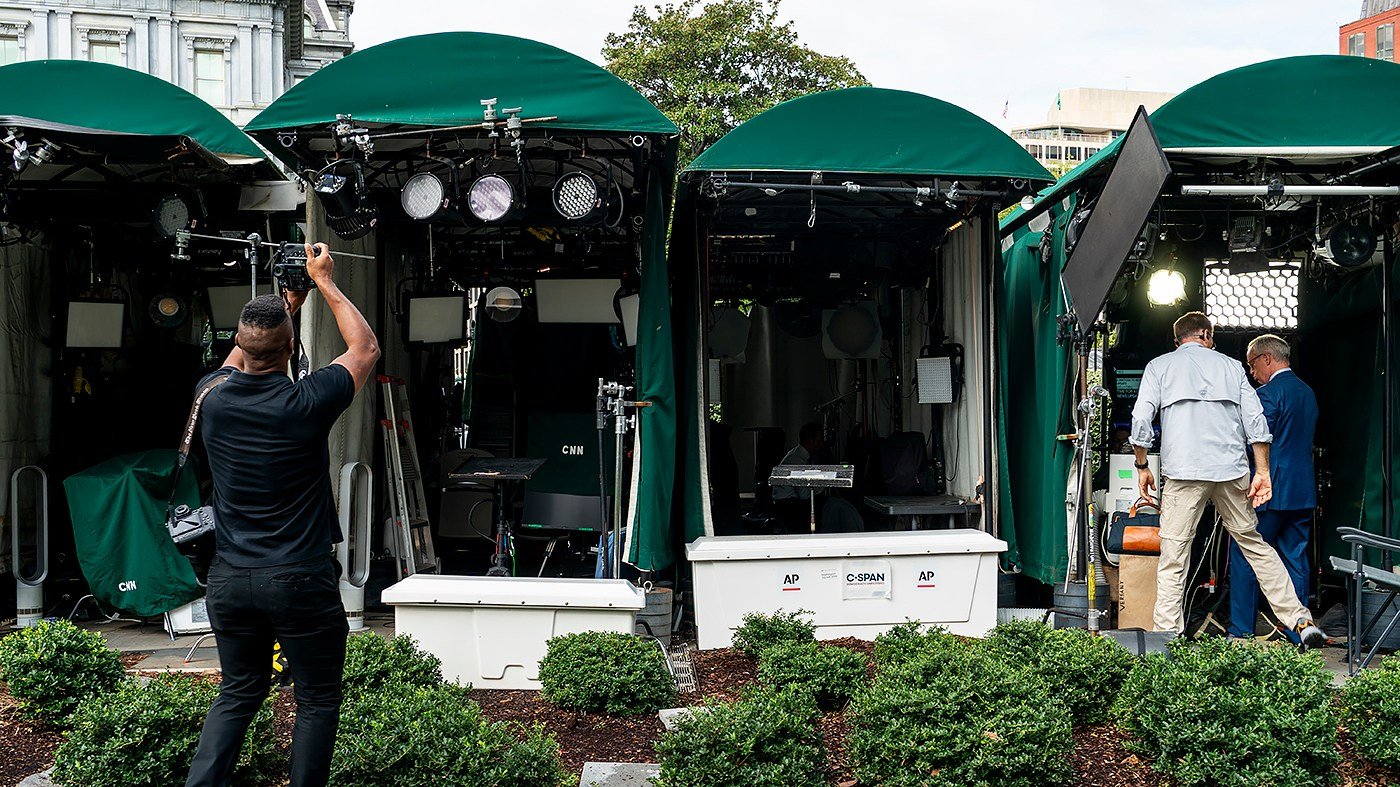
President Trump's abrupt decision to revoke White House press credentials for CNN, MS Now, and Politico has provoked an extraordinary response: major television networks, including Fox News, ABC, CBS, NBC, and CNN, have announced they will not cover the president's daily activities while the ban remains in effect. The move, announced via Trump's Truth Social platform on Friday, has escalated into a legal and political confrontation that threatens to overshadow the administration's agenda.
The White House has shown no intention of reversing course, while the three targeted outlets filed a lawsuit on Monday arguing that the ban is a "direct assault on the First Amendment" and a blatant violation of constitutional principles. Legal experts widely expect the outlets to win a temporary injunction in court this week, allowing their journalists back onto White House grounds.
This episode marks one of the most severe clashes between the president and the press during his tenure. The ban has drawn criticism not only from Democrats and media advocacy groups but also from some of Trump's own supporters and allies. Sean Spicer, Trump's first press secretary, told The Hill that while he shares the president's concerns about media bias, "there's more effective ways to do this," adding that the timing undercut a major announcement on prescription drug affordability.
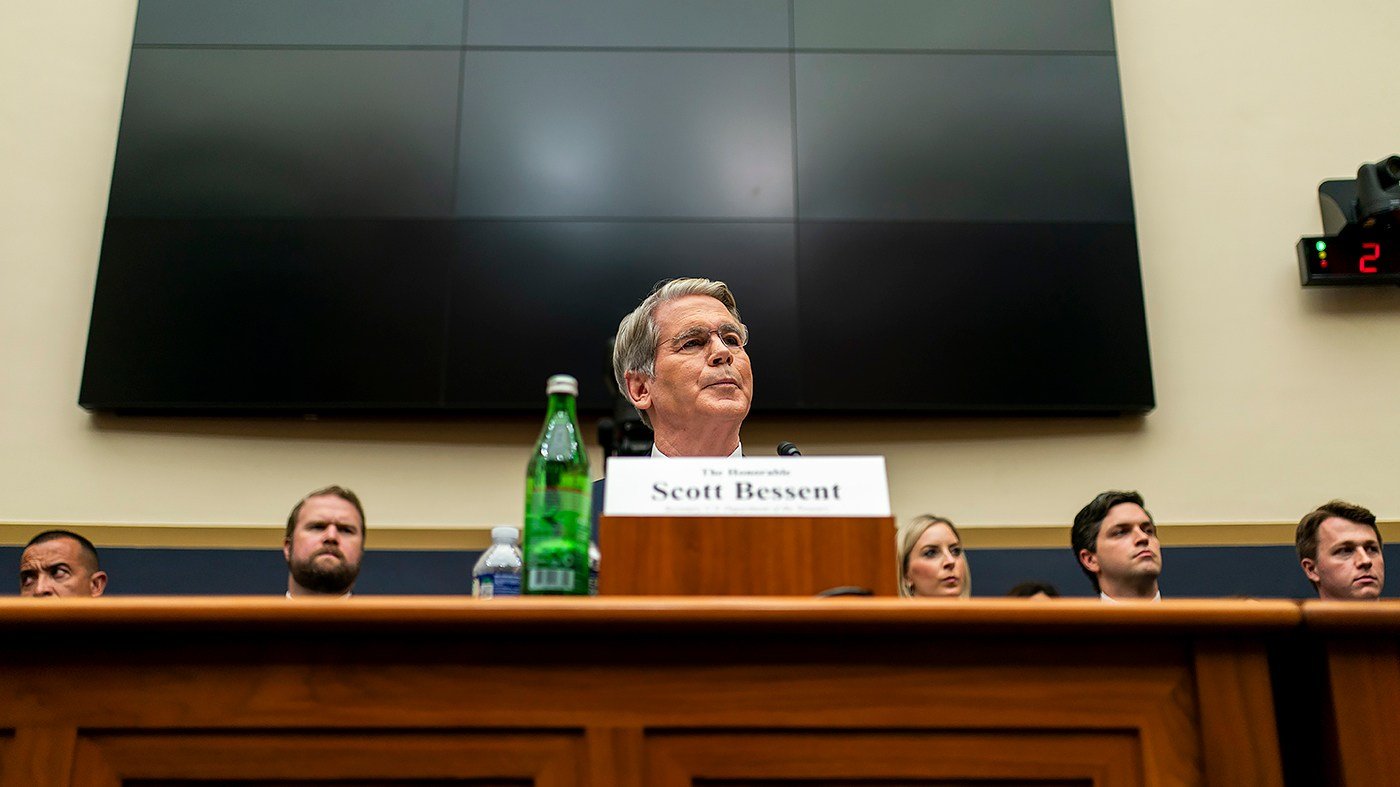
The decision caught many White House staff off guard, with Chief of Staff Susie Wiles reportedly absent and aide Natalie Harp having shown the president critical coverage from the targeted outlets. The White House Correspondents Association and press freedom groups condemned the move, and even conservative commentators like CNBC's Joe Kernen and Fox News's Brit Hume voiced concerns. Kernen pressed Treasury Secretary Scott Bessent, saying, "You can't control the press," while Hume predicted the ban would not lead to more favorable coverage.
In a rare show of solidarity, the White House TV pool—a rotating group of networks responsible for covering presidential activities—announced Monday that it would not participate during the ban. Hours later, the networks issued a joint statement emphasizing the public's vital interest in independent information and asserting that no administration should restrict news organizations based on objections to their reporting.
Political analysts view the standoff as a deliberate distraction from issues like the Iran conflict and economic concerns that have weighed on Trump's approval ratings ahead of the midterms, where Republicans risk losing their congressional majorities. The absence of a press secretary, following Karoline Leavitt's resignation, has compounded the situation, with one Republican strategist noting that Trump is acting unilaterally against outlets he dislikes and needs to fill the role urgently.
The lawsuit, seeking a temporary injunction, is scheduled for a hearing on Wednesday afternoon. Seth Stern of the Freedom of the Press Foundation expressed confidence in the legal case but worried about enforcement: "A court can say whatever it wants but are journalists going to push past Secret Service to film at the White House?"
Trump has defended his action, insisting he is not assaulting the free press but rather targeting "FAKE NEWS," which he calls a threat to national security. A White House official echoed that sentiment, stating that "the Fake News has no place demanding a spot in the President's Oval Office" and suggesting the outlets can report from outside. However, the standoff has created a tense atmosphere and raised questions about the future of press access. Related coverage: legal challenges to the ban and Vice President Vance's support.