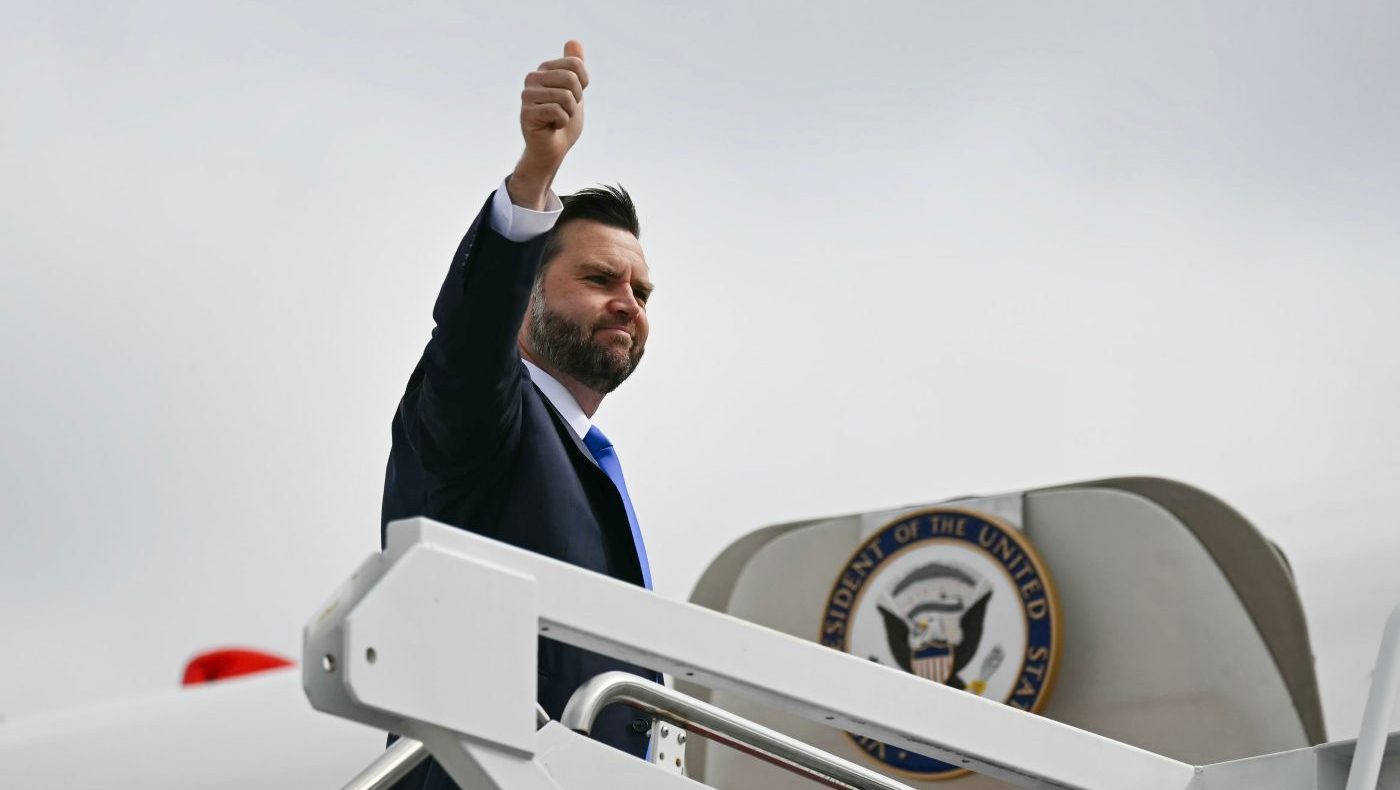
Vice President Vance, who has often styled himself as a defender of free expression, on Monday endorsed President Trump's decision to bar three major news organizations from White House premises, describing the move as "totally appropriate."
Speaking to reporters at Joint Base Andrews before a trip to North Carolina, Vance argued that the administration is not prohibiting the outlets from covering the White House, but rather withdrawing the "special access" that comes with permanent credentials. "He's not banning media outlets," Vance said. "What he's doing is saying 'we're not going to give you special access to the White House if you engage in what is effectively propaganda.'"
Vance further contended that the three outlets—CNN, MSNBC, and Politico—have become vehicles for "far left propaganda," and questioned why a Republican White House should facilitate their work. "If you're going to engage in what is effectively far left propaganda, why would a Republican White House give you special access?" he asked.
The remarks come as the three news organizations filed a joint lawsuit against the administration on Monday, challenging the revocation of their press credentials. In a statement, they said the White House acted "without notice or process" and that the move "threatens press freedom and the public's right to independent journalism free from government interference." They also invoked the First Amendment, asserting that the government cannot decide what the press reports or publishes.
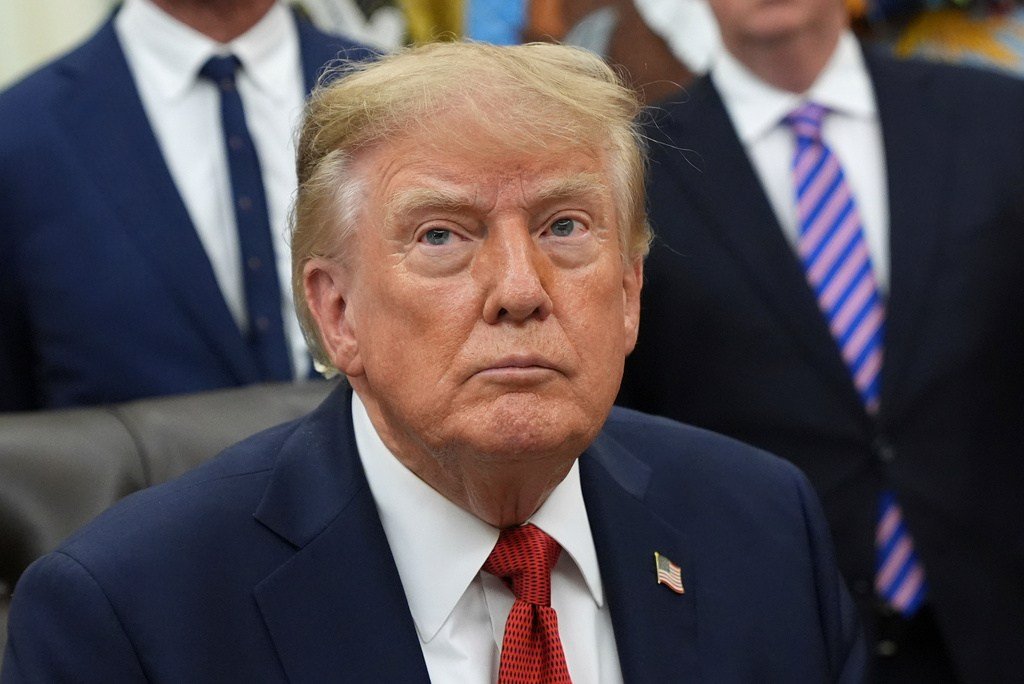
President Trump, in a post on Truth Social, denied that the action constitutes an assault on press freedom, instead framing it as a strike against "FAKE NEWS." Vance echoed that sentiment when pressed on whether the ban undermines free speech, noting that the outlets "could still report on the Trump White House" and retain access to public reports and administration officials. "They can still, of course, talk to people inside the administration and outside of the administration," he added.
Vance also drew a comparison to the treatment of conservative outlet Breitbart during the Obama and Biden administrations, claiming that Politico's coverage is as "anti-Trump as Breitbart was anti-Obama or anti-Biden." He argued that no one expected those Democratic administrations to grant Breitbart special access, and therefore it is only fair that a Republican White House withhold such access from outlets that are overtly hostile. "Why on God's green earth would Donald Trump be expected to give Politico special access when nobody in the media expected the Biden administration or the Obama administration to give Breitbart special access?" Vance said.
However, the comparison is not entirely accurate. Breitbart has historically complained about not receiving regular turns in the White House press pool—a rotation managed by the White House Correspondents Association—but the outlet was never barred from the White House complex during the Obama or Biden years. The current ban, which revokes credentials entirely, is a more severe step.
Vance concluded that the administration's action is about "basic fairness," insisting that the outlets are still free to report and exercise their speech rights, but will no longer enjoy the privilege of a workspace inside the White House. "They're just not going to get an office in the White House anymore, and I think it's totally appropriate, unless of course, they start to behave like real news organizations," he said.
The lawsuit, which names the administration as defendant, is likely to escalate the ongoing confrontation between the White House and the press. Legal experts note that while the White House has broad discretion over access, the sudden revocation without due process may raise constitutional concerns. The case could set a precedent for how administrations treat journalists they dislike, and it comes amid broader debates over press freedom and government transparency. For more on the legal and political fallout, see our coverage of the press ban lawsuits and Trump's UN appearance, as well as the administration's rejection of press assault claims.