President Donald Trump on Monday stood by his decision to revoke press credentials for journalists from CNN, Politico, and MS Now, even as the three outlets announced plans to file suit against the administration. The ban, announced Friday, took effect over the weekend when reporters from those organizations were turned away from the White House complex and had their credentials confiscated.
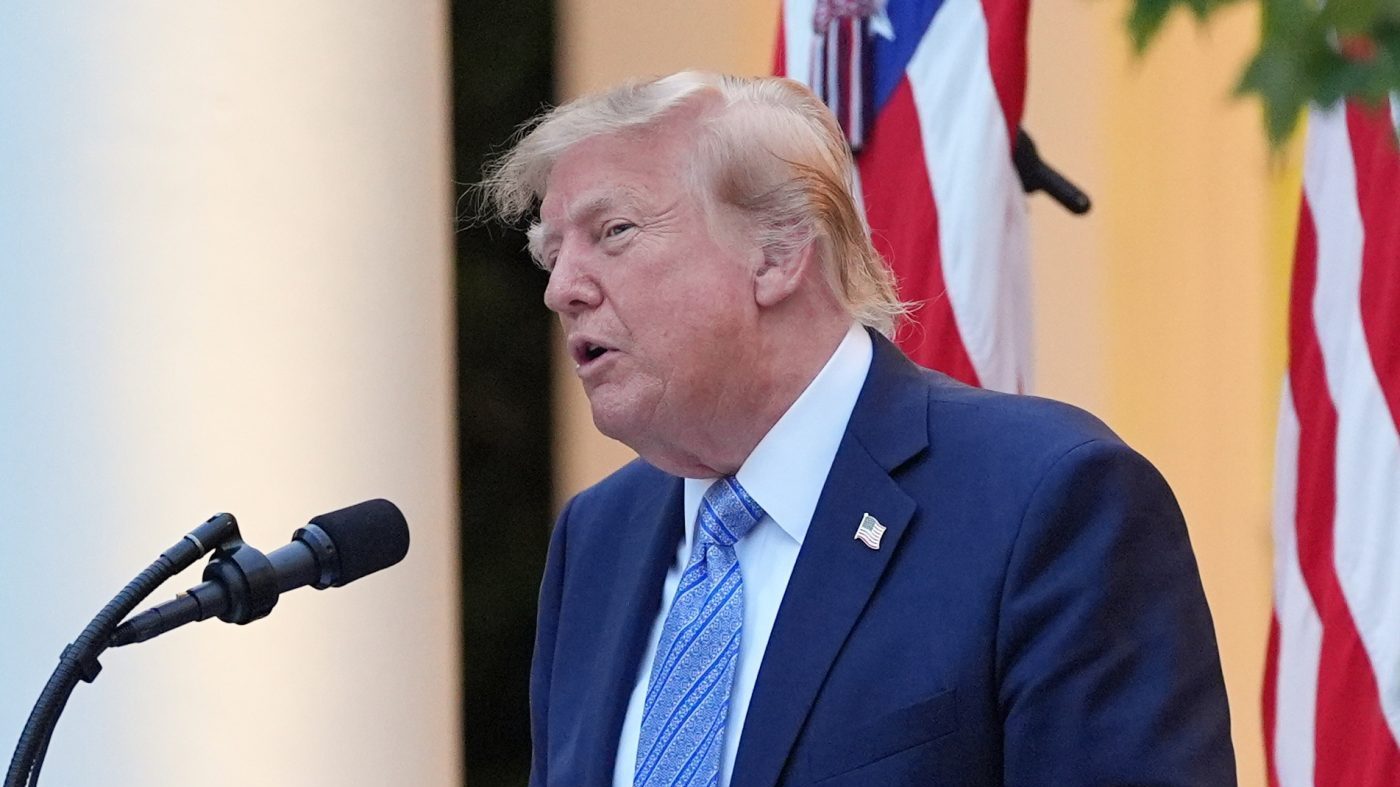
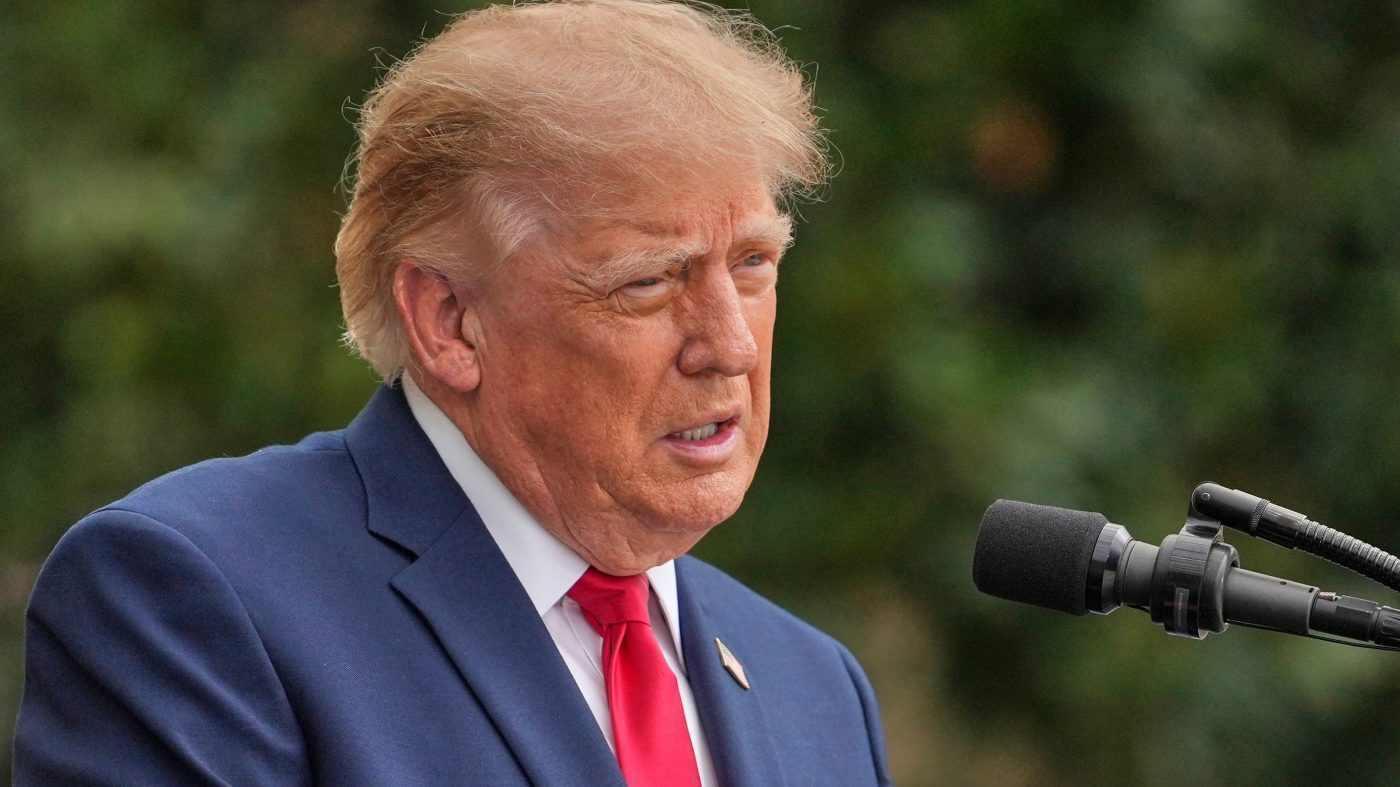
Speaking to reporters before departing for New York, Trump characterized the outlets as “enemies of the people” and accused them of publishing “fake news.” He insisted the move was necessary to ensure “fair and honest coverage.” The legal challenge, expected to be filed as early as Tuesday, argues that the ban violates the First Amendment and the due process rights of the journalists involved.
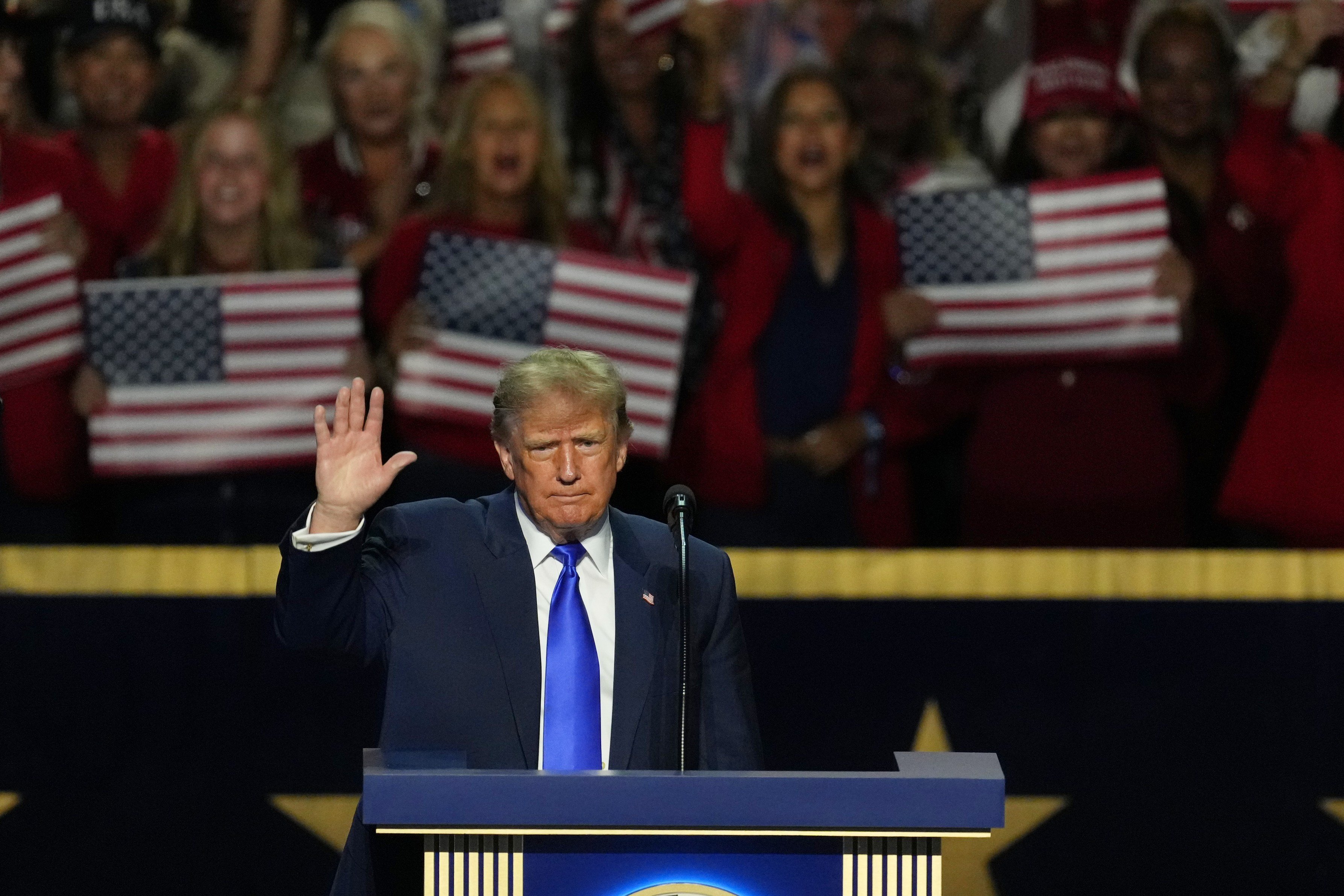
The controversy comes as Trump prepares to address the United Nations General Assembly, where nearly 130 heads of state are gathering. The agenda is dominated by the ongoing Middle East conflict, the Russia-Ukraine war, and rising concerns over artificial intelligence. Notably, Chinese President Xi Jinping will not attend the assembly but is scheduled to meet with Trump in Washington on Thursday for separate bilateral talks, with AI safety tensions looming over the summit.
On the sidelines of the UNGA, Trump is set to hold a rare bipartisan meeting with New York City Mayor Zohran Mamdani, a Democrat. According to a statement from Mamdani’s press office, the conversation will focus on “issues affecting New York City and New Yorkers.” The meeting, which takes place at Gracie Mansion, is seen as an opportunity for the president to engage with a key Democratic leader on urban policy, though no major agreements are expected.
Trump will also meet with French President Emmanuel Macron later Monday. The two leaders are expected to discuss transatlantic security, the situation in Ukraine, and potential trade disputes. Macron has been a vocal advocate for European strategic autonomy, a stance that has occasionally put him at odds with the Trump administration.
The press ban has drawn sharp criticism from press freedom advocates and some lawmakers. National security adviser Mike Waltz, however, defended the move, calling the excluded outlets “bad-faith actors” who have consistently misrepresented administration policies. Waltz argued that the White House has the right to control access to its premises, a position that legal experts say is likely to be tested in court.
Meanwhile, the president’s schedule remains packed with high-stakes diplomacy. In addition to the UNGA, Trump has been engaged in a series of controversial moves, including threats related to Iran and the deployment of military upgrades to the D.C. Triumphal Arch, a project that has drawn scrutiny over its cost and symbolism. The arch, now equipped with drones and snipers, is part of an expanded security perimeter around the White House.
As the legal battle over press access unfolds, the administration shows no signs of backing down. White House press secretary Karoline Leavitt reiterated that the ban is “permanent” unless the outlets change their editorial policies. The outlets, for their part, have vowed to fight the ban, setting the stage for a constitutional clash that could redefine the relationship between the presidency and the press.