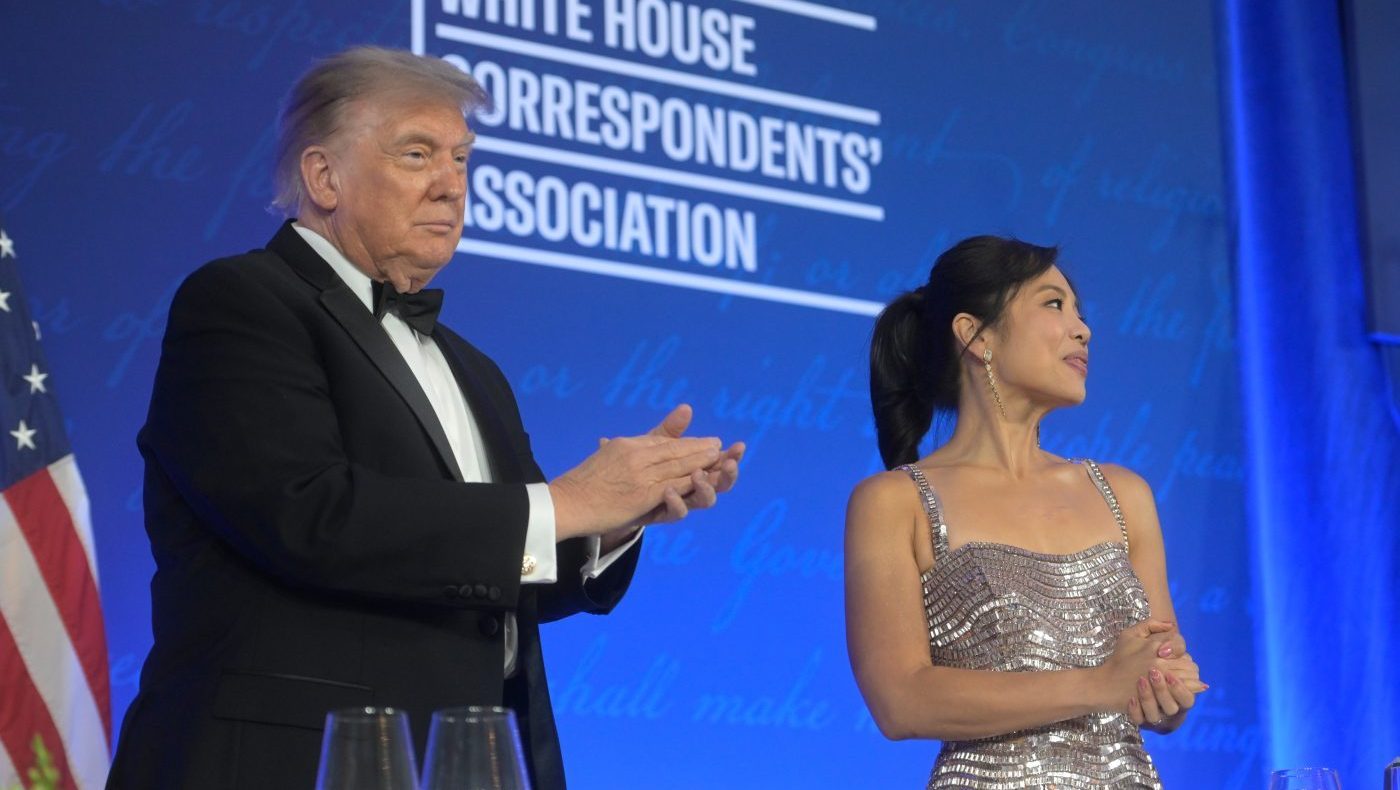
Former White House Correspondents Association (WHCA) president Weijia Jiang on Sunday condemned President Trump's decision to bar reporters from CNN, Politico, and MSNBC from White House grounds, calling it an assault on press freedom that endangers the public's right to know.
"This is not a tantrum by three media outlets who are upset because they can't get into the White House or the Oval Office," Jiang, now CBS News' senior White House correspondent, told Fox News' Jacqui Heinrich on "Fox News Sunday." Heinrich currently serves as WHCA president.
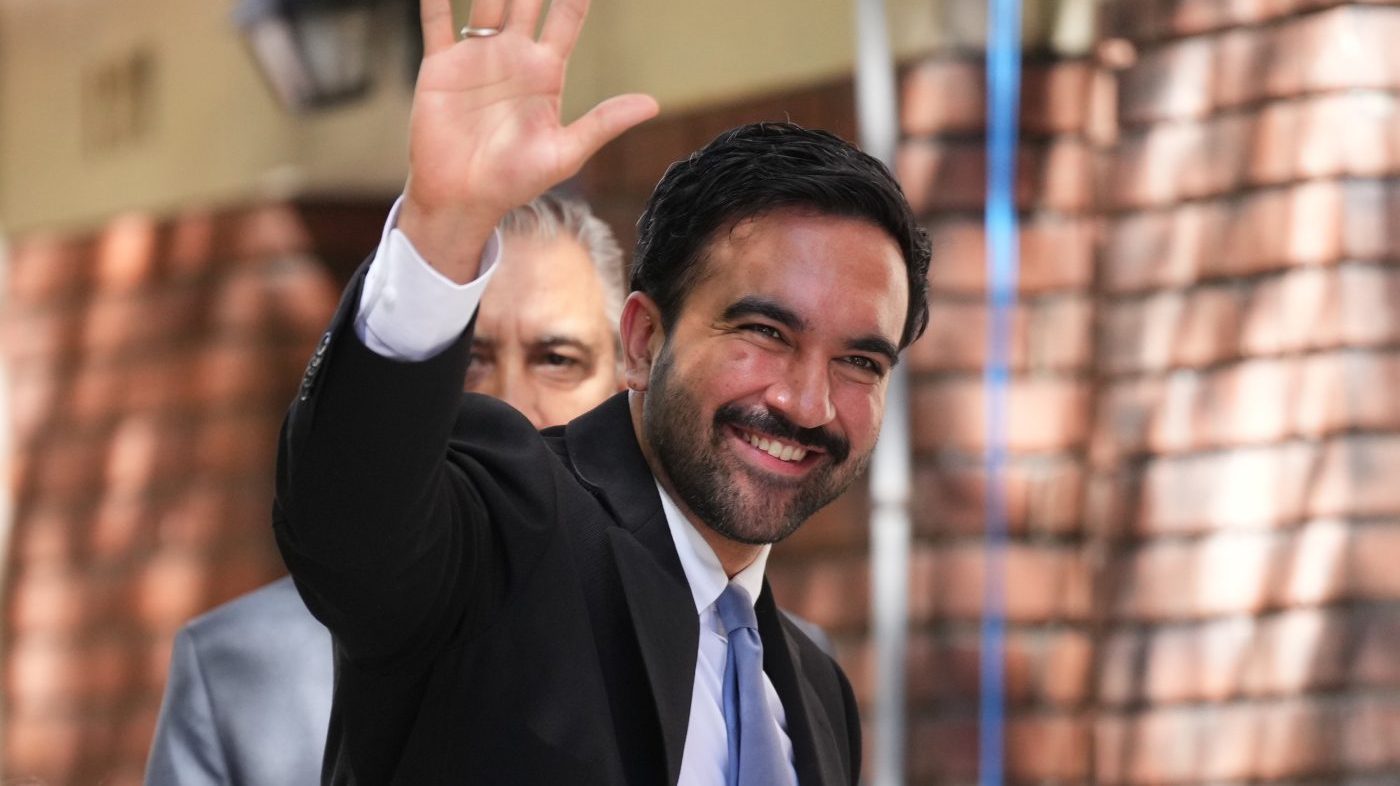
"This is a serious concern for the public, because an attack on one outlet is an attack on everyone," Jiang continued. "No matter where that outlet falls on the political spectrum. It is limiting the amount of information that reporters inside can gather, can excavate, to give back to the public."
Jiang stressed that access to the White House cannot be revoked simply because the president dislikes coverage. She warned that the move could establish a precedent for future administrations of either party.
"Look, every administration, every president hates the press," she said. "There should be tension. We wouldn't be doing our jobs and, neither would they, if there wasn't that friction."
The veteran correspondent described White House access as an "absolute privilege" and argued that restricting which outlets can cover the president narrows the range of perspectives in the briefing room. She noted that reporters develop relationships with staff that yield crucial context, and losing that access would deprive voters of vital information.
"And all of that context matters in our reporting," Jiang added. "And that's what we can't do from outside the gate. And what you see sometimes might be at the edge of the frame, might not be captured if, for instance, the White House is running its own cameras."
Heinrich pointed out that no major news outlet is run by the federal government and asked what could happen if coverage is no longer independent. Jiang warned against state-controlled media.
"An America cannot have state TV," she said. "That's what makes America America … because you need independent actors to be able to be the observers. And if the government is only showing you what it wants, then you have to question: What are we missing?"
The three outlets announced Monday they would sue the administration to protect their First Amendment rights, arguing the government cannot decide what the press publishes. Trump, who has accused the outlets of spreading "FAKE NEWS," issued the ban on Friday, claiming it was not an assault on press freedom but a response to "corrupt, purposeful, pervasive" reporting that he called a threat to national security.
Reporters from the banned outlets were denied entry to White House grounds on Saturday, and their credentials were confiscated by the Secret Service. The move has drawn sharp criticism from press freedom advocates and even some Fox News contributors. The fallout has triggered an unprecedented network boycott, and Trump has hinted he expects to lose in court, signaling the legal battle is far from over.