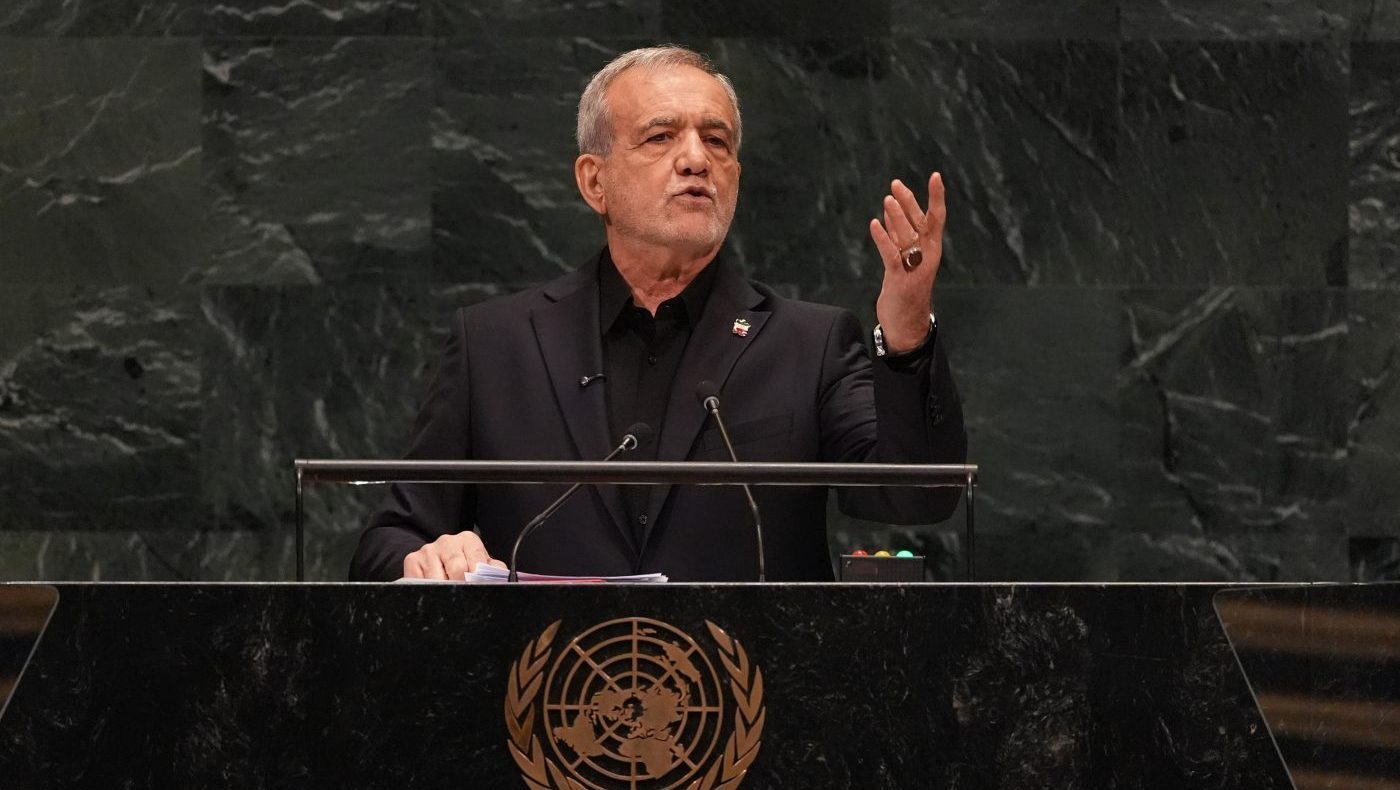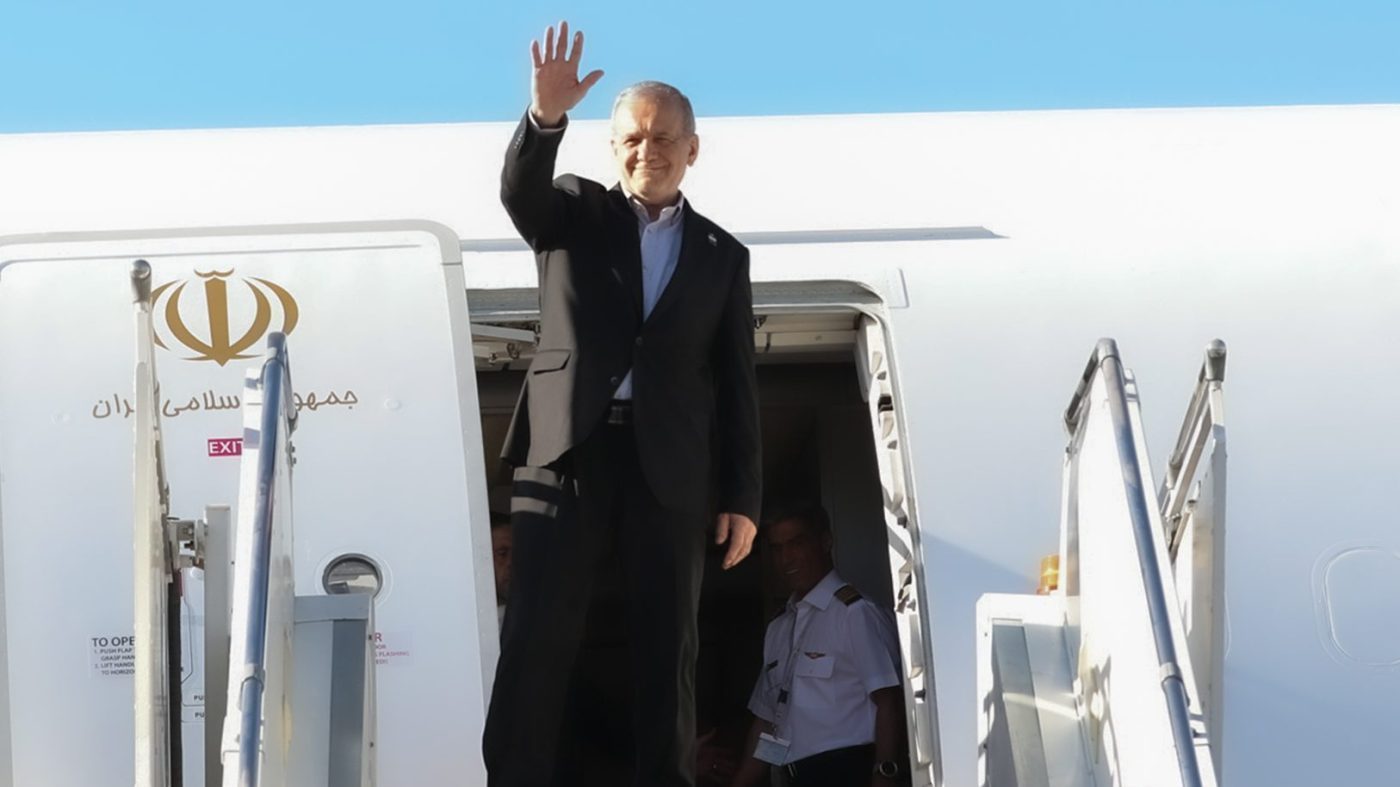
Iranian President Masoud Pezeshkian used his address at the United Nations General Assembly on Wednesday to deliver a blistering counterattack against President Trump, dismissing U.S. accusations of terrorism and vowing that Tehran will not abandon its peaceful nuclear ambitions.
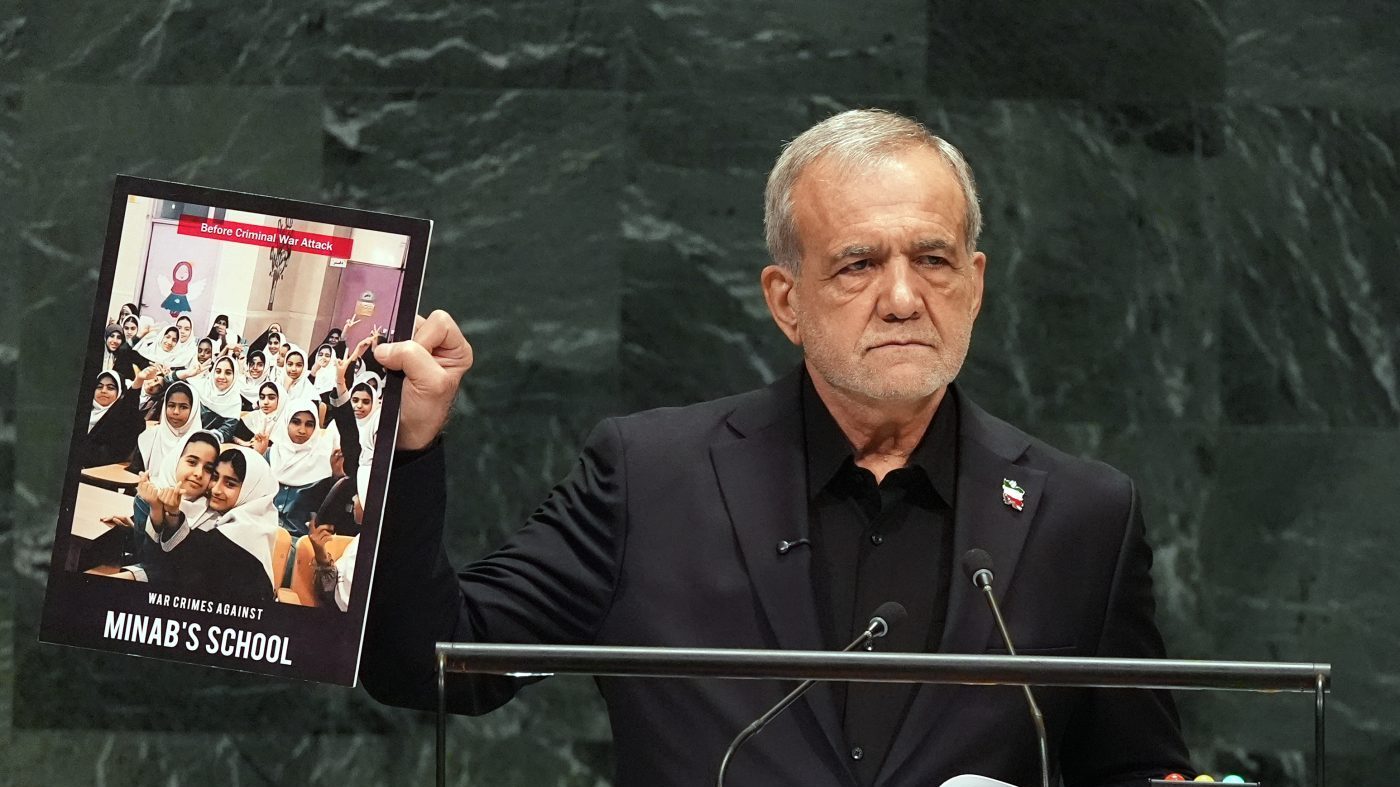
Opening with a direct jab at Trump's Tuesday remarks, Pezeshkian noted that the U.S. president had labeled Iran a terrorist state. "We have been the victims of terrorism," he declared, pointing to the assassination of Iran's Supreme Leader as an example of unlawful U.S. actions. He also referenced a U.S. missile strike on a school in February that killed 175 people, saying, "Those who are terrorists and train and protect terrorists describe us as such."

The American delegation, led by Secretary of State Marco Rubio, walked out as Pezeshkian continued his critique, which extended to U.S. and Israeli policies in Gaza and ongoing attacks on Iranian territory. He urged the assembly to recall Trump's own threat to "annihilate" Iran, arguing that such language contradicts the UN's founding principles.
Despite the heated rhetoric, Pezeshkian insisted that Iran remains open to dialogue and diplomacy, but not under coercion. "We are ready for dialogue and diplomacy and negotiations without accepting the language of force," he said, adding that Iran would never "bow our head" or surrender its nuclear program. He reaffirmed Tehran's position: "No nuclear weapons and no limitations to peaceful nuclear technology."
The comments come as indirect talks between U.S. and Iranian officials continue, with Special Envoy Steve Witkoff saying Tuesday that both sides had "engaged in lengthy talks" through mediators and expressing hope for "constructive and promising" outcomes. However, Secretary of State Marco Rubio cast doubt on the prospects, telling Fox News that the ultimate decisionmaker in Iran is the Supreme Leader, whom he called "a radical Shia cleric."
Meanwhile, the Trump administration is facing legal and diplomatic challenges on multiple fronts. The Supreme Court is again weighing Missouri's congressional map dispute, and the White House is defending its ban on several news outlets in court. In a separate development, Republican senators are pressing the administration to unlock Taiwan military aid, as tensions in the Indo-Pacific remain high.
Pezeshkian's speech underscores the deep rift between Washington and Tehran, even as both sides signal a willingness to talk. The coming weeks will test whether diplomacy can overcome the mutual distrust laid bare on the world stage.