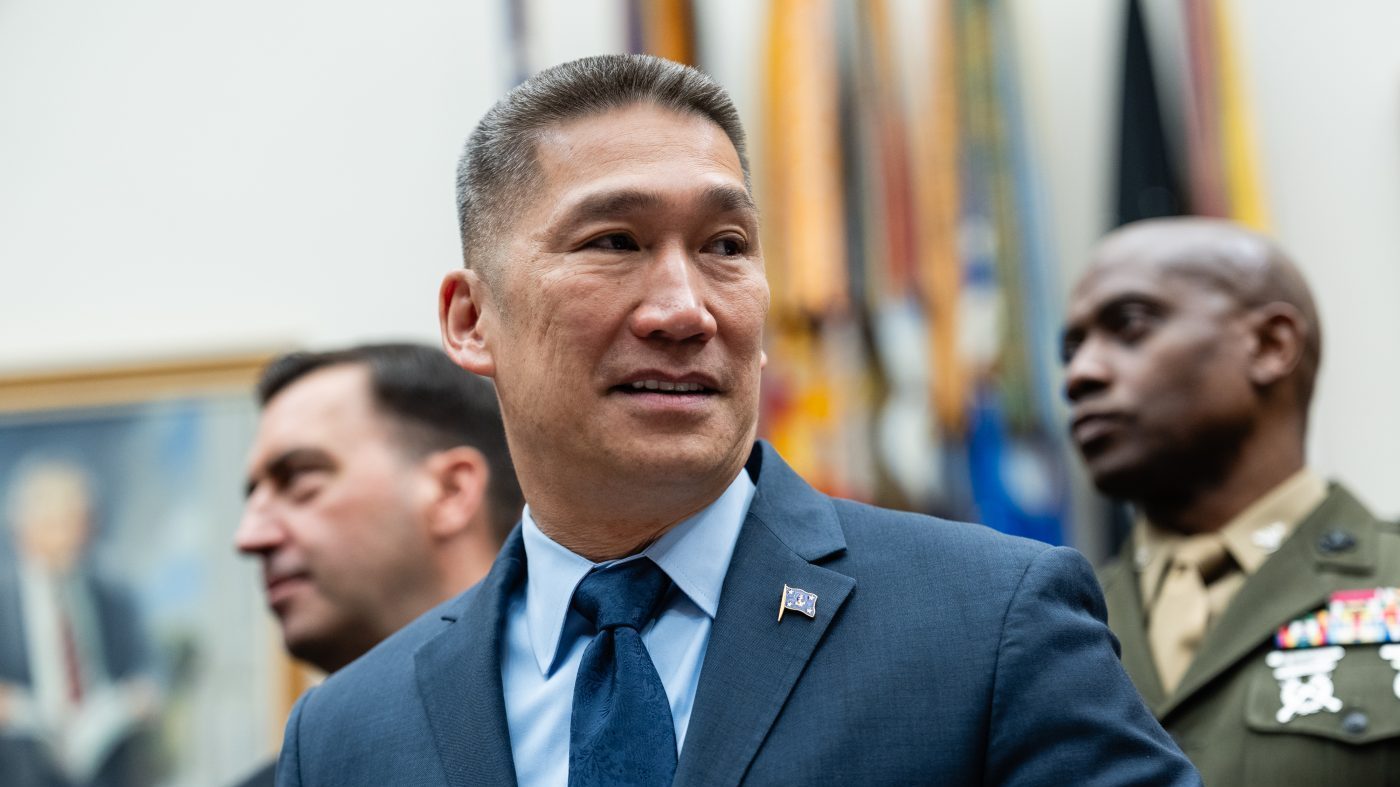
Acting Navy Secretary Hung Cao disclosed this week that eight sailors assigned to the USS Abraham Lincoln carrier strike group attempted suicide during an extended deployment that included combat operations against Iran. The revelation came in a letter to Sen. Kirsten Gillibrand (D-N.Y.), a member of the Senate Armed Services Committee, obtained by The Hill on Wednesday.
The figure encompasses personnel aboard the aircraft carrier, its embarked air wing, destroyer squadron staff, escorting destroyers, and all associated aviation squadrons. Cao's four-page response, dated Tuesday, was issued on behalf of Defense Secretary Pete Hegseth and emphasized the Navy's commitment to service member well-being.

No service members died by suicide during the deployment, Cao wrote. He praised the resilience of Carrier Strike Group Three personnel, stating they "have demonstrated exceptional resolve under demanding conditions." He added that decisions to extend deployments are not made lightly and are driven by global security needs and the imperative to protect U.S. interests and allies.
The Lincoln, a Nimitz-class carrier, is returning home after more than 250 days at sea in the U.S. Central Command area of operations. The extended deployment drew congressional criticism following reports of cramped living quarters, food shortages, and deteriorating mental health among the crew. President Trump and Secretary Hegseth defended the conditions, with Hegseth asserting that sailors receive everything the Navy can provide and expressing gratitude for their service under austere circumstances.
Cao detailed mental health resources on the Lincoln, including five chaplains, a prevention counselor, a psychologist, a clinical social worker, three behavioral health technicians, and a facility dog. Each escort vessel has an organic chaplain to monitor crew endurance. He also acknowledged that during combat operations, the carrier reduced main entree options from two to one for a short period to conserve supplies, though four daily meals remained nutritionally balanced.
The acting secretary confirmed that a sailor from the air wing went overboard in early August but was quickly recovered by a search-and-rescue helicopter. Another sailor attempted to go overboard in March but was stopped by shipmates and received medical care before returning to homeport.
The letter comes amid broader scrutiny of military leadership and deployment conditions. Earlier this year, Cao's nomination faced hurdles as Democrats raised concerns about his qualifications. Separately, the Pentagon has dealt with fallout from extended deployments and mental health challenges across the force.
Adm. Brad Cooper, head of U.S. Central Command, visited the Lincoln last month and praised its leadership for prioritizing mental health and crew resilience. He called the visit "awe-inspiring" and said Americans would "beam with pride" at the crew's work. A congressional delegation is in the planning stages to board the Lincoln for oversight once it returns to the U.S.
The disclosure adds to ongoing debates about military readiness and sailor welfare, especially as the Navy continues to face regional tensions and extended operations. The Lincoln's deployment also coincided with heightened U.S.-Iran hostilities, underscoring the stress on service members in high-threat environments.