As the conflict with Iran enters its seventh month next week—a war the president once suggested could be over in days—Donald Trump took to the United Nations podium to cast himself as a peacemaker while simultaneously threatening the Islamic Republic's total destruction.
“I have a big decision to make,” Trump said. “Will a deal be made with Iran that lets them rebuild and create a far greater country than it ever was before—maybe one of the greatest in the Middle East, or even the world? Or do I annihilate the Islamic Republic, and do it quickly, never giving them a chance to kill and destroy people and countries again? Do I drive them into hell, with no chance of survival and no hope of future greatness for generations?”

The president again used the speech to defend his decision to launch the war, repeatedly citing the threat of Iran acquiring a nuclear weapon. But that rationale has shifted since the conflict began, and the administration's own intelligence community had previously assessed that Tehran was not actively building a bomb.
From maximum pressure to open warfare
In February 2025, the administration's stated strategy was “maximum pressure”—deny Iran a nuclear weapon, constrain its missile program, weaken its regional networks, and squeeze the regime economically. That policy was laid out in Trump's national security memorandum. However, the intelligence picture at the time was more nuanced, with then-Director of National Intelligence Tulsi Gabbard telling Congress in March 2025 that Iran was not building a nuclear weapon and that Supreme Leader Ayatollah Ali Khamenei had not authorized restarting the weapons program.
Then came Operation Midnight Hammer in June 2025, presented primarily as an attack on Iran's nuclear infrastructure. By the time Operation Epic Fury launched the full-scale war in February 2026, the public rationale had expanded to include stopping Iran from obtaining a nuclear weapon (despite those aspirations supposedly being destroyed), devastating its ballistic-missile capabilities, eliminating its naval threat, disrupting support for regional militant groups, and, at various points, creating conditions for regime change.
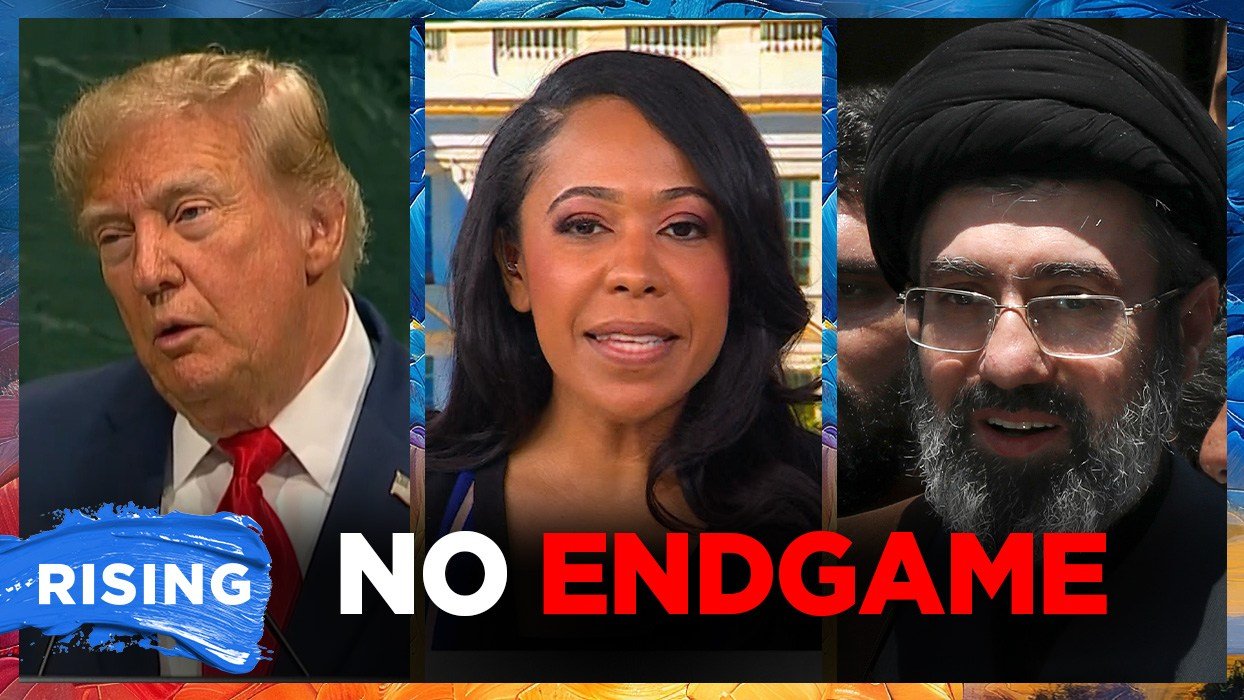
No endgame, only midterms
Now the president is suggesting Iran may make a deal—conveniently after the November midterms, after Americans have voted on the party in power. This timing raises questions about whether the administration is using the war as a political tool, especially given the president's approval rating has sunk to 29% amid growing public discontent.
Whether a deal will materialize after the midterms remains unknown. What is clear is that a war initially described as potentially lasting days is approaching the seven-month mark. Unanswered questions loom over weapons stockpiles, the conflict's cost, the impact on global energy markets, and what exactly constitutes the administration's endgame.
Americans are not happy. A new CNN poll shows nearly two-thirds—64%—believe the U.S. is not winning the war in Iran. Only 26% approve of Trump's handling of the conflict, the worst number in the poll for him.
At the UN, the president offered another empty threat to annihilate an entire country but provided no clarity on how to end the war or minimize its global financial implications. His only solution: vote red and wait until after the midterms. This comes as the White House faces legal challenges over press bans and Trump escalates feuds with journalists at the UN—distractions that do little to address the human and economic toll of a war of choice.