During President Trump's first term, political observers often cited a hard floor of support for him at roughly one-third of the electorate. That bloc was made up of the most loyal MAGA supporters—those who would queue for hours to attend yet another rally. That assumption held true, with Trump's approval hovering in the 40s before settling at 34 percent on Jan. 4, 2021.
Now, in his second term, that foundation is crumbling. An American Research Group poll released this week puts Trump's approval at just 29 percent—a record low for his presidency and a stark warning for congressional Republicans who are tied to his political fortunes.
Why the Base Is Leaving
The reasons for this collapse are not what one might expect. The economy is performing better than during the height of the pandemic in 2020, when Trump's approval was in the 40s. Inflation, while still elevated at 3.5 percent, has come down from its peak. The discontent appears to stem more from a sense that politicians are not addressing the everyday struggles of Americans.
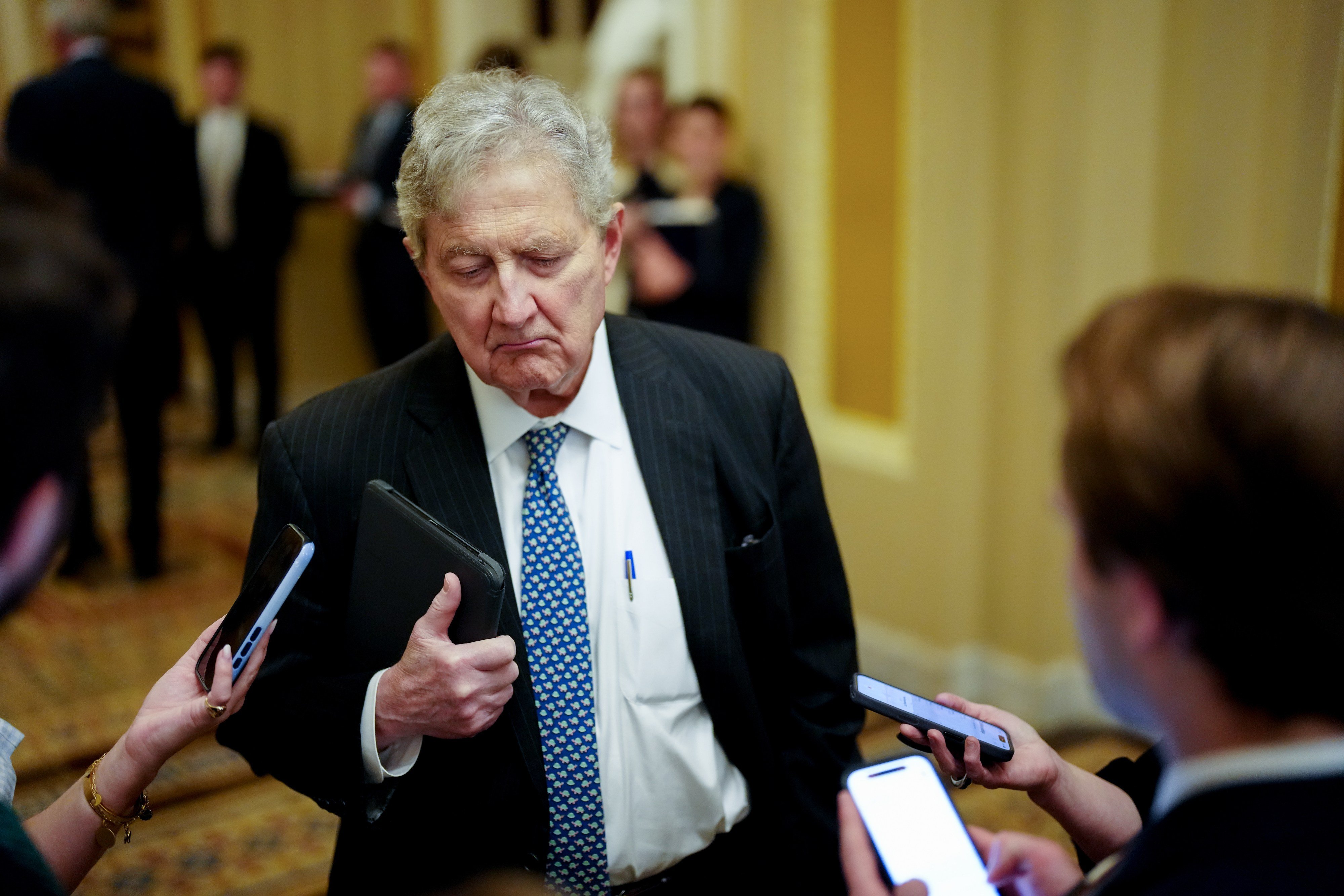
That sentiment is not just coming from Democrats. Sen. John Kennedy (R-La.) offered a rare moment of candor in a Sept. 6 interview with Meet the Press. When asked about the affordability crisis, Kennedy admitted that Republicans could act but have chosen not to.
“These prices are gutting the middle class like a fish and they expect Congress to address them. And we should have started five months ago. We didn't. But we need to start talking about it now,” Kennedy said.
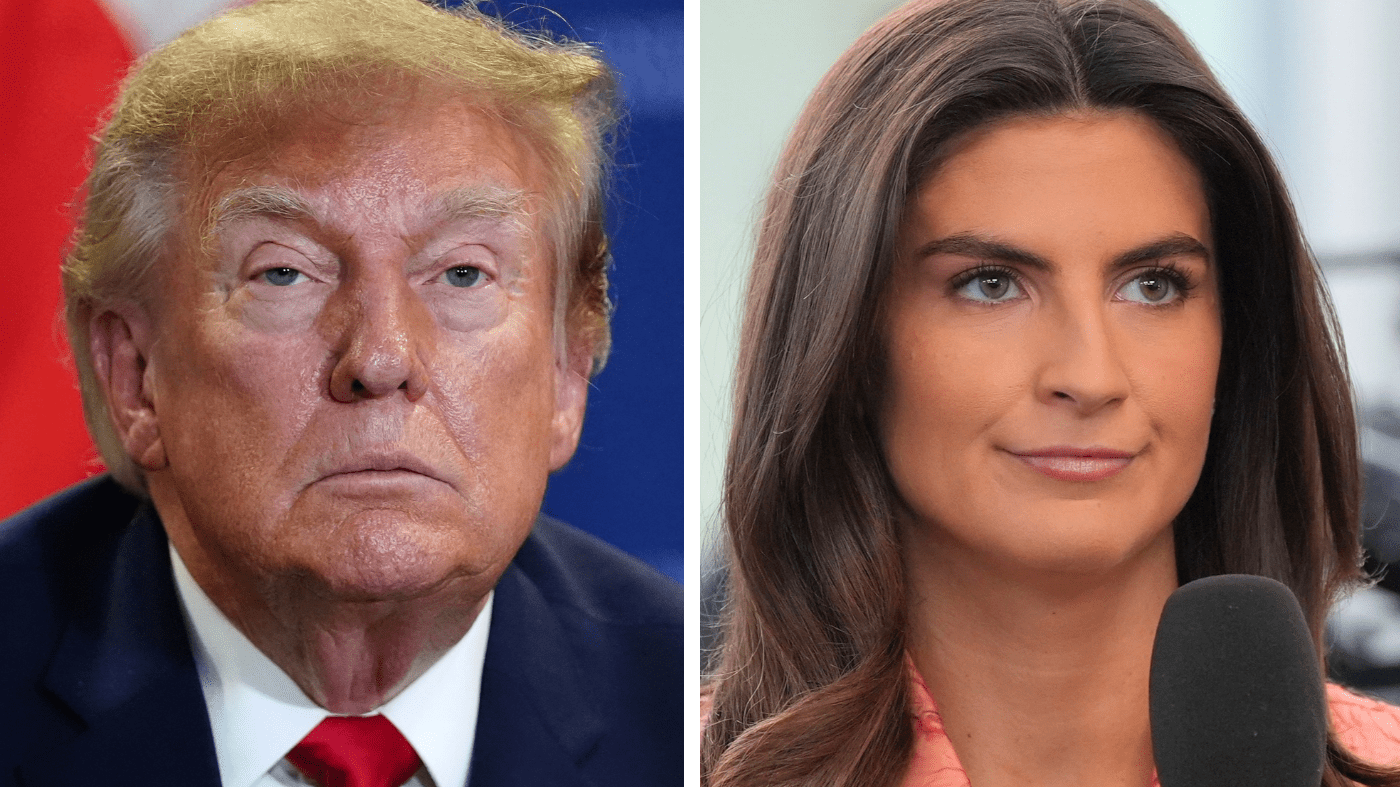
When host Kristen Welker pressed him on whether Republicans had the power to lower prices, Kennedy was blunt: “Sure, if we wanted to. We can do anything we want to in reconciliation and ask the House to come back and do it. I'm not saying we will do that. Certainly based on our record of the last five or six months, it's not likely.”
Such admissions are politically damaging. Hearing a Republican senator openly say that the party could ease the burden on families but simply won't is a gift to Democrats. It reinforces the narrative that the GOP is more interested in power than in governing.
Voters Blame Trump
A Fox News poll conducted Sept. 11-14 found that more than two-thirds of voters—including a quarter of Republicans—blame Trump for making the economy worse. The same poll shows Democrats leading Republicans by 15 points on handling inflation, one of the largest gaps recorded.
That advantage is driven more by anger at Republican inaction (51 percent) than by confidence in Democratic solutions (47 percent). Voters seem willing to try anything rather than continue with a party that appears indifferent to their struggles.
Trump's own comments on gas prices have not helped. At a campaign event in North Carolina last Wednesday, he scolded Americans for complaining about high fuel costs, saying, “It's a very inexpensive price to pay for what we've done. Remember that. It's a little more. Frankly, even if it was a lot more.”
That message—that higher prices are a fair trade-off for his policies—stands in stark contrast to his campaign promise to bring gas below $2 a gallon. It also echoes the sentiment of Republican lawmakers who seem to have given up on delivering results.
Midterm Implications
With the midterms less than two months away, Republicans are showing little appetite for addressing the issues that matter to voters. Their silence on inflation, combined with Trump's declining popularity, suggests a party bracing for a electoral wipeout. As some GOP candidates distance themselves from Trump, the president's sinking numbers are becoming a liability.
The political landscape is shifting. Voters are looking for leaders who will take action on the cost of living, not those who offer excuses. The Republican Party, once confident of a red wave, now faces the prospect of being swept away by a tide of voter discontent. As Trump signals support for policies that could further raise energy prices, the gap between rhetoric and reality grows wider.
For now, the GOP seems content to let the affordability crisis fester. But as lawmakers from both parties push for action on other fronts, the pressure to address kitchen-table issues is mounting. The American people are watching, and they are not pleased with what they see.