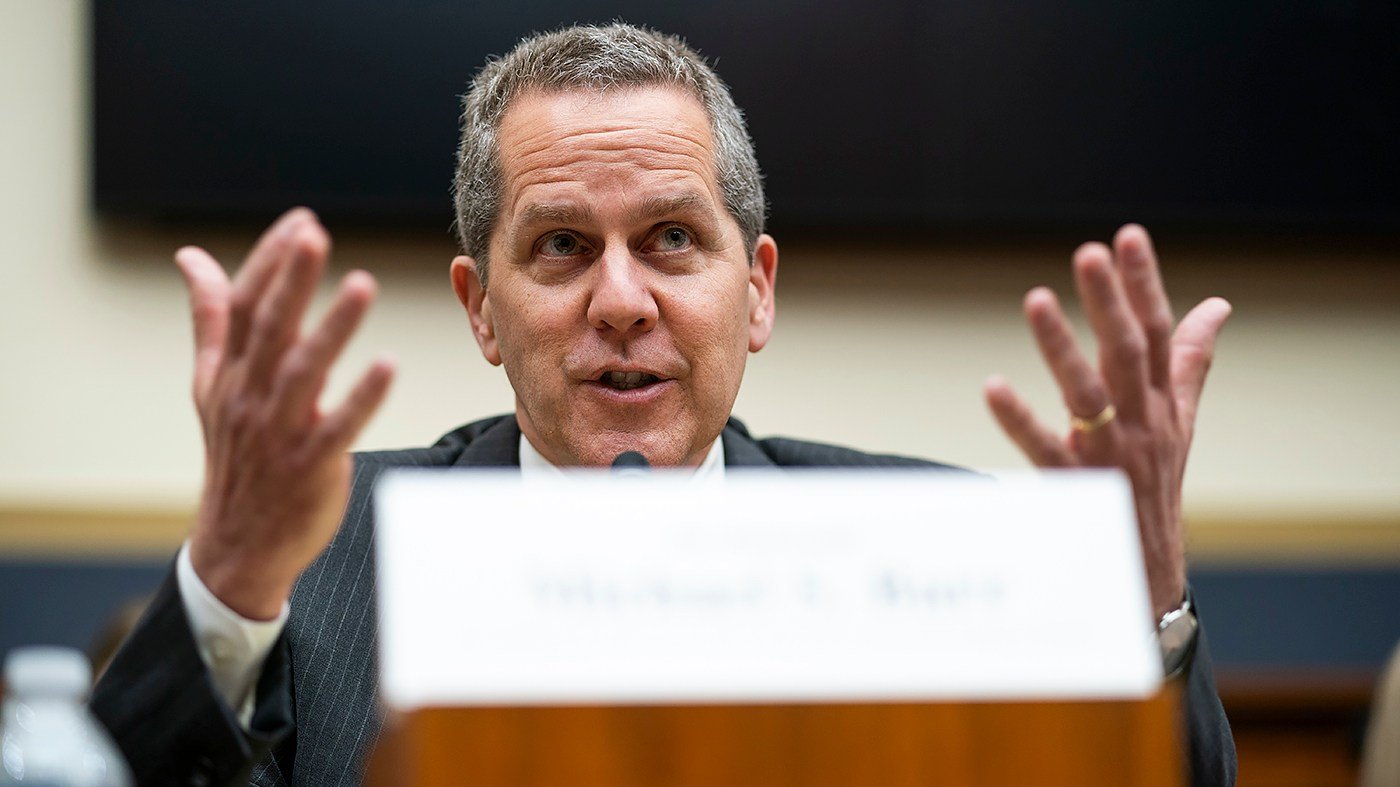
Federal Reserve Governor Michael Barr said Wednesday that the central bank will likely need to raise interest rates again to combat stubborn inflation, just days after the Federal Open Market Committee (FOMC) approved its first rate increase in over three years.
Speaking at a housing affordability summit hosted by the Federal Reserve Bank of Chicago, Barr defended the unanimous decision to lift the benchmark rate by a quarter percentage point, calling it the "right" move given that inflation "is above our 2 percent target and not clearly trending toward target in a timely way."
"In my base case, further policy adjustments are likely to be needed to ensure inflation comes down to target in a timely fashion," Barr said, signaling that the central bank is not done tightening monetary policy.
The FOMC raised its target range to 3.75 percent to 4 percent last week. Fed Chair Kevin Warsh said the move would "support a timelier return" to the committee's 2 percent inflation goal. Annual inflation, as measured by the consumer price index, stood at 3.4 percent last month, remaining above target since March 2021.
"The plain fact is that inflation is too high and has been for too long," Warsh told reporters last week. "This summer's inflation readings do not tell me that underlying trends have meaningfully improved."
While Warsh avoided committing to future rate decisions, the Fed's quarterly projections show 12 of 18 FOMC officials anticipate one more rate hike this year, with four expecting two additional quarter-point increases. Barr did not disclose his own projections on Wednesday but emphasized the central bank's dual mandate.
"We needed to recalibrate monetary policy to reflect the balance of risks to our mandate goals," Barr said, pointing to economic risks from the Iran war, the Russia-Ukraine conflict, and a "surge in investment demand to support" the artificial intelligence buildout. He added that price stability "is crucial" to achieving "sustainable, durable growth in support of maximum employment."
Market expectations for another hike jumped after Barr's remarks. According to the CME Group's FedWatch tool, traders now see nearly a 70 percent chance of a quarter-point increase at the FOMC's next meeting on Oct. 27-28, up more than 14 percentage points from Tuesday.
The upcoming meeting will wrap up less than a week before midterm elections, and the panel will reconvene in early December before the calendar turns to 2027.
While several Republican senators backed last week's rate hike, President Trump continued to pressure the Fed for cuts, calling the FOMC "a bunch of politicians" while praising Warsh as a "good man."
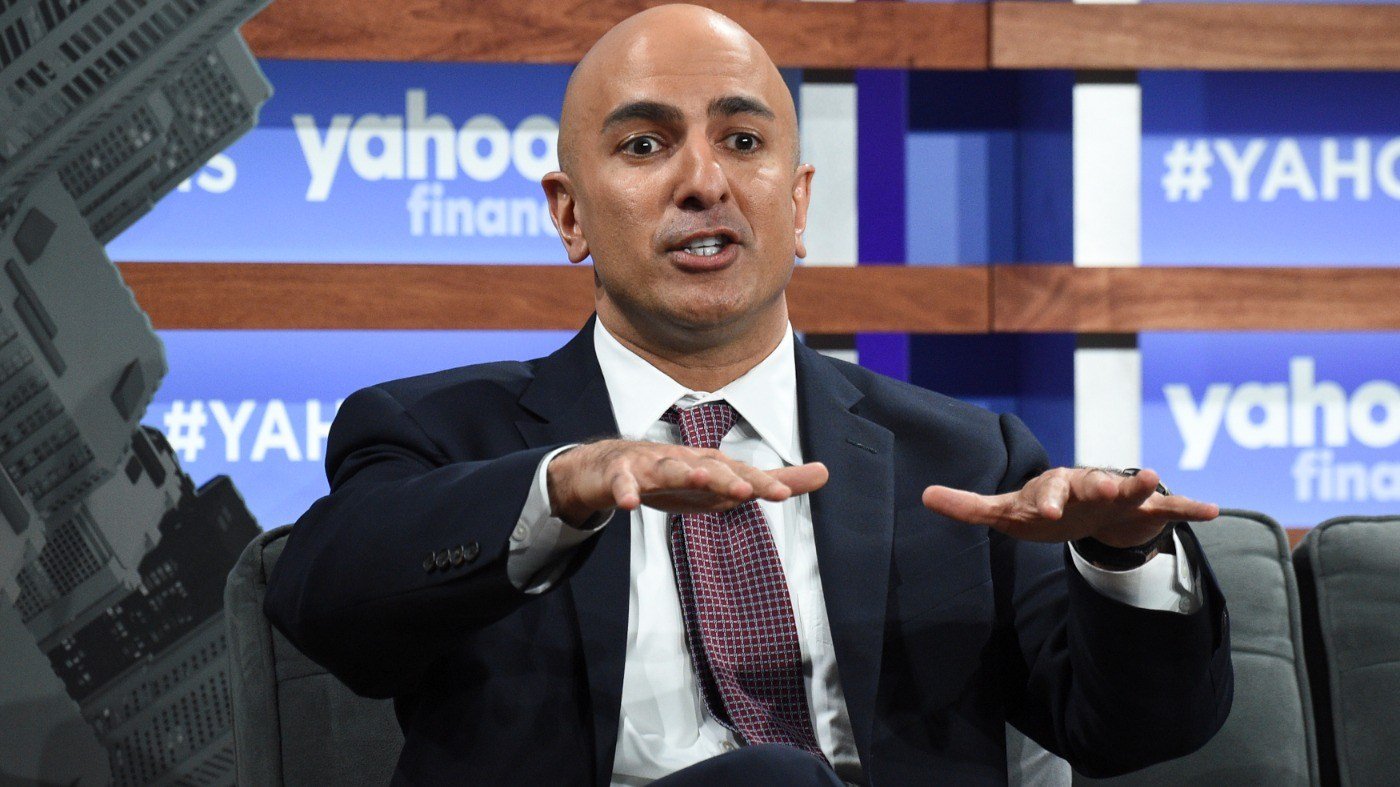
The Fed's tightening path remains contentious, with critics arguing that rate hikes aimed at supply-driven inflation could jeopardize jobs. Meanwhile, some officials like Minneapolis Fed's Kashkari have noted that inflation pressures remain widespread, underscoring the challenge ahead.