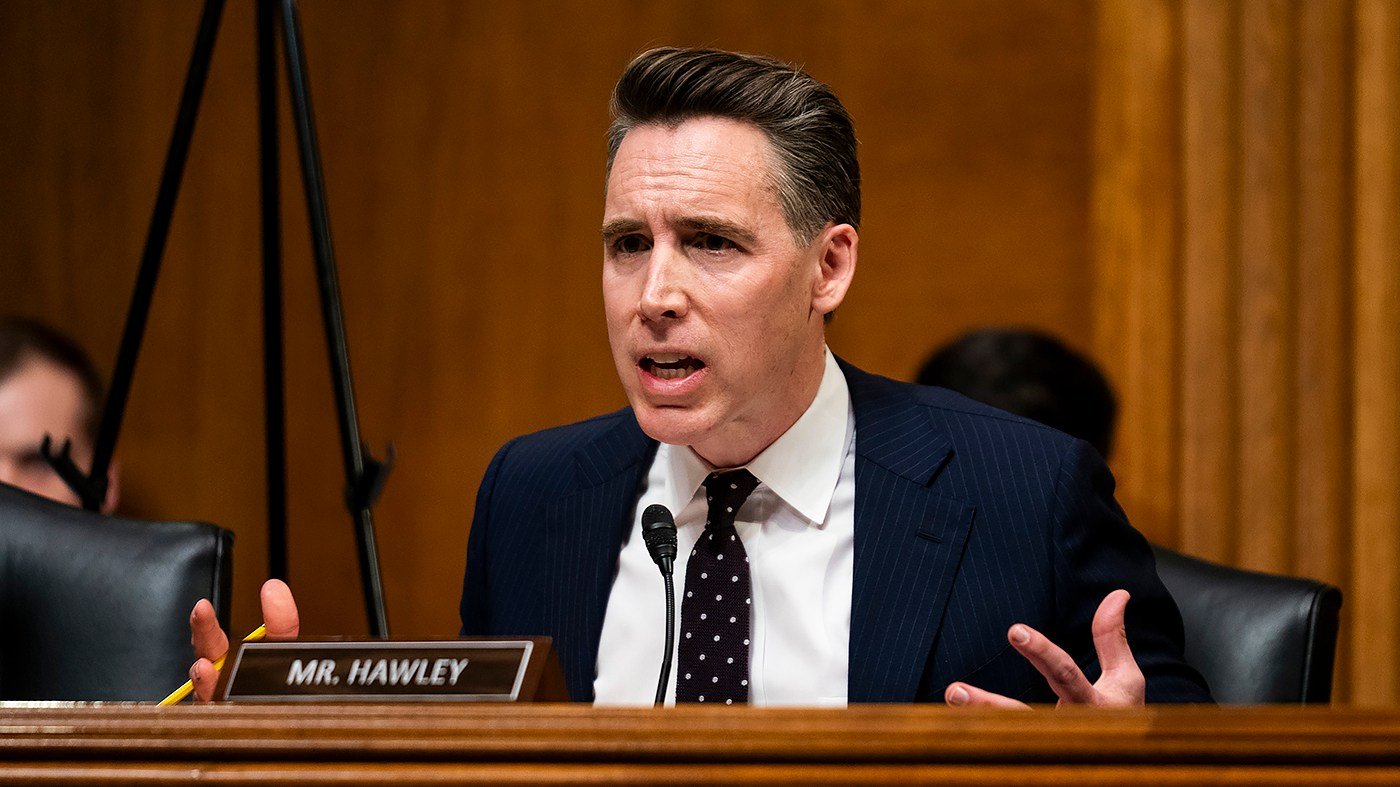
Senators convened the first congressional hearing on Wednesday to examine the proliferation of AI-powered surveillance cameras, particularly those made by Flock Safety, and whether they violate Americans' privacy rights. The hearing, titled "Always Watching: Flock's Nationwide AI Surveillance Network," was led by Sen. Josh Hawley (R-Mo.), chair of the Senate Judiciary Subcommittee on Crime and Counterterrorism, who has been investigating Flock's network of automated license plate readers (ALPRs).
"I have in mind the hundreds of thousands of individual cameras, all linked to the cloud, powered by AI, that seem to be spreading all across the country," Hawley said in his opening remarks. "Practically every state in the union now has them." He questioned where the images are going, who is using them, and what privacy protections exist. While acknowledging there are "many players" in the industry, Hawley singled out Flock for its scale.

Flock has faced scrutiny for its network of over 120,000 cameras nationwide. The company's plate readers capture not just license plates but also "vehicle signatures"—details like make, model, color, and unique features such as bumper stickers or decals. Recent news reports have documented multiple cases of law enforcement misusing Flock or similar ALPRs, raising alarms among civil liberties advocates.
Hawley noted that he had invited CEOs from Flock, Axon Enterprise, Motorola, and Verkada to testify, but none attended. "We sent letters to them and asked them to be here and they're not," he said. "I think that's unfortunate. I think we need to hear from them about what it is their networks do."
The hearing featured emotional testimony from Lindsey Isaacs, a 23-year-old Florida woman who spent 13 days in jail after Flock cameras mistakenly linked her car to a fatal crash. "I could not understand what was happening," she told the panel, describing being placed in solitary confinement for about three and a half days and wearing a "blue suicide-prevention dress with broken Velcro." She urged lawmakers to recognize that surveillance technology "does not exist in a vacuum."
Sen. Dick Durbin (D-Ill.), the subcommittee's ranking member, stressed the need for a "way to balance privacy and security," but said "Congress needs to lead the way." Several bills have been proposed to restrict Flock's use, though time is running short this legislative session.
Witnesses, including Chad Marlow of the ACLU and Alasdair Whitney of the Institute for Justice, highlighted legal concerns. Whitney noted that Flock operates a "dense network of more than 120,000 cameras in 49 states and logs 20 billion photographs of vehicles every single month." He added that an officer in California or Florida could access data on someone's movements in Missouri or Illinois "with the ease of a couple of keystrokes," with no federal law governing it.
Privacy advocates argue that Flock's self-regulation is insufficient. The company says customers own the data and can decide who sees it, with automatic deletion after 30 days by default—a period civil liberties groups call too long. The debate is also playing out in courts, as some jurisdictions cancel contracts with surveillance firms.
Democratic lawmakers asked whether federal agencies like Immigration and Customs Enforcement (ICE) use Flock's network. Durbin mentioned Illinois' law barring ALPR data from immigration investigations. Marlow said state laws are "a good faith effort to protect vulnerable populations," but they are "limited"—if the federal government presents a warrant or subpoena, state law may not shield the data. The hearing underscored the growing tension between security and privacy in the age of AI surveillance.