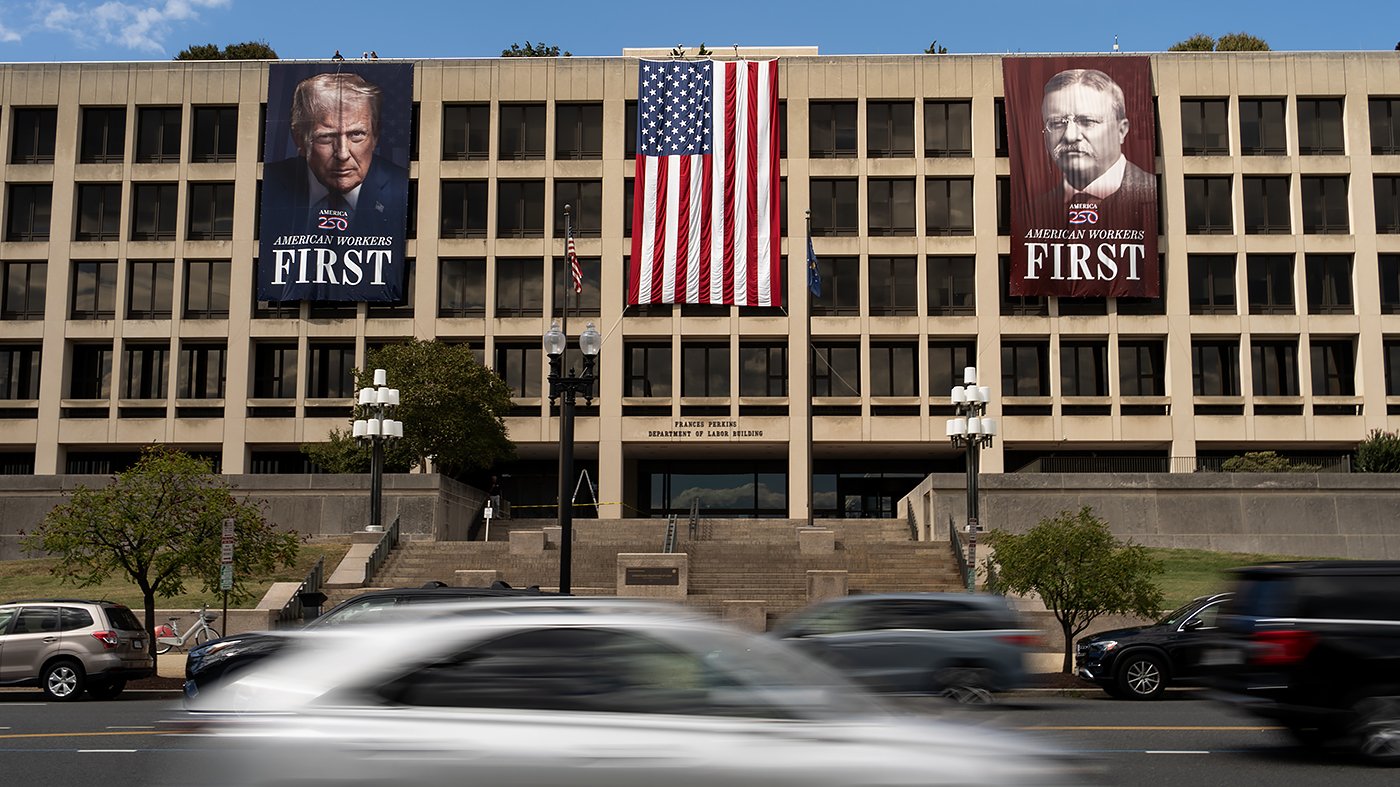
The Department of Labor has issued a new regulation that would give union members greater access to detailed financial records of their unions, a move that has triggered a legal challenge from the AFL-CIO. The federation, which represents most major labor unions, filed suit in federal court to block the rule on procedural grounds, arguing it unfairly targets workers. But the regulation is designed to close long-standing gaps in financial reporting and increase accountability within the labor movement.
At the heart of the dispute is a fundamental tension: unions often blur the line between the interests of their leadership and those of the workers they represent. While progressive politicians routinely tout their pro-union credentials by backing policies that strengthen organized labor, the reality is that the labor movement is divided between dues payers—the rank-and-file members—and dues takers—the union officials who control the purse strings. Their interests do not always align.
The new rule, which updates financial disclosure forms known as LM-2 reports for the first time since 2003, requires unions to provide more granular information on revenue sources, investment management, and asset allocation. It also mandates separate itemization of political and lobbying expenditures, as well as travel expenses for union officers, which must now be fully disclosed rather than hidden behind credit card payments. Additionally, unions will have to report the total compensation packages for officers and staff, not just salaries, and separately list any transactions with foreign entities.
Supporters say the changes will empower union members to better assess whether membership is in their interests and hold leaders accountable. The rule also offers some relief for smaller unions by raising revenue thresholds that trigger reporting obligations and eliminating the requirement to categorize how each officer and employee spends their time.
The AFL-CIO, led by President Liz Shuler, condemned the regulation as an attack on workers. In a statement announcing the lawsuit, Shuler accused the Trump administration of targeting labor. But critics note that the federation’s opposition is at odds with the rule’s goal of increasing transparency—a principle that has been central to labor law since the 1959 Labor-Management Reporting and Disclosure Act, passed after extensive congressional investigations into union corruption. That law established a union members’ bill of rights, set minimum standards for officer elections, and created the Office of Labor-Management Standards to oversee financial reporting.
The current rule was first proposed in late 2020 under the first Trump administration but was shelved after President Joe Biden took office, fulfilling his promise to be the most pro-union president in history. Now revived, the final version is less ambitious than the original but still represents a significant step forward, according to transparency advocates. For example, unions will now have to disclose how resources are allocated between contract negotiation and administration versus organizing new workplaces.
The legal fight recalls a 1958 moment when then-Senator John F. Kennedy chastised House colleagues for failing to pass similar reforms, warning that racketeering in the labor movement would continue unchecked. Today, the AFL-CIO’s lawsuit is seen by some as a repeat of that dereliction—this time with union leadership prioritizing their own interests over those of the members they claim to represent.
The rule is scheduled to take effect later this year, but the court challenge could delay implementation. For now, the battle exposes a deepening rift within organized labor, one that pits the institutional power of union bosses against the growing demand for accountability from the workers who fund them.