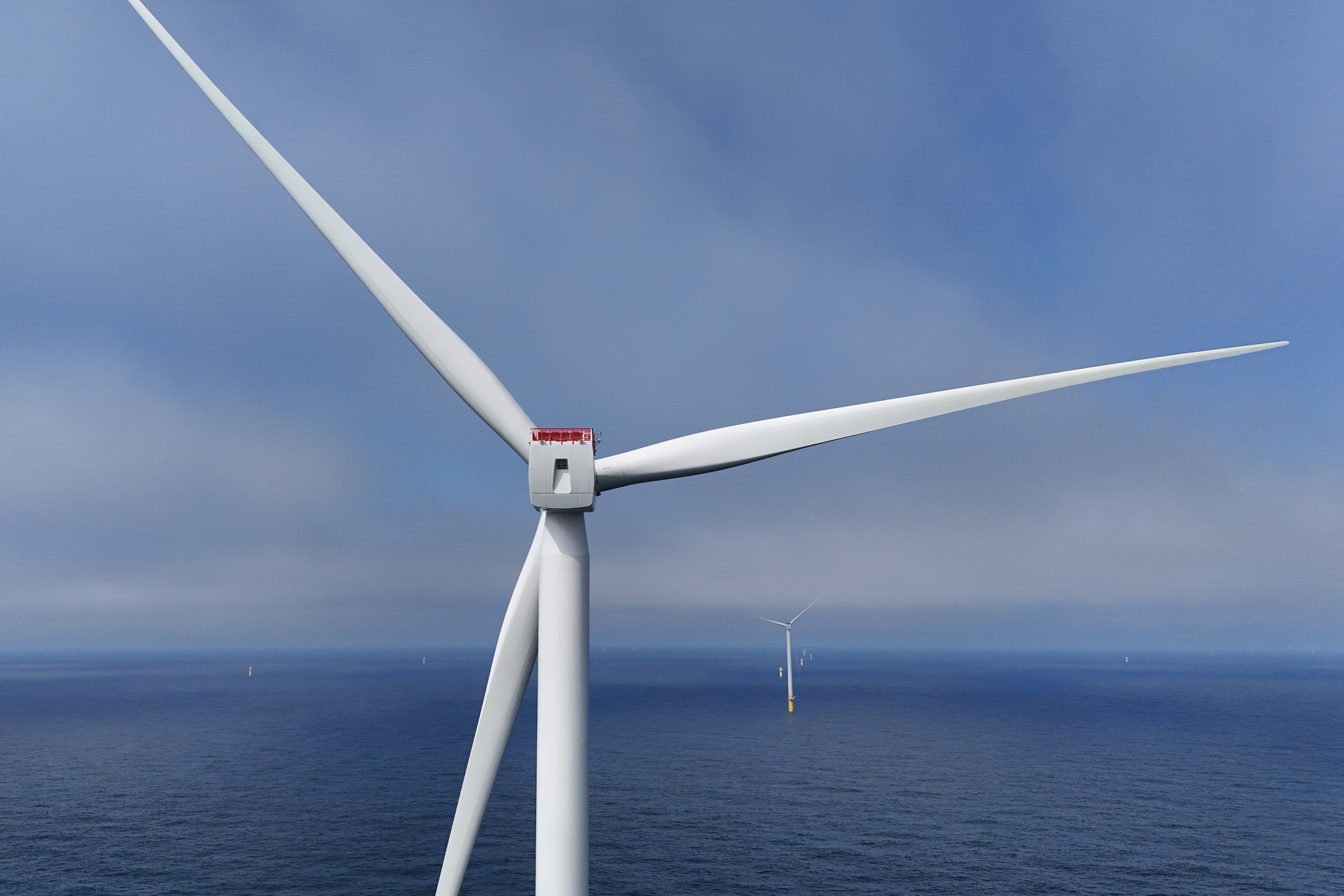
The Trump administration has reached another multi-billion-dollar settlement to persuade an energy company to abandon its offshore wind ambitions. RWE U.S. Offshore, a subsidiary of Germany's RWE, announced Thursday that it will receive $1.22 billion in exchange for relinquishing its rights to develop wind farms off the coasts of New York, California, and Louisiana.
RWE said it had previously invested more than $1 billion in these projects, which are now being scrapped as part of the administration's aggressive rollback of offshore wind development. The White House has repeatedly moved to block wind projects, even those that had already received federal approval under the previous administration.

This latest payout is part of a series of similar agreements with other companies, collectively costing taxpayers billions. The administration's stance represents a sharp reversal from the Biden era, which prioritized offshore wind as a key component of its clean energy agenda.
RWE, however, is not exiting the U.S. energy market entirely. The company announced it will redirect its investments toward fossil fuels, specifically natural gas. It plans to spend $900 million to acquire a 16% stake in a Louisiana liquefied natural gas (LNG) export project, and is also signing a $300 million deal related to gas turbines.
The move aligns with the Trump administration's broader energy policy, which has favored traditional fossil fuels over renewable sources. Critics argue that these buyouts are a wasteful use of public funds and undermine the country's ability to meet climate goals. For more on the administration's energy strategy, see this analysis of U.S. energy crossroads.
Meanwhile, the administration has also been criticized for its handling of environmental regulations. A recent report suggests that clean air rollbacks could silence communities nationwide, raising concerns about public health and environmental justice.
As the administration continues to dismantle offshore wind projects, the long-term implications for the renewable energy sector remain uncertain. Industry analysts note that while RWE's exit is significant, other developers may still pursue legal challenges or seek compensation for their own losses.
The administration's actions have also drawn international attention, with some allies questioning the reliability of U.S. energy policy. For a broader look at how Trump's unilateral approach is affecting U.S. global influence, see this piece on the Soviet-style strategy.