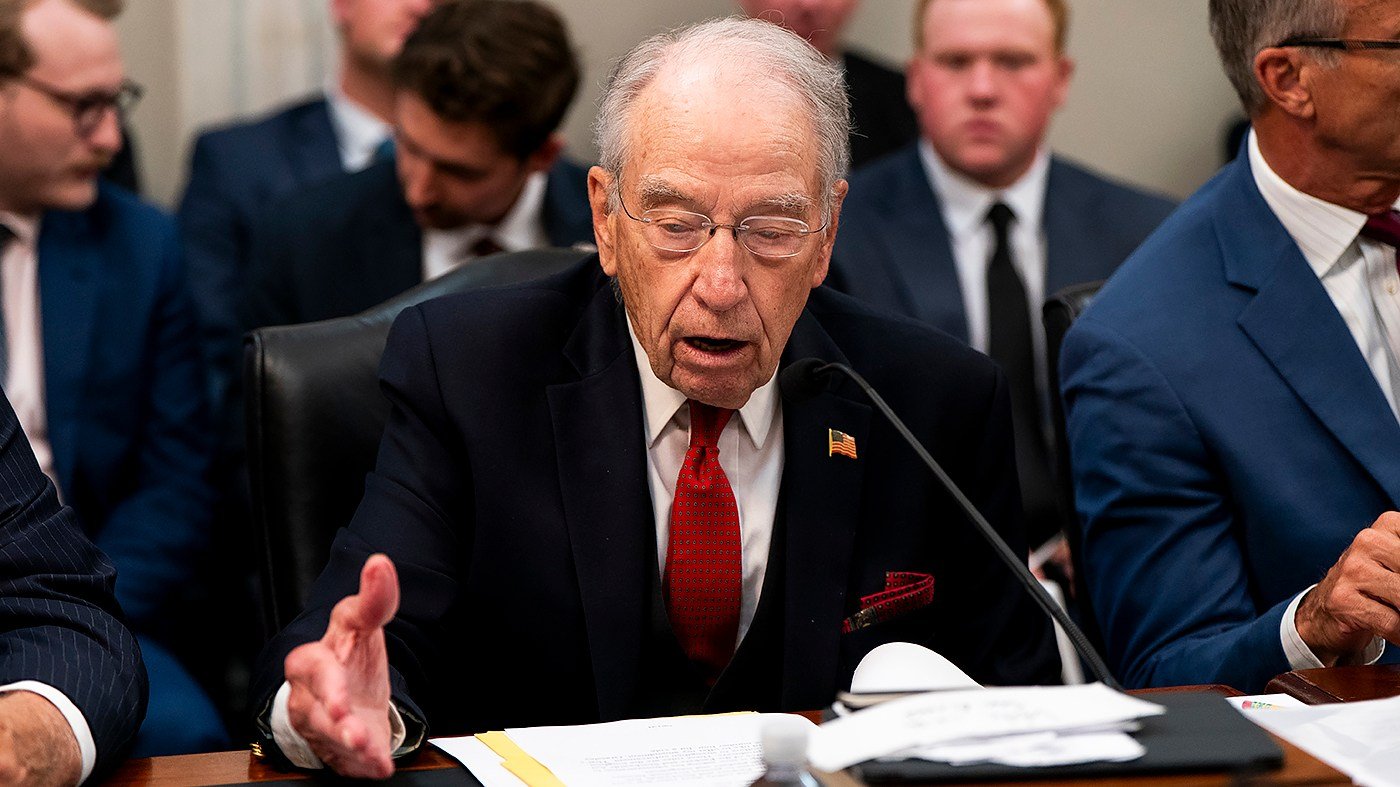
Sen. Chuck Grassley (R-Iowa) on Saturday called on President Trump to impose an embargo on diesel exports, arguing that skyrocketing fuel costs are devastating American farmers and truckers. In a post on X, Grassley asked why the president hasn't taken such a step, comparing it to the agricultural embargoes of the 1970s that were used to combat inflated food prices.
"High diesel prices ARE KILLING FARMERS INCOME," Grassley wrote, emphasizing the urgency of the situation. According to AAA data cited by the senator, the national average price for a gallon of diesel stood at approximately $6.51 on Sunday evening, a sharp increase from $3.70 a year earlier. In Iowa, the average was slightly lower at $6.29 per gallon.
The surge in diesel prices has become a political liability for Republicans as the November midterms approach. Rising energy costs are weighing on consumer sentiment, and the White House has sought to attribute the spike to disruptions in energy infrastructure linked to the Russia-Ukraine war. However, analysts point to additional factors, including the ongoing conflict with Iran, which has now lasted nearly seven months. The Strait of Hormuz, a critical chokepoint for roughly one-fifth of global oil supply, has faced closures, driving up oil prices.
Grassley doubled down on his proposal in a follow-up post on Sunday, arguing that if the government can impose export controls on computer chips to China, it can do the same for diesel to protect domestic interests. "We need our family farmers who feed & fuel the world to be on the strongest footing possible no matter what's happening across the globe," he said.
The Iowa senator's remarks come as the national average diesel price rose by more than 40 cents within the past week alone, intensifying pressure on the administration to respond. The White House has not yet commented on Grassley's request, but the issue is likely to feature prominently in upcoming political debates.
This is not the first time Grassley has weighed in on energy policy. He has previously advocated for domestic energy independence and criticized policies that he says hamper U.S. production. His latest call aligns with broader Republican messaging on energy costs, which has become a central theme in the midterm campaign.
Meanwhile, the broader economic impact of high diesel prices extends beyond farmers, affecting supply chains and consumer goods. Trucking associations have warned that sustained price increases could lead to higher shipping costs and potential shortages. The situation remains fluid, and political observers are watching whether the administration will consider any export restrictions to alleviate pressure.
As the midterm elections draw near, the debate over diesel exports is likely to intensify, with Republicans using it to attack the administration's energy policies and Democrats pointing to global factors beyond their control. For now, Grassley's proposal adds a new dimension to the ongoing discussion about how to address rising fuel costs.