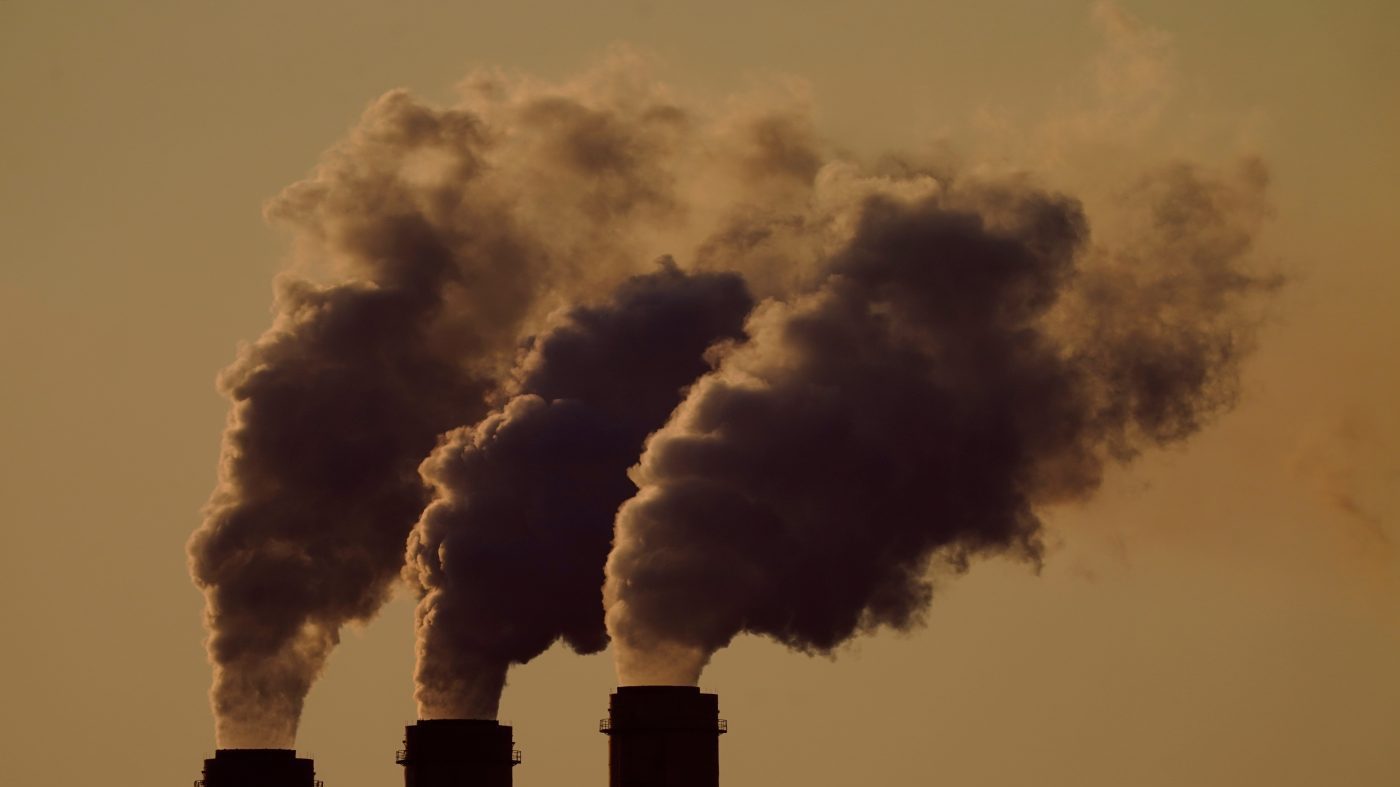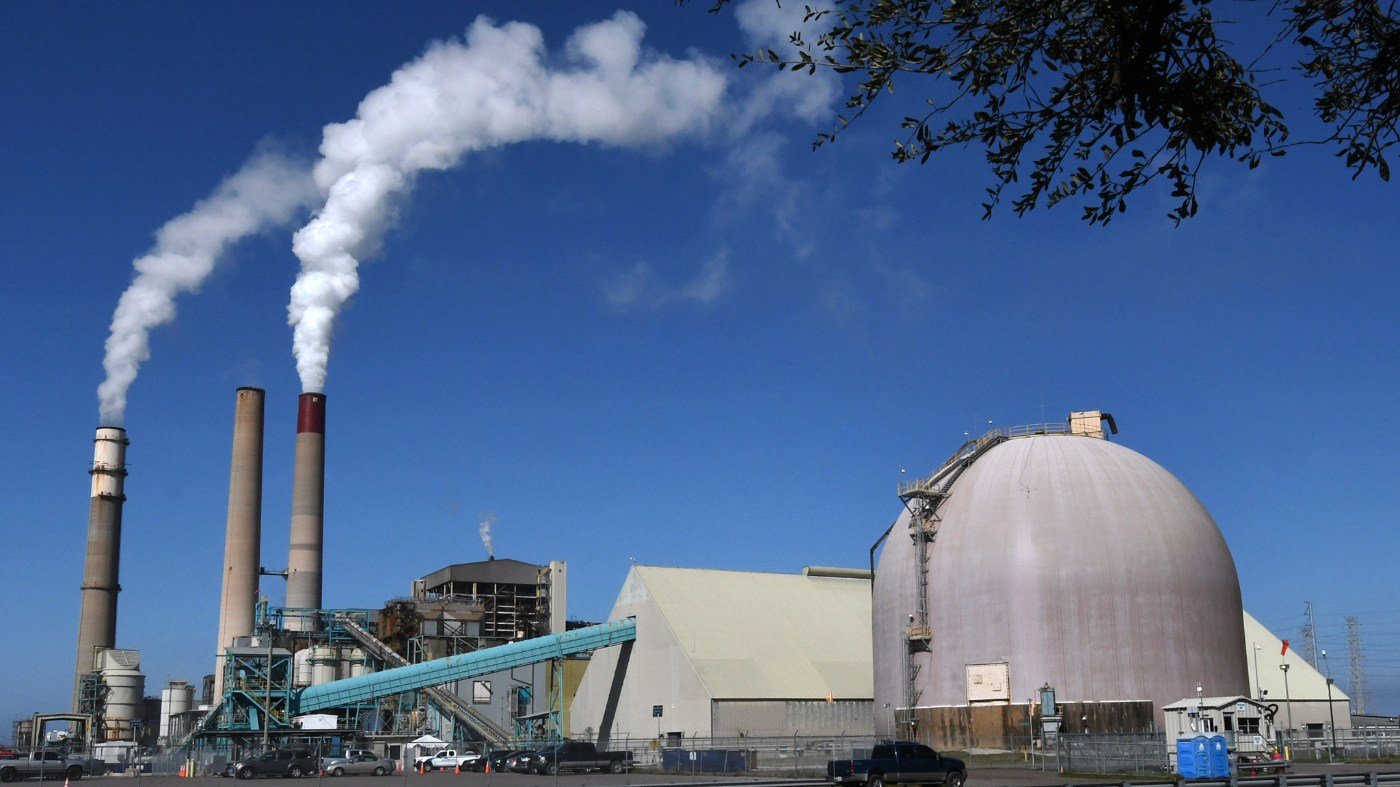
Households across the Northeast are bracing for sharply higher heating bills this winter as diesel prices climb, driven by ongoing conflicts in the Middle East and Eastern Europe. The cost of heating oil, a fuel used by nearly 5 million U.S. households—82% of them in the Northeast—is tightly linked to diesel prices, and the current trajectory points to a significant financial hit for consumers.
William O'Neil, principal research analyst at S&P Global, explained that heating oil and diesel are chemically nearly identical, differing only in additives and treatments. "The price of diesel historically has a pretty strong relationship to the price of heating oil," he said. That relationship means that as diesel prices have spiked, heating oil costs have followed suit.
O'Neil projected that New Englanders could see prices rise by as much as $2 per gallon compared to last winter, when residential heating oil averaged $3.75 to $4 per gallon. "You're talking about something in the range of 50 percent higher," he noted. The National Energy Assistance Directors Association (NEADA), which represents state energy officials, released an analysis last week projecting a 31% increase, with households spending an average of $2,297 this winter, up from $1,749 last year.
Mark Wolfe, NEADA's executive director, said that as diesel costs have continued to climb, the final numbers could be even worse. The group's broader forecast shows overall home heating costs rising 8.7% on average, with natural gas up 5.8%, electricity up 9%, and propane up 8.7%.
Wolfe highlighted the severe impact on lower- and middle-income families. "When you have budgets where there's very little discretionary income, you have to cut back on groceries. You cut back on medicine," he said, warning of a "spiraling effect" that could lead to utility shutoffs and reliance on payday lenders.
The price pressures come on top of already high gasoline and diesel prices. As of Friday, the national average for gasoline was $4.47 per gallon, while diesel averaged $6.45, according to AAA. Heating oil purchases typically peak in early October, meaning the cost increase could be felt before the midterm elections—a politically sensitive time, especially in states like Maine and New Hampshire with competitive Senate races.
Wolfe is urging Congress to boost funding for the Low Income Home Energy Assistance Program (LIHEAP) to help the poorest families, calling the situation "rapidly becoming a crisis in affordability." The rising costs are largely attributed to the U.S.-Iran conflict and the Russia-Ukraine war, which have disrupted crude supply and refining capacity.
Tom Kloza, chief oil analyst at Gulf Oil, pointed to Houthi attacks in the Red Sea as a major factor. "The Houthis were always a wildcard, and now the Houthis are very, very active," he said. O'Neil also cited uncertainty over the Strait of Hormuz, even as some movement continues. He noted that attacks on Saudi Arabia's East-West pipeline, a key conduit for oil exports bypassing the strait, have added to market doubts.
On the refining side, Ukraine's strikes on Russian refineries have taken a toll. Kloza said the world is missing about 7 million barrels per day of refining capacity, which is keeping prices for gasoline, diesel, and jet fuel "sky high." For Northeast residents, that means this winter's heating bills will be a stark reminder of how global events translate into household costs.