Lawmakers from both parties are advancing a federal tax credit for film productions, a proposal that critics say would deliver a weak return on taxpayer money. The push comes as new data highlight how such incentives often fail to deliver the economic benefits they promise, while other public investments—like cleaning up abandoned mines—offer far better value.
State and local governments have long used tax breaks to lure companies, but research suggests the strategy is largely ineffective. A review of relocation incentive studies found that, on average, 93 percent of firms would have moved anyway. The pattern holds for Hollywood. An audit of Georgia's film tax credit found that for every dollar the state gave, only 19 cents came back in tax revenue. Though revenue is just one measure, it underscores the unfavorable deal taxpayers made to attract film productions.

Governments should step back from ad-hoc corporate incentives and focus on what they are uniquely positioned to fund: public goods that markets neglect. Cleaning up environmental hazards is a prime example. A corporation can pocket a tax break and move on, but a restored river or a remediated brownfield benefits communities for decades.
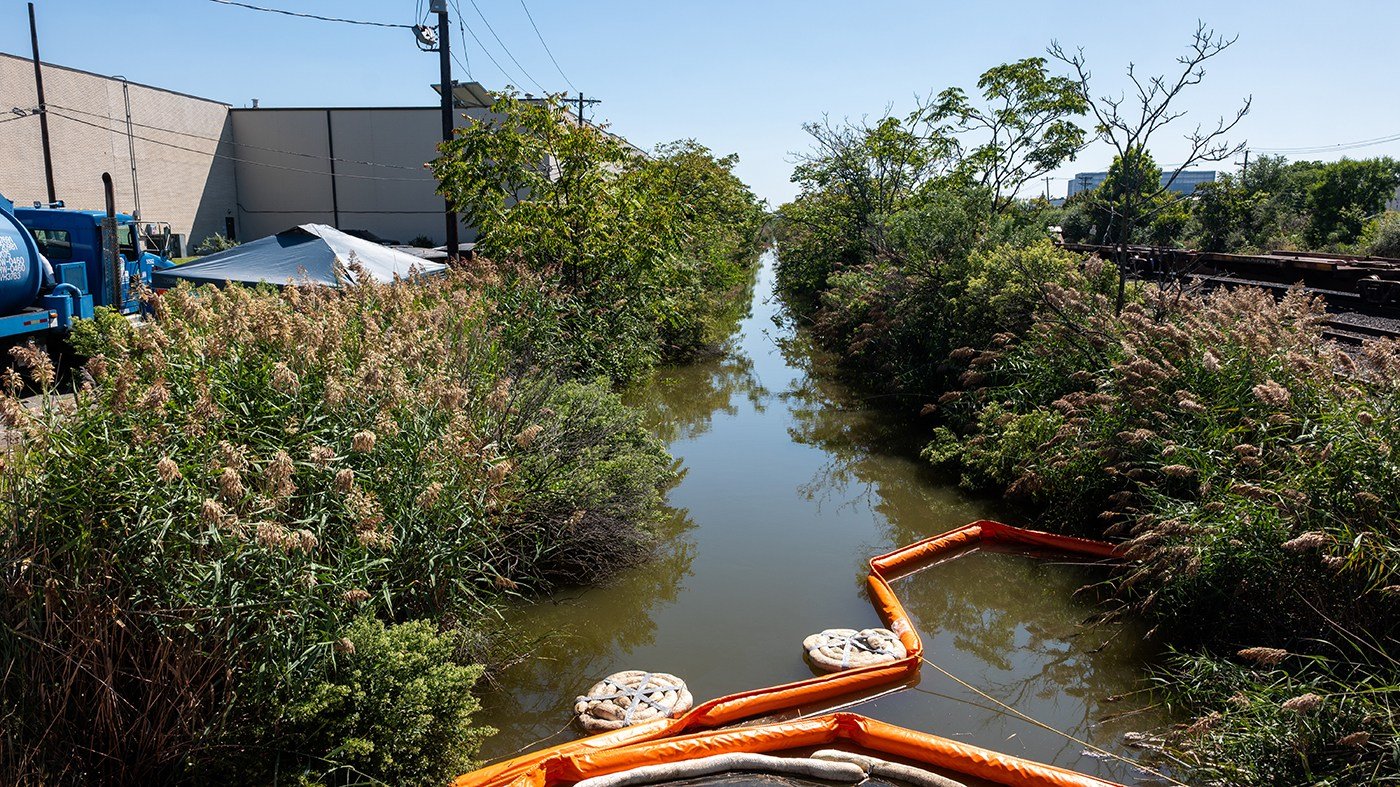
Abandoned mine drainage contaminates as many as 39,000 miles of streams in Appalachia alone. Interviews with residents in affected areas reveal that polluted waterways foster pessimism and neglect, leading to further problems like trash dumping. The human cost is measurable: from 1990 to 2020, Pennsylvania communities with mine drainage issues and no restoration saw their populations decline by 9 percent—nearly one in ten residents left.
Publicly funded grassroots organizations have built and maintained wetland systems that treat mine drainage, improving water clarity for miles downstream. Residents near restored waterways report renewed pride and optimism, and communities have seen longtime residents stay and new ones—especially those with more education—arrive.
The price tag for such restoration is surprisingly modest: about $240 per resident in a Census tract. By contrast, the federal Empowerment Zone program, which relied heavily on business incentives, spent $1,500 per resident and attracted fewer people.
Brownfield remediation offers another high-return opportunity. Pennsylvania's Hazardous Sites Cleanup Act program, for example, helped transform a former steel and coke plant in Pittsburgh into innovation centers and advanced manufacturing facilities. A study of brownfield cleanups found that the resulting property value increases would generate enough tax revenue in one year to cover cleanup costs—a stark contrast to the 19 cents on the dollar from Georgia's film credit.
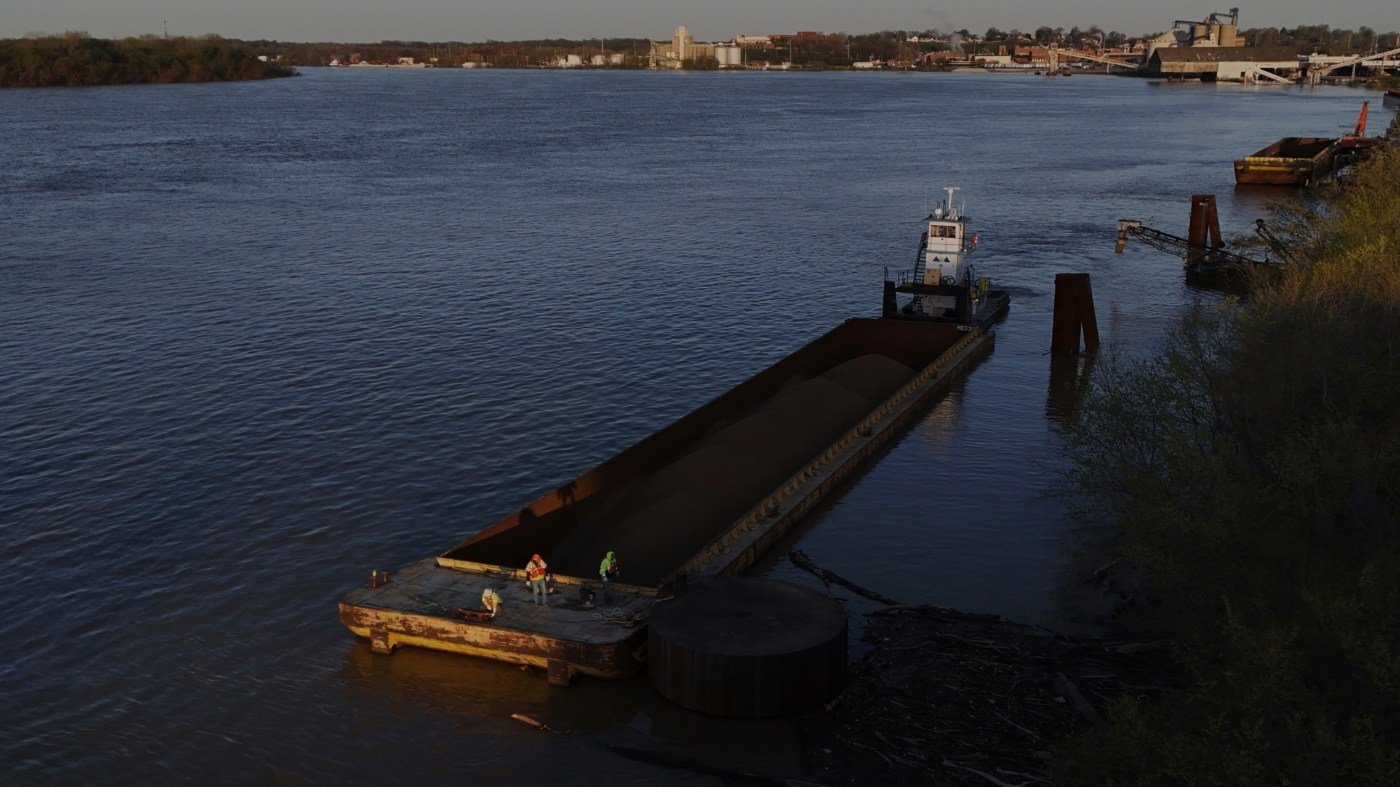
The bipartisan Ohio River Restoration Program Act, sponsored by Sens. John Fetterman (D-Pa.) and Todd Young (R-Ind.), aims to remediate toxic substances, protect drinking water, restore fish and wildlife habitat, and expand public access. It proposes $350 million in annual funding—less than half of what New York offers in film tax credits each year ($700 million).
As Congress weighs spending priorities, the choice is clear: subsidize an industry that can relocate at will, or invest in lasting community assets that cannot be offshored. The evidence suggests that environmental cleanup offers a far better return on taxpayer dollars.