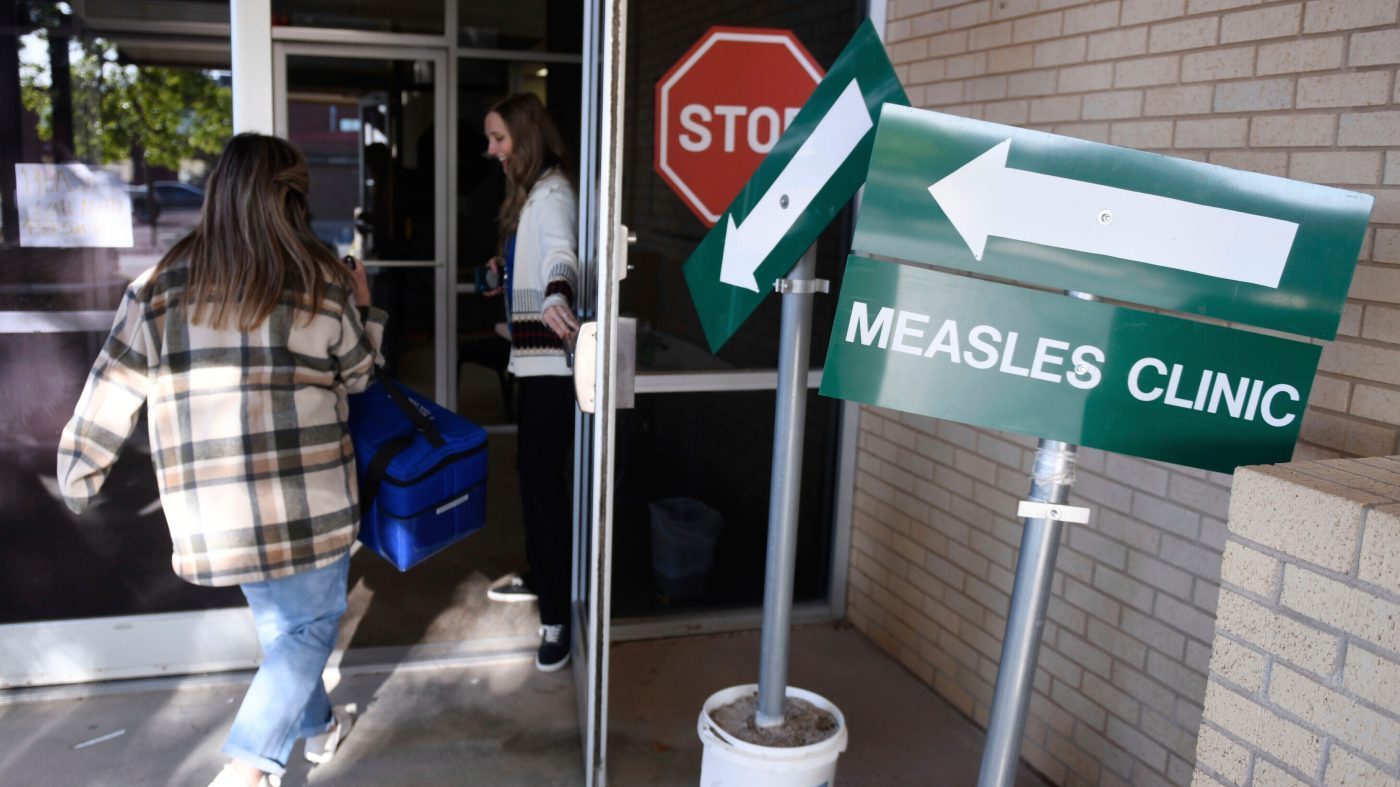
Pennsylvania's health department has formally initiated a request for emergency federal assistance to combat a rapidly escalating measles outbreak, but the move comes with a politically charged condition: the Centers for Disease Control and Prevention must publicly acknowledge the four deaths linked to the disease in the state—something the agency has so far declined to do.
In a letter to the CDC, Pennsylvania Secretary of Health Debra Bogen stressed the need for a "respectful, transparent, and factual communication" between state and federal officials, warning that the CDC's refusal to recognize the fatalities undermines the state's response. "The CDC's choice not to publicly recognize the deaths undermines our response," Bogen wrote. "For this reason, if CDC is unable to transparently and accurately communicate information about those measles-associated deaths, the Department will respectfully rescind our request for a CDC Epi-Aid."
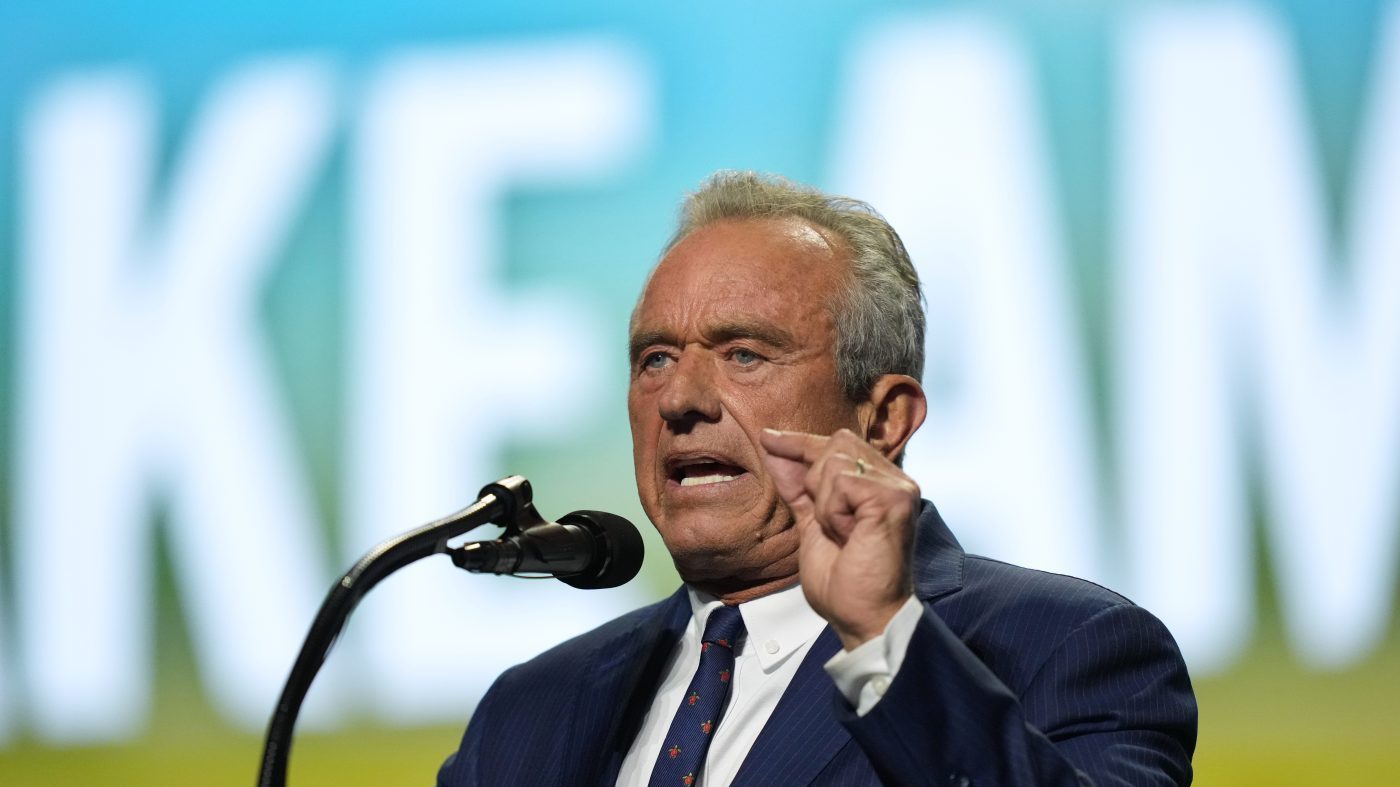
The request, known as an Epi-Aid, is typically deployed to provide surge staffing and technical expertise during outbreaks. But the condition attached has turned the public health emergency into a flashpoint in an ongoing political battle between Democratic Governor Josh Shapiro—a potential 2028 presidential contender—and Health and Human Services Secretary Robert F. Kennedy Jr.
Kennedy has openly questioned whether the deaths in Pennsylvania were directly caused by measles, accusing Shapiro of politicizing the outbreak. The CDC has followed suit, excluding Pennsylvania's fatalities from its weekly national measles death tally—a sharp departure from standard practice, where the agency typically accepts state-reported data without dispute.
Pennsylvania has so far managed the outbreak internally, declining previous federal offers of assistance. However, Bogen noted that the health department has maintained regular contact with CDC staff and has already submitted two requests for technical support.
The Department of Health and Human Services pushed back sharply on the conditional request. Spokeswoman Emily Hilliard said the CDC has not received a formal Epi-Aid request "through its normal channels," and accused the state of engaging in "political blackmail."
"CDC will not submit to political blackmail that conditions critical public health assistance. The people of Pennsylvania should never be used as leverage in a political dispute over how deaths are classified," Hilliard said. "CDC will not allow Governor Shapiro to politicize this process. We owe the American people accurate, consistent, and transparent public health information."
Public health experts and former CDC officials have called the dispute highly unusual, noting that the agency's challenge to state classification could have lasting repercussions for how states interact with federal health authorities. The CDC has said it is working with the Council of State and Territorial Epidemiologists to develop a standardized definition for measles deaths, with any fatalities only counted if the National Center for Health Statistics determines measles was the underlying cause based on death certificate data.
As of Wednesday, Pennsylvania has confirmed 731 measles cases across 38 counties this year, with four deaths reported as of Tuesday. The outbreak has become a central test of federal-state coordination during a period of heightened political tension over public health policy.