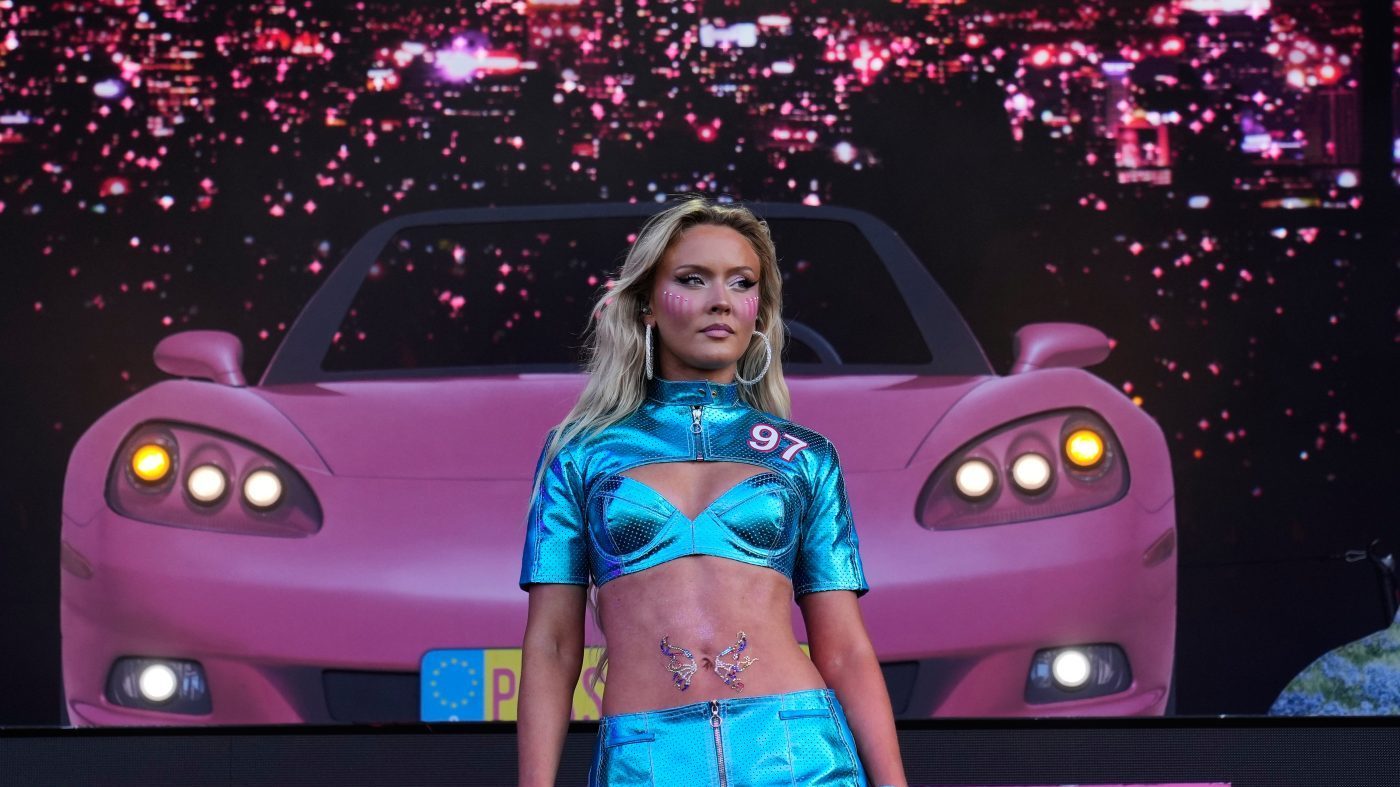
Swedish pop sensation Zara Larsson publicly rebuked the White House on Thursday after her track “Midnight Sun” was used in a social media video showcasing immigration enforcement actions. The clip, posted to the administration's official TikTok account, depicted Immigration and Customs Enforcement (ICE) agents detaining and handcuffing individuals while the song played in the background. The caption, “Never ending deportations,” was a direct play on a lyric from the song.
Larsson quickly responded on her own TikTok, expressing distress over the portrayal. “I'm just sad. My heart is heavy seeing that,” she said. “I wish I could help you remember that you and I, we aren't that different. And we're not that different from the people in the video, either.” The singer, who was born in Sweden, emphasized that she benefited from access to education and opportunities, and argued that many immigrants are simply seeking better lives for themselves and their families.
“These people in the video are real people,” Larsson said, pointing to one individual shown wearing construction gear. “These people who are undocumented are regular people with jobs, and they're just trying to have a better future.” She also took issue with the White House pairing her music with the footage, noting that “Midnight Sun” was intended to evoke a sense of connection to nature, the universe, and humanity.
“This just creates this massive divide between people,” Larsson said, before closing her video with a blunt dismissal of those responsible for the post, calling them “f---ing losers.” This is not the first time the White House has drawn her ire. Earlier this year, her 2015 hit “Lush Life” was used in a video featuring President Trump and messages supporting ICE and law enforcement. Larsson responded at the time with a profanity-laced Instagram post in which she declared, “I f---ing hate ICE.”
The Trump administration has repeatedly used popular songs to accompany its immigration-related social media content, a practice that has sparked objections from several artists. Pop star Ariana Grande also criticized the White House after her song “Bye” was used in a similar ICE deportation video, urging the administration not to associate her music with what she called “barbaric, inhumane, heinous nonsense.”
The use of music in political messaging has become a recurring flashpoint, with artists often asserting their rights over how their work is deployed. The White House, however, has shown little inclination to alter its approach, continuing to leverage popular culture to amplify its policy positions. This latest incident underscores the ongoing tension between the administration and the entertainment community, particularly over immigration enforcement.
Larsson's comments come amid broader debates over immigration policy and the treatment of undocumented individuals. The singer's remarks highlight the human dimension of enforcement actions, a perspective that resonates with many of her fans and critics alike. As the White House continues to use social media to project its agenda, the backlash from artists like Larsson and Grande suggests that such tactics may carry political costs, even as they energize the administration's base.
For now, Larsson's rebuke has added another layer to the ongoing cultural and political friction surrounding immigration. Whether the White House will heed these critiques remains uncertain, but the pattern of artists objecting to the use of their music in this context is unlikely to fade. The intersection of pop culture and policy, as this episode shows, remains a volatile and highly visible arena for political expression.