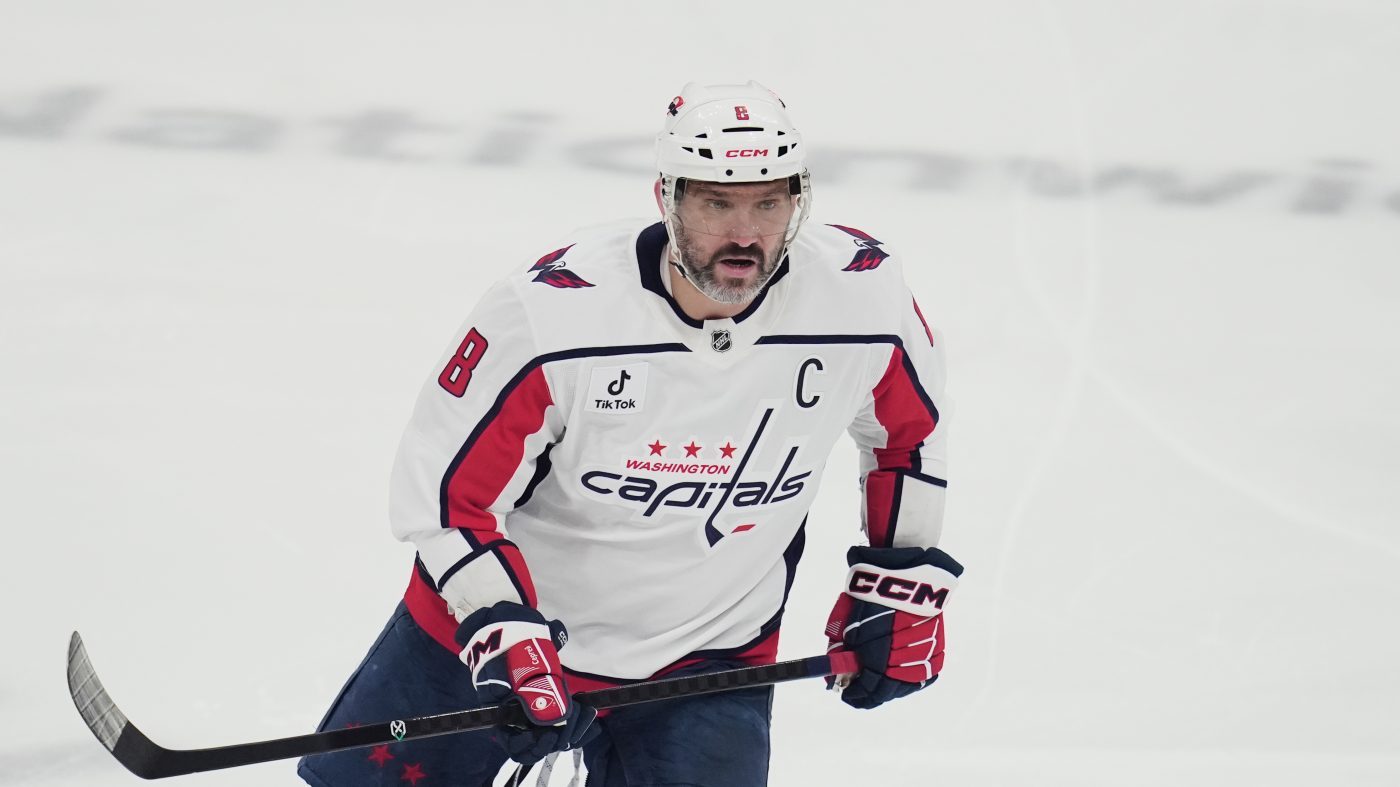
Latvia has moved to block Washington Capitals forward Alex Ovechkin from entering the country, days after he featured in a campaign spot for United Russia, the political party led by Russian President Vladimir Putin. The Baltic nation's foreign ministry announced Thursday that Foreign Minister Baiba Braže had placed Ovechkin and International Boxing Association (IBA) President Umar Kremlev on its list of personae non gratae, barring them from entry indefinitely.
The ministry's statement cited Latvia's immigration law but offered no specific rationale for the ban. Both men are Russian nationals, and Latvia, a NATO member sharing a border with Russia, has taken a hard line against Russian figures since Moscow's full-scale invasion of Ukraine in 2022.
The decision came on the same day Ovechkin faced questions about his role in the United Russia advertisement, which also featured Russian Foreign Minister Sergey Lavrov and former Soviet hockey star Viacheslav Fetisov. The 41-year-old winger, the NHL's all-time leading scorer, said he did not hesitate when asked to appear. "They asked me to do that. I say yes," he told reporters at the Capitals' media day. "So it's as simple as that."
Ovechkin's ties to Putin have drawn scrutiny for years. In 2017, he launched a pro-Putin movement called "Putin Team." When pressed on the ad, he said, "I'm Russian, and I support my country," adding, "I'm for peace and love."
The controversy has spilled into U.S. politics. Rep. Joe Wilson (R-S.C.) has called on NHL Commissioner Gary Bettman to investigate Ovechkin for supporting Putin, whom the lawmaker labeled a "criminal" due to the war in Ukraine. The ad also drew attention because Kremlev, the IBA head, reportedly helped finance the wedding of Donald Trump Jr. and his wife Bettina. That connection has fueled questions about Russian influence in U.S. circles, though no direct link to the Trump administration has been established.
Latvia's action is part of a broader pattern. Since 2022, the country has barred numerous Russian nationals, and in 2025 it ordered more than 800 Russian citizens to leave after they failed to prove Latvian language proficiency. The ban on Ovechkin and Kremlev appears to be a targeted move against high-profile figures with close ties to the Kremlin.
Kremlev, whose IBA has been financed by Russia's state-owned gas giant Gazprom, has faced his own controversies, including governance disputes within the sport. His inclusion on the blacklist underscores Latvia's willingness to act against those seen as enablers of Putin's regime.
The NHL has not yet commented on Latvia's decision, but the league may face pressure to address Ovechkin's political stance, especially as midterm election dynamics and foreign policy tensions dominate headlines. Ovechkin's future travel to Latvia, a regular stop for NHL players during international tournaments, is now in doubt.