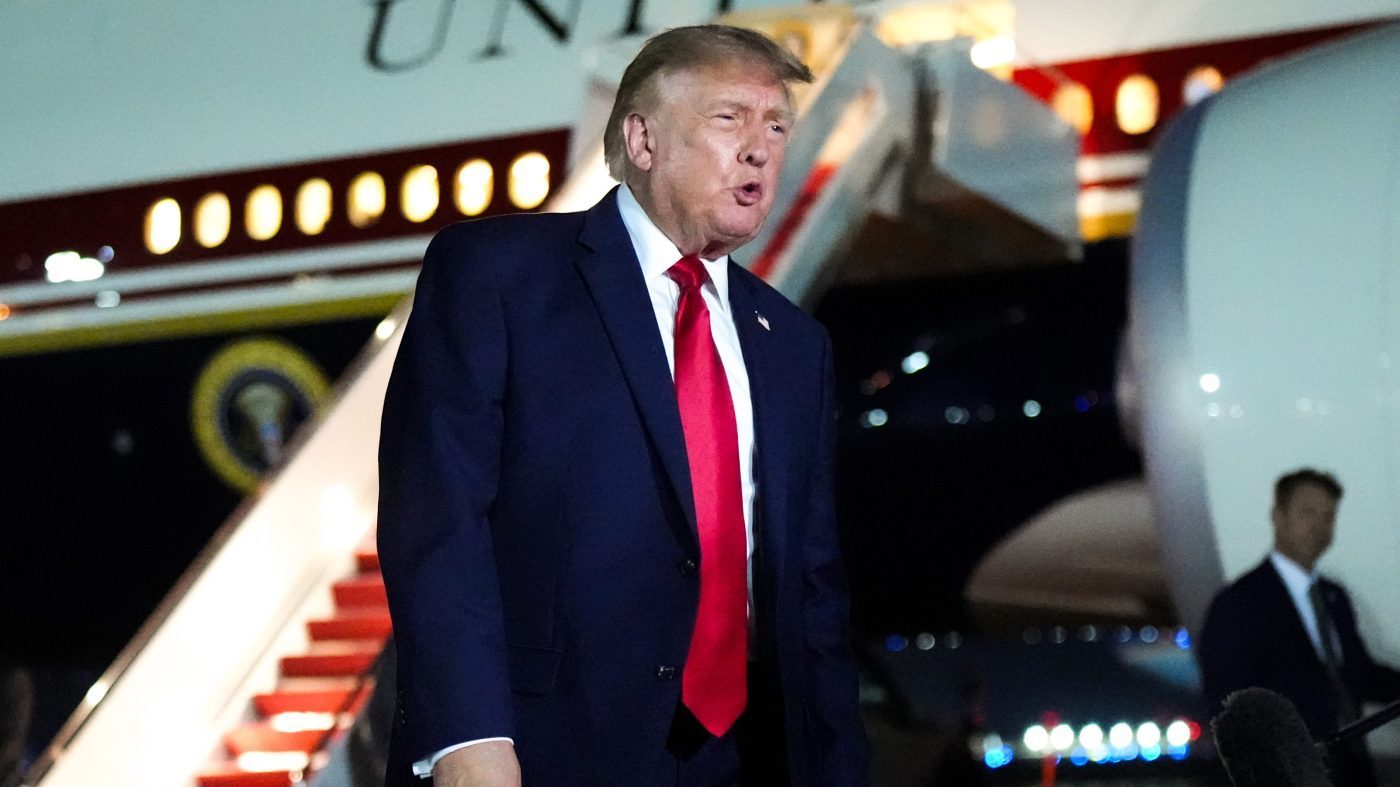
President Trump said Thursday that he is approaching a pivotal choice in the ongoing U.S. military engagement in Iran, suggesting that a major escalation remains on the table.
"I have a big decision coming up. Do I want to go in and annihilate them [the Iranian regime] or do I not? It's a big decision. Anything could happen with me," Trump told Axios in an interview.

The remarks land as the administration prepares for high-level diplomatic talks on the sidelines of the United Nations General Assembly next week, where Trump is expected to meet with leaders of six Gulf nations. The discussions come amid persistent conflict that shows no signs of winding down.
At home, the economic fallout is becoming harder to ignore. According to AAA, the national average price for regular gasoline jumped from $4.31 to $4.43 in just four days this week, while diesel prices surged by 42 cents over the past week. These increases are putting Republicans on the defensive as Democrats seize on affordability concerns ahead of the midterm elections.
Trump, however, is framing the higher costs as a necessary trade-off. Speaking at a rally for GOP Senate nominee Michael Whatley in Gastonia, North Carolina, on Wednesday, he told supporters that elevated gas prices are a "very inexpensive price to pay" for the war. "Remember that. It's a little more. Frankly, even if it was a lot more," he said.
He also predicted that prices would soon fall sharply, saying, "But that's going to come tumbling down. That's going to be like rocket ships in reverse."
The president's comments echo his earlier defense of the conflict, but the timing is politically sensitive. With inflation still a top concern for voters, the administration is facing pressure to address energy costs while maintaining a hawkish posture abroad. The issue is likely to feature prominently in campaign ads and debates in the coming weeks.
Analysts note that Trump's bellicose language could further unsettle international allies and adversaries alike, even as his administration explores diplomatic avenues. The upcoming UN meetings may offer a clearer picture of whether the "big decision" he refers to will be a military one or a shift toward negotiation.
For now, the president appears to be keeping all options open, leaving both domestic and international observers guessing about the next move in a conflict that continues to shape the political landscape.