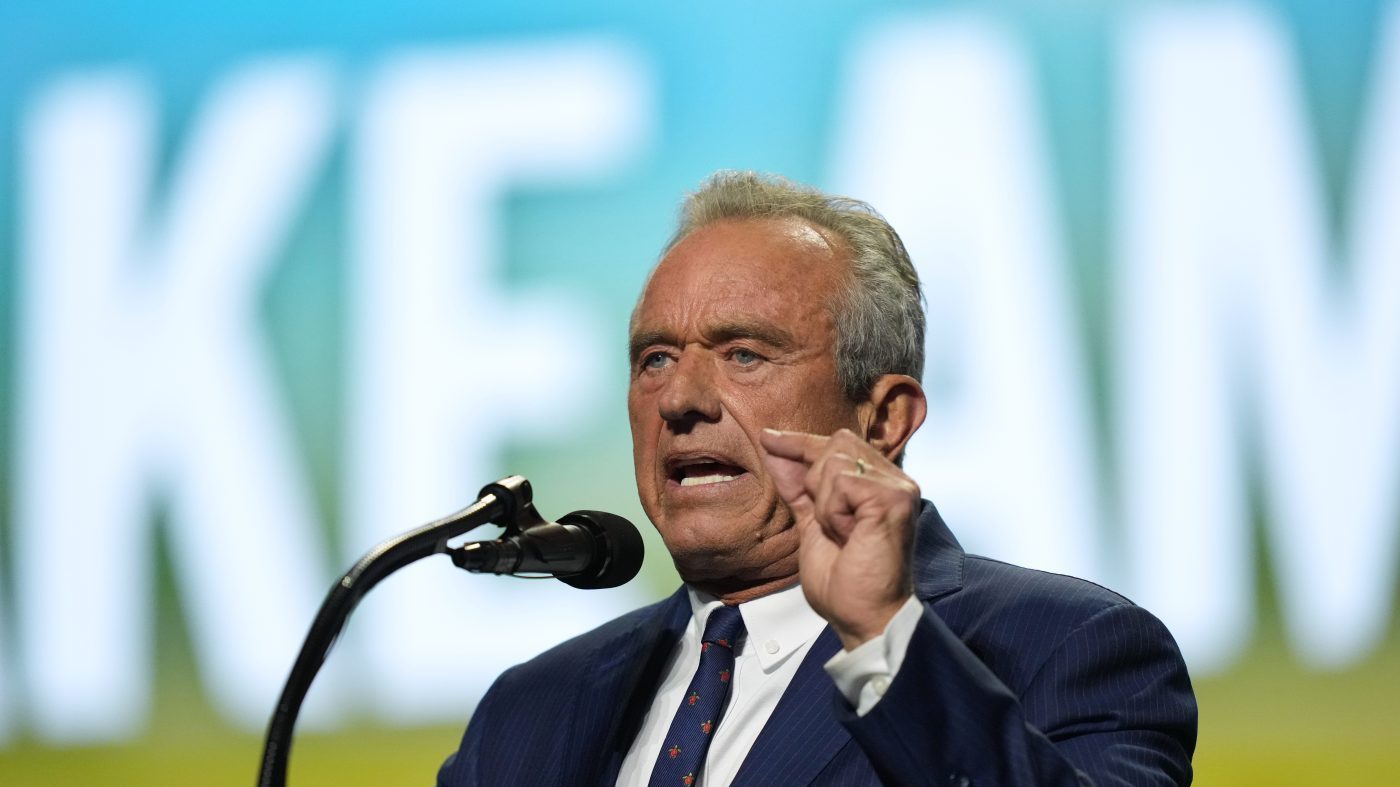
Health and Human Services Secretary Robert F. Kennedy Jr. on Thursday named eight new members to the U.S. Preventive Services Task Force (USPSTF), the influential expert panel that determines which preventive medical services insurers must cover at no cost to patients. The appointments mark a significant shift: for the first time, the panel will include physician specialists, not just primary care doctors, a move that has drawn both praise and concern.
“We are strengthening the Task Force to ensure it asks hard questions, follows the evidence wherever it leads, and maintains the highest standards of scientific integrity,” Kennedy said in a statement. The new roster includes specialists in oncology, cardiology, and gastroenterology, as well as a finance professor with expertise in health insurance and health policy, though he lacks a medical degree. Seth Corey, a pediatric hematologist-oncologist at the Cleveland Clinic, has been appointed as the new chair.

The American Medical Association (AMA) quickly responded, emphasizing the need to preserve a strong primary care voice on the panel. “We believe maintaining a strong primary care voice must remain central to its work,” said AMA President Willie Underwood III. “As the USPSTF moves forward, its recommendations must continue to be based on a transparent, rigorous, independent scientific process and informed by the perspective of physicians who deliver preventive care to patients every day.”
The task force reviews scientific evidence and issues recommendations on services like cancer screenings and HIV prevention medications. Under the Affordable Care Act, insurers must cover services that receive an A or B grade without charging patients. Kennedy has long criticized the panel, telling a House committee in April that it has been “lackadaisical” and failed to recommend early screening for Alzheimer’s disease. He has also said he is bringing in new members with a “clear mission,” though he has not elaborated.
Former members have alleged that HHS has blocked the panel from starting new topics and suppressed the release of four updated guidelines, including revised recommendations on cervical cancer screenings. Kennedy has prevented the panel from meeting for over a year and left vacancies unfilled, and in May he fired the task force’s two top leaders. Without its chair and vice chair, the Agency for Healthcare Research and Quality (AHRQ) Director Roger Klein, a political appointee, has been overseeing the panel’s work.
AcademyHealth, a nonprofit representing health policy researchers, raised concerns about the selection process. “The public should be able to see how the new members were chosen and vetted,” the organization said in a statement. “The Task Force has established procedures for disclosing and managing conflicts of interest. Those disclosures, and the process used to evaluate them, should be public.” The group also noted that AHRQ, which provides scientific support to the task force, has lost significant staff and had more than 150 research grants canceled over the past year. “Appointing new members doesn’t undo any of that. The best-qualified panel in the world still needs rigorous, current evidence to evaluate. Without it, there’s nothing to grade,” AcademyHealth said.
The overhaul comes amid broader turmoil at the Kennedy Center, where Democrats are demanding answers over its closure and leadership battles. Kennedy’s actions on the task force have also drawn scrutiny from lawmakers and public health experts, who worry about the politicization of scientific recommendations. The new members will face the challenge of rebuilding trust and resuming the panel’s critical work, but critics argue that without adequate staffing and evidence, the task force’s future remains uncertain.