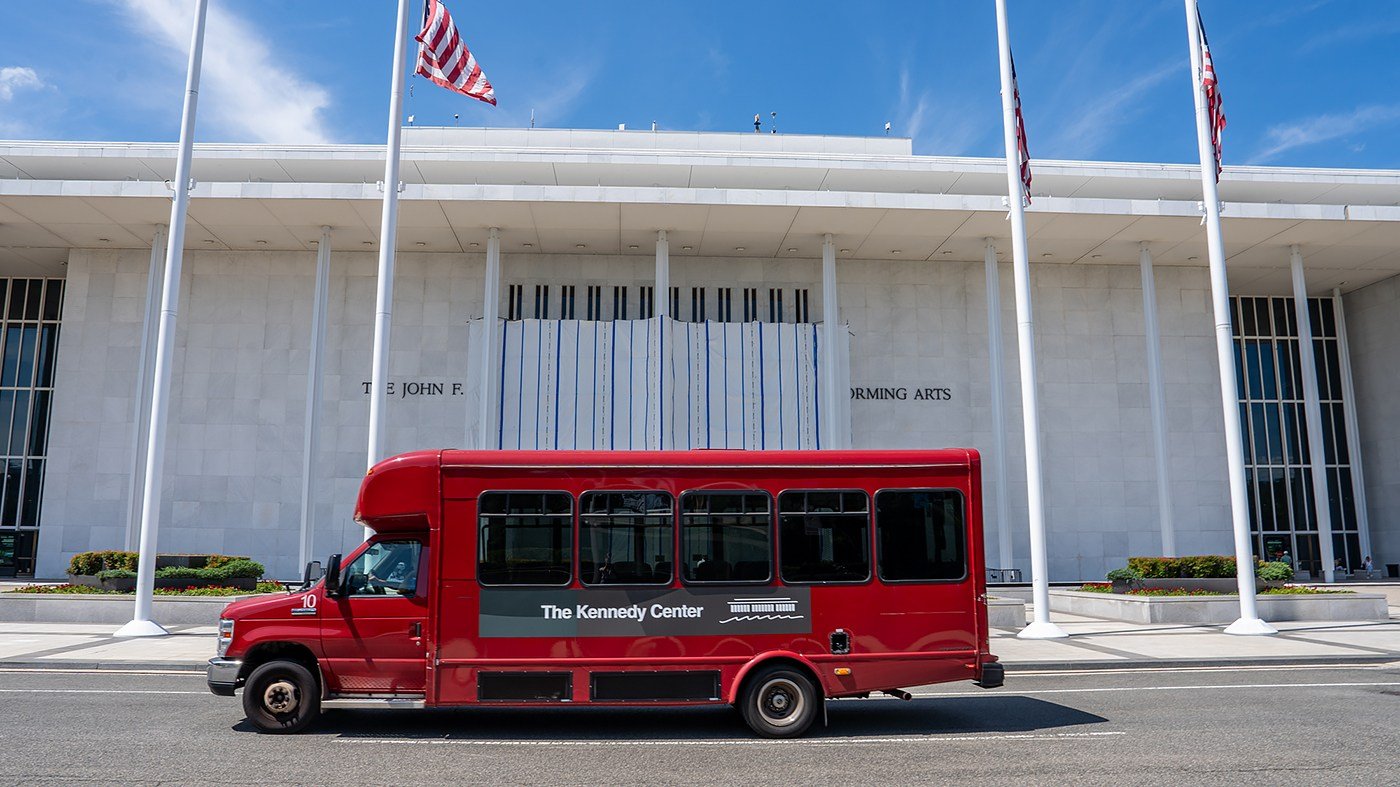
The battle over the Kennedy Center intensified Wednesday as congressional Democrats pushed for an emergency court hearing to challenge the sudden closure of the iconic Washington venue, accusing the Trump-aligned board of defying a federal judge's orders.
Rep. Joyce Beatty (D-Ohio), an ex officio board member who has repeatedly clashed with the board's leadership, filed an emergency request asking U.S. District Judge Christopher Cooper to compel the center's management to explain why the building was shuttered to the public. The move came after a staff attorney for Beatty's legal team was turned away at the door by security, who cited ongoing interior construction.
In a joint statement, attorneys Nathaniel Zelinsky and Norm Eisen argued that the closure "appears to directly violate" Cooper's order. "This is an assault on the rule of law," they said. "The board cannot simply ignore Judge Cooper's rulings whenever it suits them. In this country, no one — including the president — is above the law."
The Justice Department has been ordered to respond by Thursday morning, and Beatty's team is seeking the presence of a "high-level decisionmaker" from the Kennedy Center if a hearing is convened.
The escalation unfolded less than a day after Cooper rejected the board's latest attempt to inscribe President Trump's name on the building without congressional approval. It marked the second time the judge had blocked the name addition, having previously ordered in late May that Trump's name be removed from the facade. Shortly after that ruling, the board voted to immediately close the main building.
Beatty later revealed that she and Trump engaged in a heated exchange during the board vote, with the president resorting to personal insults. "He has a limited vocabulary, so, you know, he knows words like 'dumb,' and things like that," she told NewsNation. "I was surprised that the board people let it go on."
Administration officials have defended the closure as necessary for safety repairs, pointing to a video posted by Commerce Secretary Howard Lutnick showing a section of ceiling collapsing. A White House official said the center would remain closed for "at least seven days" to conduct a safety evaluation.
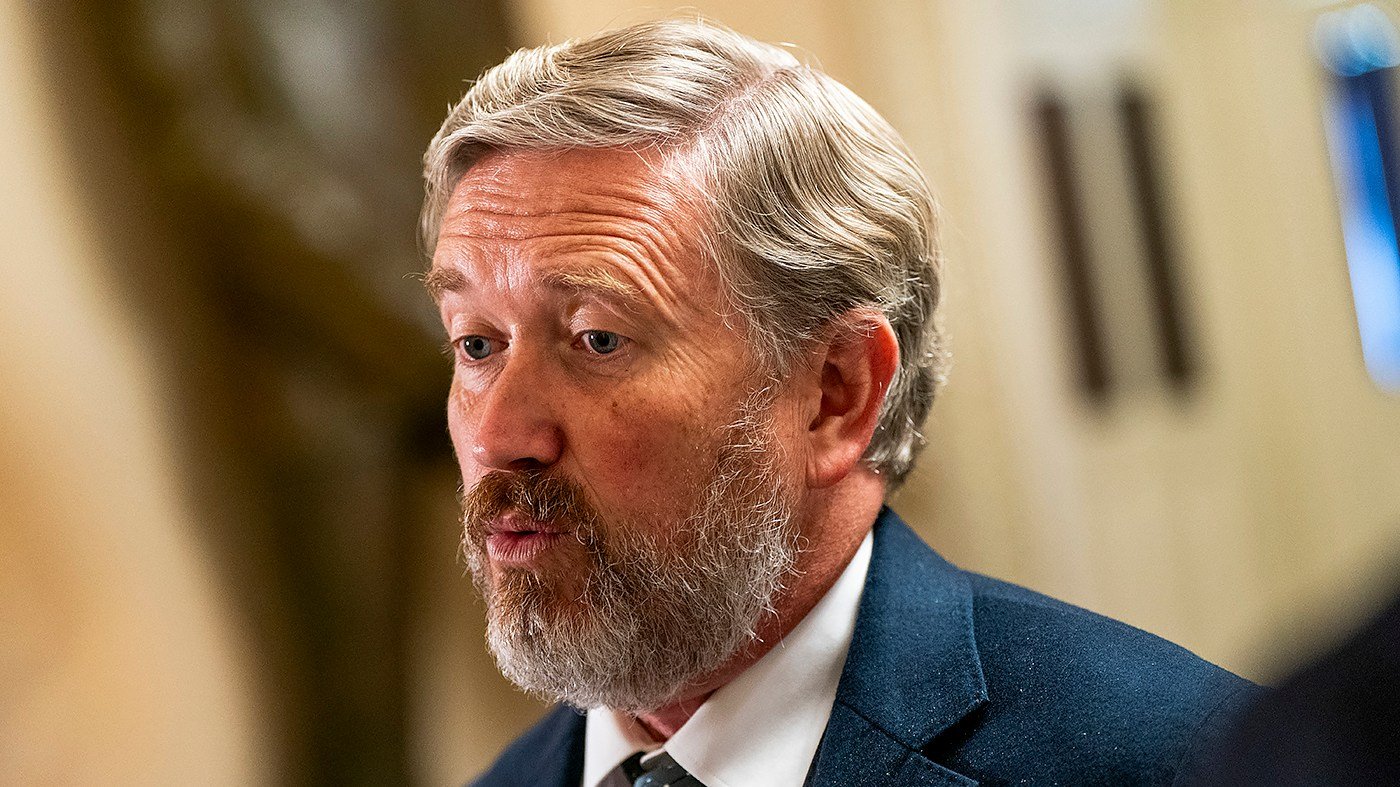
But the president has linked the renovations to his demand for naming rights, stating on Truth Social that $17 million in donations had been deposited into the center's account to "keep it afloat." However, Congress appropriated roughly $257 million for repairs last year, with funds available through 2029. Georgetown law professor David Super called Trump's refusal to use those funds "the equivalent of going on strike," adding, "It's just an act of defiance. It has no legal basis at all."
Super said the board's options are limited. Getting Congress to amend the Kennedy Center statute is unlikely, he noted, given bipartisan reluctance and the threat of a Democratic filibuster. He suggested Judge Cooper could appoint a receiver to oversee the center or hold board members in contempt if they continue to ignore court orders.
"Frankly, I see it finishing either with a receiver being appointed to take over it, or with Trump sending a wrecking ball over there," Super said.
As the legal standoff continues, the political stakes are rising. The dispute has become a flashpoint in the broader fight over presidential power and institutional norms. For now, the Kennedy Center remains fenced off, its future uncertain as courts and Congress weigh in.