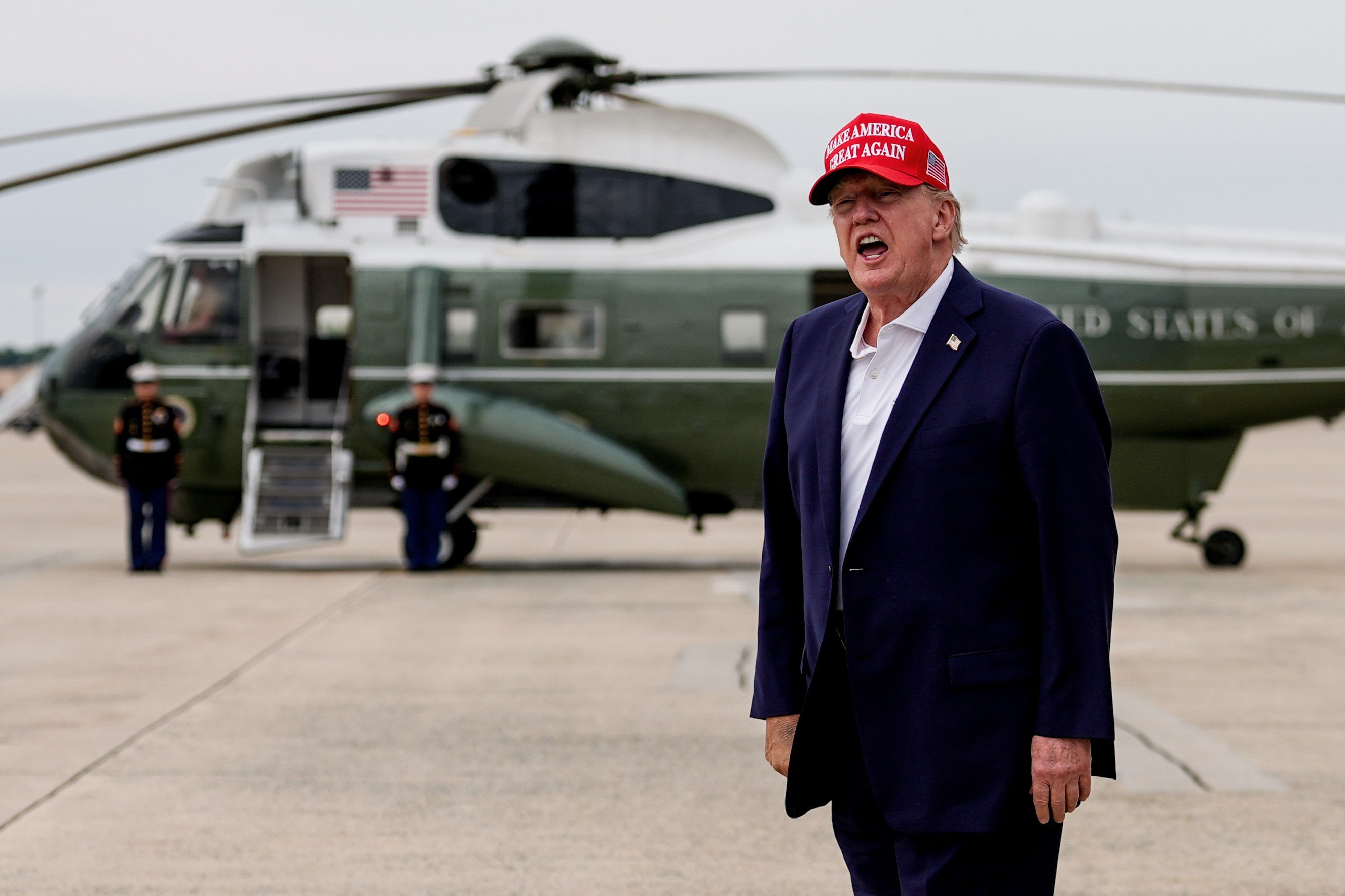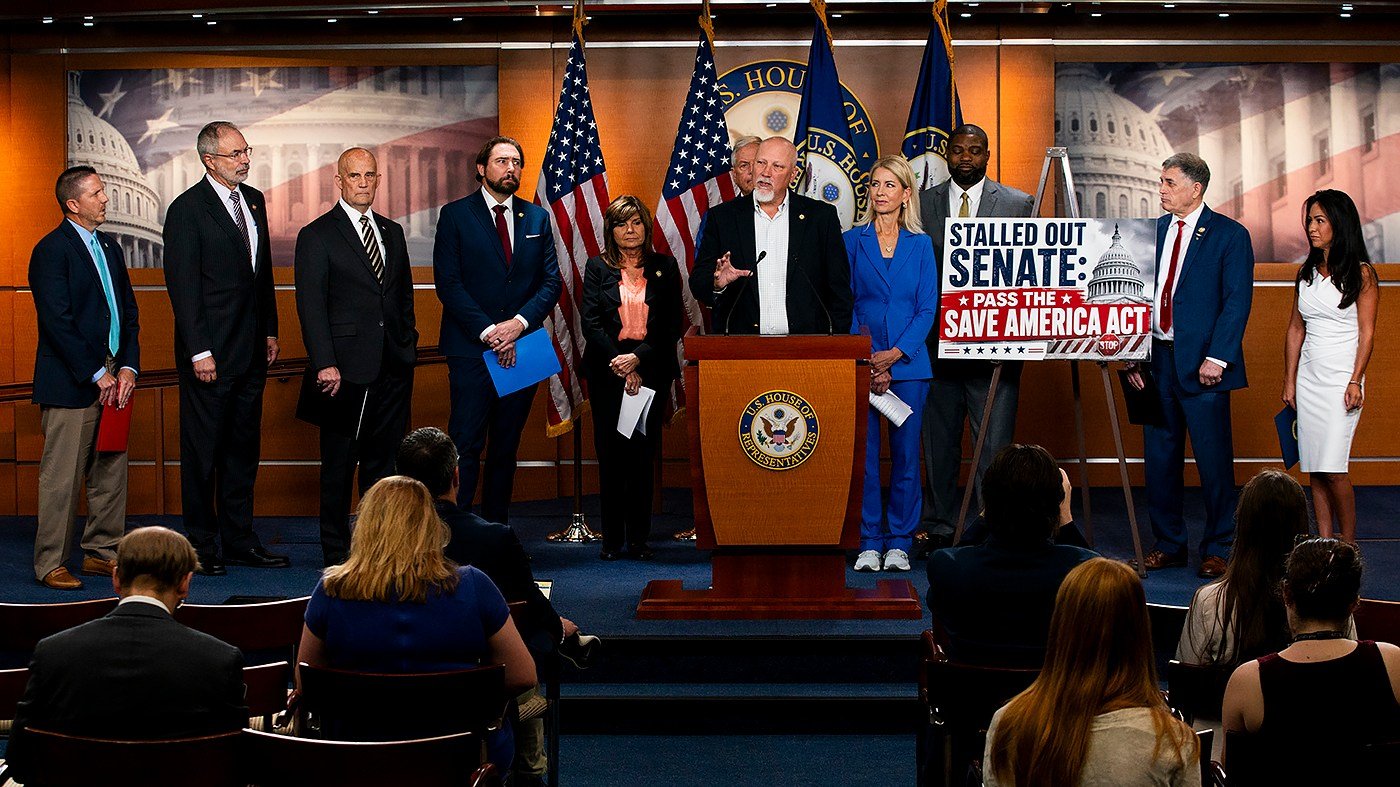
President Trump's demand that Senate Republicans eliminate the filibuster—a procedural tool that has shaped the chamber for over two centuries—to advance legislation such as the SAVE Act is drawing sharp criticism from constitutional experts. Thomas Jipping, a senior legal fellow at Advancing American Freedom, argues that scrapping extended debate would permanently weaken the Senate's ability to check government power, sacrificing long-term stability for short-term political gains.
The filibuster, which allows senators to delay or block votes, has been a cornerstone of the Senate's deliberative design since the early 19th century. The Founders intentionally created a bicameral legislature with different rules for each chamber, envisioning the Senate as a more thoughtful, slower-moving body than the House. Extended debate was seen as a safeguard against hasty or radical legislation, ensuring that the majority could not steamroll minority interests without thorough consideration.

Jipping's analysis, published by Advancing American Freedom, highlights how both parties have used the filibuster to block significant initiatives when in the minority. For instance, Republicans have used it to stop Democratic proposals on labor unions, election reform, immigration, and climate change. If the threshold to end debate were lowered from 60 votes to a simple majority, Jipping contends, much of that legislation would have become law, fundamentally altering the political landscape.
The Senate has adjusted its cloture rules periodically, but always through the established process with bipartisan support. The current push, however, would require the so-called "nuclear option," a parliamentary maneuver that reinterprets the existing rule to allow a simple majority to end debate. This approach, Jipping warns, would bypass the regular amendment process—which requires 67 votes for rules changes—and set a dangerous precedent for partisan retaliation.
"Rigging the rules in this way, so that any partisan majority can get whatever it wants, would create all sorts of long-term problems," Jipping writes. He points to the SAVE Act, which would require proof of citizenship to register for federal elections, as a case in point. If the filibuster were eliminated, a future Democratic majority could repeal it without Republican obstruction, leading to a cycle of legislative whiplash as power changes hands.
Senate control has shifted between parties at least ten times since the cloture rule was adopted, and neither party has held both Congress and the White House for more than four years since 1969. Jipping argues that without the filibuster, slim majorities would face no obstacle to enacting their full agenda, undermining the stability that the Founders sought to create. "If winning is everything, too much power is likely to end up in too few hands," he warns, echoing James Madison's reflection on human nature.
In 2017, 61 senators signed a letter defending extended debate, citing the Senate's unique role in the legislative process. Twenty-seven of those signers still serve today, and Jipping urges them to uphold that commitment. As the debate over the filibuster intensifies, the question remains whether the Senate will preserve its deliberative character or yield to the pressures of partisan expediency.