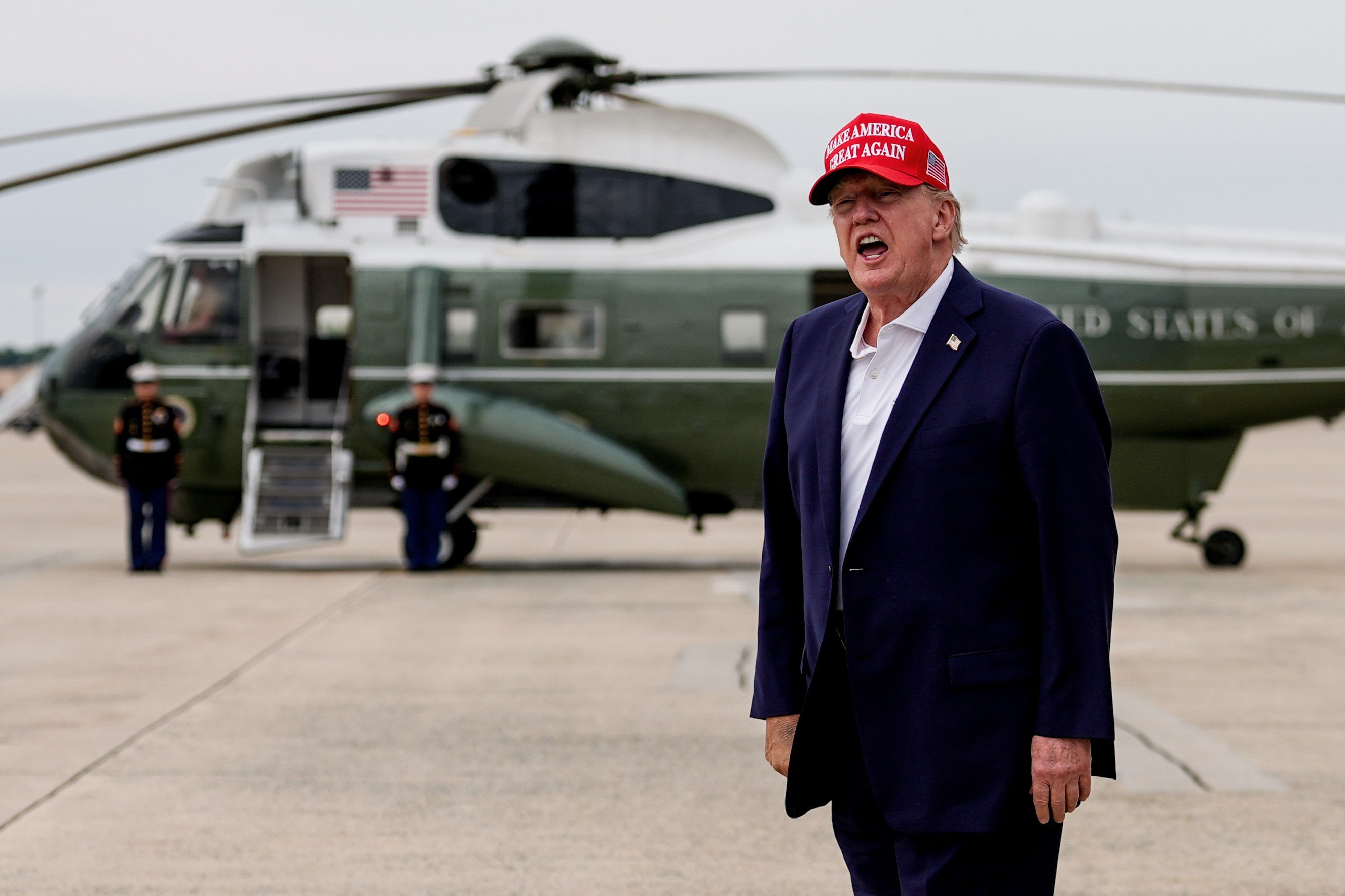
President Trump's latest clash with CNN's Kristen Holmes in the Oval Office—where he repeatedly told her to "be quiet" and dismissed her network as "fake news"—is just the most recent episode in his long-running war with the media. Days earlier, he took to social media to demand that the FCC punish NBC's Kristen Welker for suggesting his primary endorsement record was "mixed," a characterization he disputes. But Welker's comment is protected by the First Amendment, and the FCC is unlikely to take action against a journalist for editorializing.
Trump's grievances with the press are not without basis. Outlets like CNN, The New York Times, and the major broadcast networks have indeed shown a measurable bias against him, as documented by the Media Research Center. Yet the Constitution's guarantee of a free press means these outlets are legally entitled to be unfair, sloppy, or even hostile. That is the price of a system that prioritizes robust debate over official truth.
Trump is not the first president to feel besieged by the media. Thomas Jefferson, a staunch defender of press freedom, complained in his second inaugural address about the "demoralizing licentiousness" of newspapers and urged citizens to ignore those that trafficked in "false opinions in league with false facts." But Jefferson confined his battle to rhetoric—he did not sue.
Trump has taken a different path. His presidency has been marked by an unprecedented wave of litigation against news organizations, including The Wall Street Journal, The New York Times, CNN, and even the BBC. He has sought billions in damages, but his chances of winning are slim. The Supreme Court's 1964 ruling in New York Times v. Sullivan established the "actual malice" standard, requiring public figures to prove that journalists knowingly published falsehoods or acted with reckless disregard for the truth. That is a high bar, and Trump has rarely cleared it. A federal judge dismissed his $3.8 billion suit against The Washington Post this summer for lack of "convincing evidence of actual malice."
Trump has collected settlements from ABC ($15 million) and CBS ($16 million), but those were likely business decisions by networks eager to avoid the cost and distraction of prolonged litigation, not admissions of guilt. They were relatively small sums for corporations of that size.
So why does Trump keep suing? The answer may be less about legal victory than about inflicting pain. Lawsuits force newsrooms to spend time and money on defense, generate headlines that feed Trump's narrative of victimhood, and play well with his base. The strategy has not, however, produced a "chilling effect" on critical coverage. If anything, outlets have doubled down on their scrutiny of the president, as seen in recent reporting on his foreign policy moves and administration's management.
Jefferson's advice to presidents was to leave unfair journalists "to find their punishment in the public indignation," arguing that "public duties more urgent press on the time of public servants." Trump, who has pressing international issues and political challenges at home, might do well to heed that counsel. The presidency offers a bully pulpit, but it also demands focus. Continuing to swat at the press is a distraction from the job he was elected to do.