The Trump administration paid out an estimated $6.7 billion to federal employees who accepted buyouts and stopped working, according to a new government watchdog report. The Government Accountability Office (GAO) released its findings on Tuesday, detailing how the administration's deferred resignation program—modeled on a tactic used by Elon Musk at X—led to a dramatic spike in paid leave costs.
The report shows that federal workers' use of paid administrative leave jumped by 435% during the first two years of the Trump administration. In 2023 and 2024, federal employees took roughly 4 million and 4.4 million workdays of paid leave, respectively. That number exploded to about 21.6 million workdays in 2025, a sixfold increase in salary costs attributable to such leave.
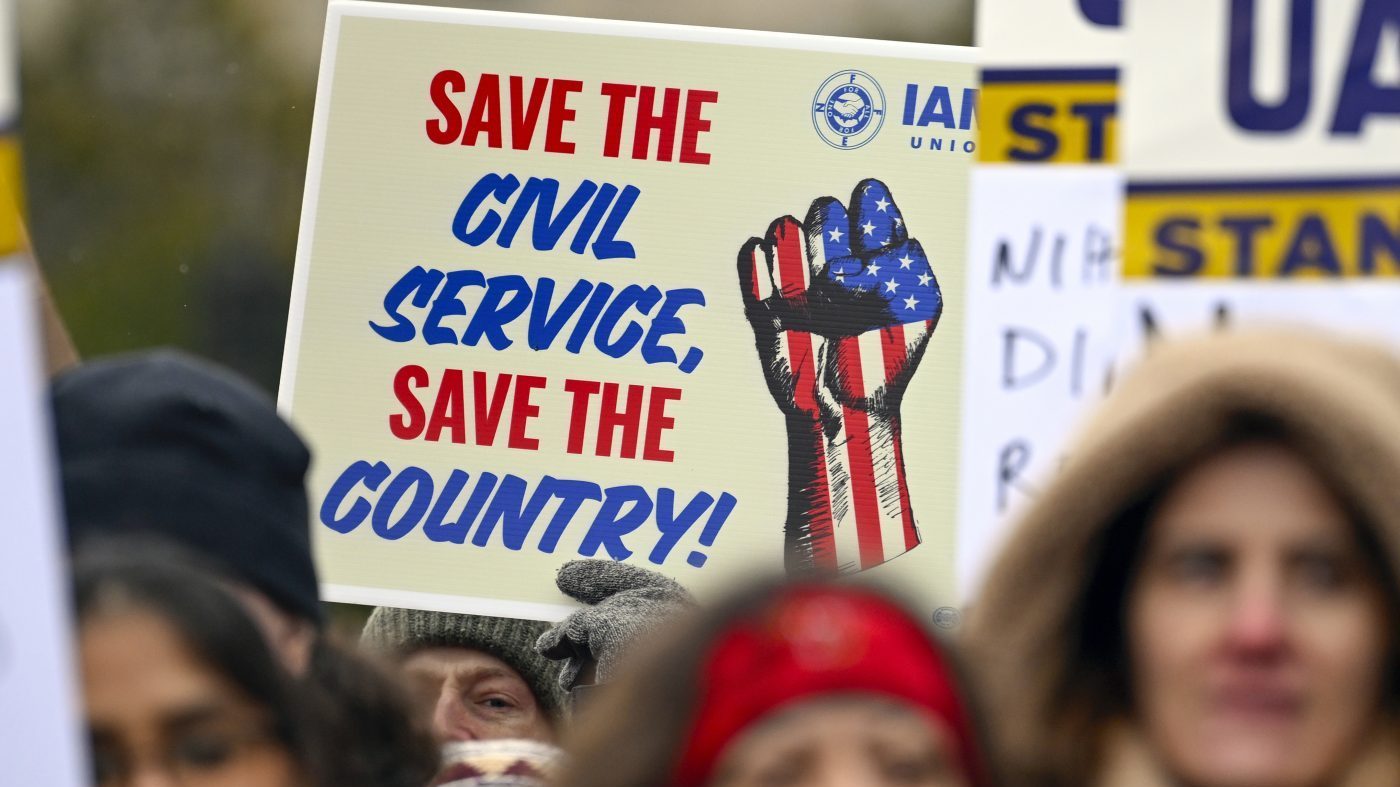
Under the deferred resignation program, federal workers were told they could resign immediately but continue receiving their salaries through the end of the fiscal year. Those who declined were warned they could face layoffs later. The program was part of the broader effort by the now-defunct Department of Government Efficiency (DOGE), led by Musk, to shrink the federal workforce.
GAO estimates that 144,312 federal workers took the deal. While the government spent a total of $9.5 billion on paid leave during the period, the watchdog calculated that $6.7 billion of that went specifically to those who accepted the deferred resignation offer.
The report also highlights a staggering increase in the number of employees taking extended leave. In 2023 and 2024, only 600 federal workers across the entire government took more than three months of paid leave. In 2025, that figure jumped to nearly 100,000.
The findings come as the federal workforce has shrunk by 12% under President Trump, but the GAO's analysis reveals that the exit push came with significant costs. The report notes that while the administration touted savings from DOGE's efforts, those savings were often overstated. An earlier GAO report in August found that DOGE's "wall of receipts" took credit for cost-saving measures that were already in motion before its creation, and that 96% of reported savings could not be verified.
The deferred resignation program drew comparisons to Musk's approach at X, where he offered employees similar ultimatums after acquiring the platform. Critics have questioned the legality and effectiveness of the program, and the GAO's latest report adds to the scrutiny. The pressure on federal workers has been a flashpoint, with some judges facing harassment in unrelated cases.
As the administration continues to tout its cost-cutting measures, the GAO's report underscores the trade-offs involved. While the workforce reduction may appeal to fiscal conservatives, the immediate financial outlay for paid leave raises questions about the true savings. The report also comes amid broader economic debates, including pressure on the Federal Reserve to cut rates, and promises of big government payouts to voters.
The GAO's findings are likely to fuel further debate over the effectiveness of DOGE's mission. With the program now ended, the focus turns to whether the long-term savings will materialize or whether the upfront costs will prove to be a poor investment. The report serves as a critical data point for lawmakers and taxpayers alike.