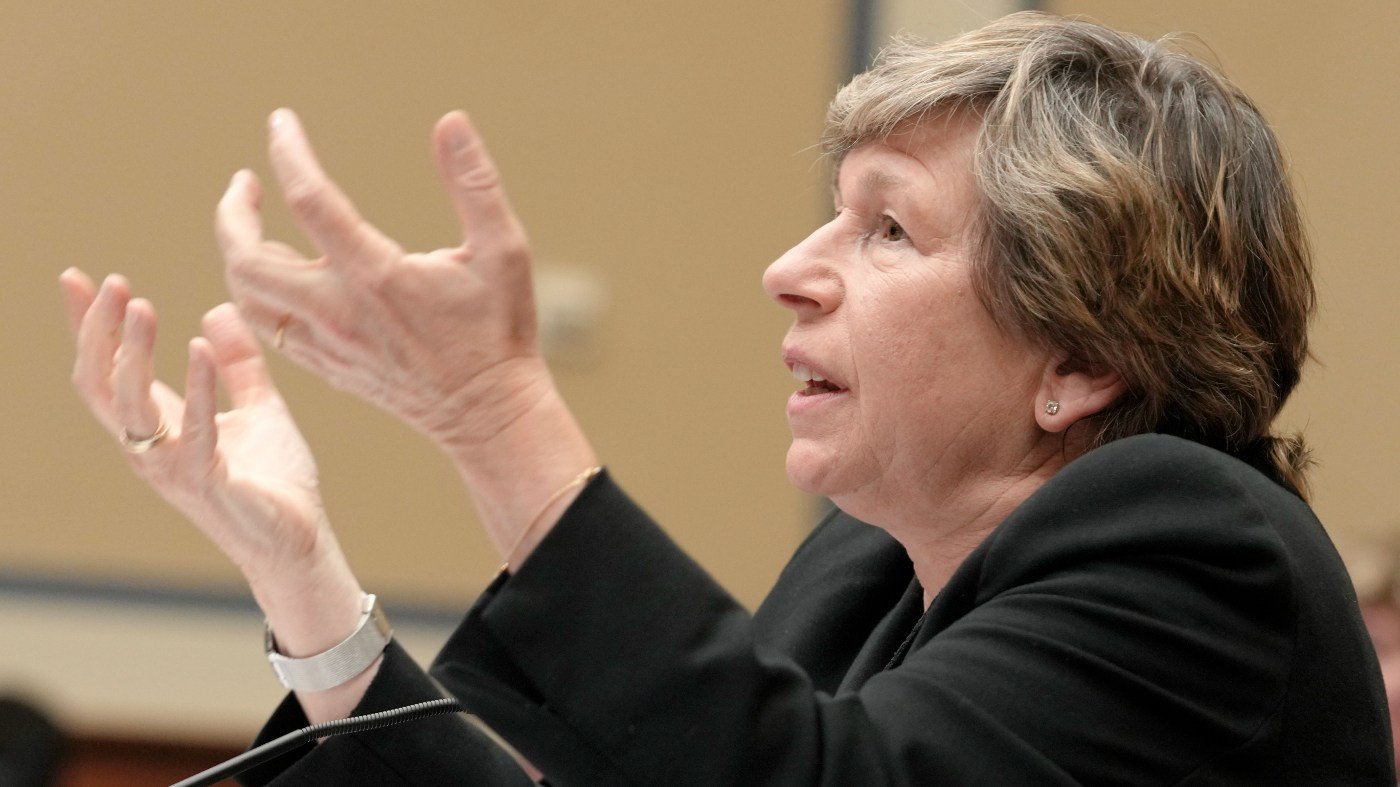
The head of one of the nation's largest teachers unions is urging caution as artificial intelligence becomes more embedded in classrooms, arguing that technology must serve human judgment rather than replace it.
Randi Weingarten, president of the American Federation of Teachers, told NewsNation that while educators need to understand AI, the core priority must remain fostering critical thinking and human connection among students. "The human beings have to be in charge of AI. The robots can't be in charge. The machines can't be in charge," she said. "AI as a generative technology cannot outstrip human decision-making."
Weingarten identified two primary concerns: the protection of student privacy and the risk of "cognitive offloading," where students rely on AI to complete assignments instead of developing their own analytical skills. She argued that children should not be tethered to screens all day, emphasizing that relationship-building and independent thought must come first. "Kids have to learn. They have to learn relationship building. They have to learn how to think," she said. "When they become thinkers, then they will become masters of AI. So thinking comes before the tool."
Schools are navigating a tricky landscape as AI becomes a staple in the workplace, offering both educational benefits and potential pitfalls like cheating and over-reliance. Early responses often included outright bans, but many districts have shifted toward integrating AI while using detection tools to monitor misuse. Weingarten's remarks reflect a broader debate among educators about how to balance technological literacy with foundational learning.
The union has taken steps to address these concerns, including a recent safety and privacy agreement with Microsoft to ensure that AI use in schools is secure and transparent. Weingarten stressed that parents deserve assurances that their children's data is protected, and she criticized the federal government for not taking a leading role. "This is one of the things that parents really want," she said. "The federal government should have been doing this. That's what Melania Trump should be championing. That's what Donald Trump should be championing."
The call for federal action comes amid broader discussions in Washington about AI regulation and education policy. As lawmakers weigh civil liberties reforms and courts consider voting rules, the intersection of technology and education remains a pressing issue. Weingarten's stance highlights the tension between embracing innovation and safeguarding the human elements of learning.
Experts note that AI's role in schools will likely expand, making it essential for educators to establish clear guidelines. Weingarten's message is a reminder that while AI can be a powerful tool, it must not undermine the development of independent, critical thinkers. As she put it, "AI cannot outstrip human decision-making," a principle that may shape future policy debates.