A second federal judge has halted the U.S. Postal Service's implementation of President Trump's executive order tightening mail-in voting rules, intensifying the legal battle just weeks before the midterm elections. The ruling, issued by U.S. District Judge Carl Nichols, comes as the Supreme Court weighs an emergency appeal from the administration in a separate but related case.
Judge Nichols, a Trump appointee on the federal bench in Washington, D.C., found that the Postal Service's new requirements exceed the agency's statutory authority. In his 24-page opinion, he wrote that "the key portions of the Rule exceed any conception of the outer bounds of these authorities," dealing a significant setback to the administration's efforts to impose stricter ballot handling standards.
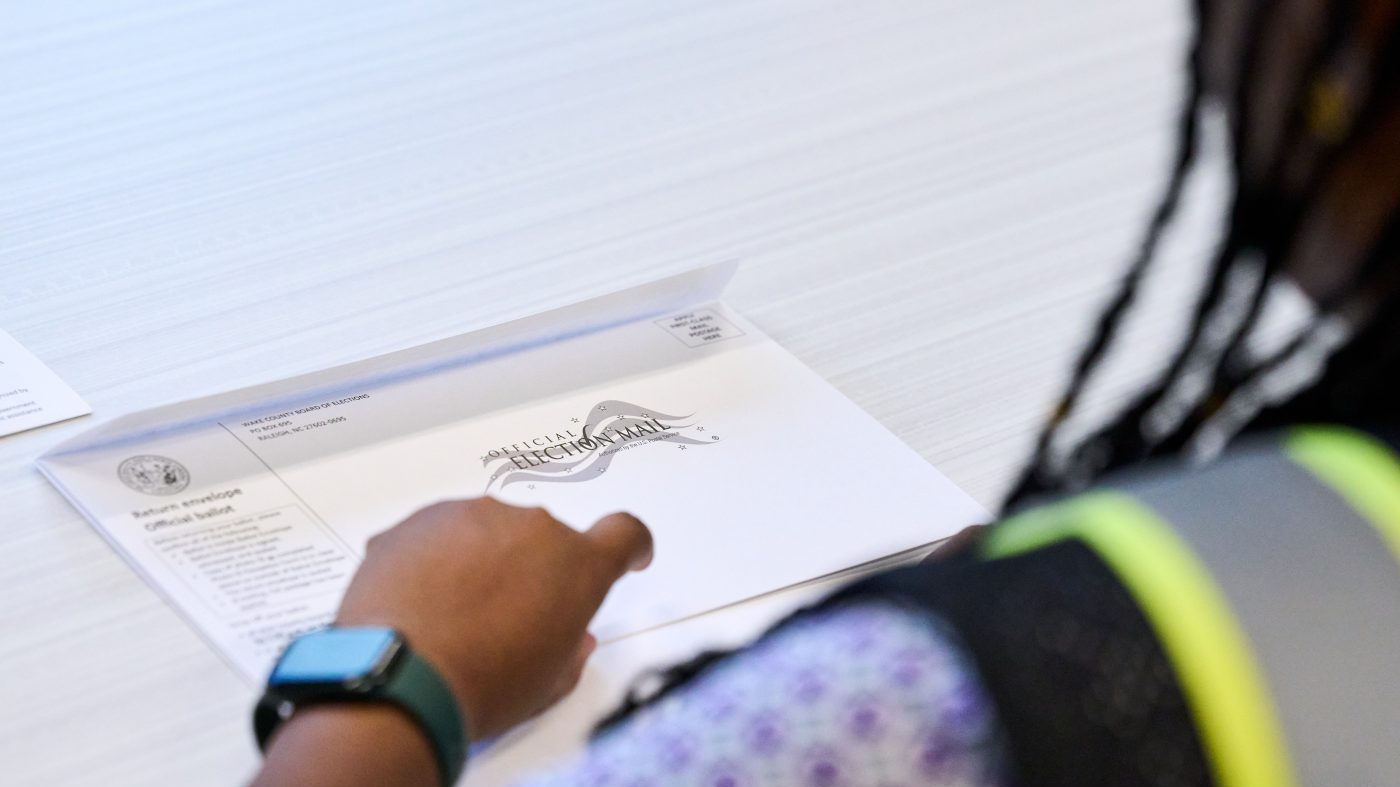
The executive order, signed by Trump in March, directed the USPS to establish new protocols for mail-in ballots, including mandatory state voter list submissions and envelope design specifications such as official logos and barcodes. The agency's final rule would have required states to comply before ballots could be mailed, a move that Democratic officials and voting rights groups argue would disenfranchise voters in states that have already finalized their ballot designs.
Nichols consolidated multiple challenges to the rule, including lawsuits brought by the Democratic National Committee, House Minority Leader Hakeem Jeffries, Senate Minority Leader Chuck Schumer, and civil rights organizations like the NAACP and the League of United Latin American Citizens. The judge's ruling blocks the entire rule, going further than an earlier injunction issued by another judge, which only paused specific provisions.
The administration has defended the policy by comparing it to USPS regulations for handling sensitive materials like cremated remains, arguing that the agency has broad discretion to manage mail delivery. But Nichols rejected that analogy, noting that the rule "does far more than prescribe how ballot envelopes must be designed and processed." He emphasized that the rule effectively imposes new voting requirements that Congress never authorized.
Democrats have warned that the timing is especially dangerous, as states are already preparing for the November elections. "This is a blatant attempt to suppress the vote and undermine our democracy," said a spokesperson for the DNC. "We are pleased the court saw through this unlawful scheme."
The Supreme Court is currently considering an emergency request from the Trump administration to lift the earlier injunction, and a decision could come at any time. The new ruling may also be appealed, with the administration likely to seek review from the D.C. Circuit Court of Appeals. Legal experts say the overlapping cases could eventually reach the high court, creating a fast-tracked showdown over election administration just as the GOP's midterm strategy hinges on voter turnout and ballot integrity debates.
Trump has long claimed, without evidence, that mail-in voting is rife with fraud, though studies and election officials have found only isolated incidents. The president's focus on voting restrictions has become a central theme of his political messaging, even as he pushes other policy priorities ahead of the elections. The legal wrangling over the USPS rule could have far-reaching implications for how ballots are cast and counted, particularly in battleground states where mail voting is popular.
For now, the USPS is barred from enforcing the rule, but the administration is expected to press its case aggressively. With the Supreme Court's involvement, the final outcome remains uncertain, and election officials across the country are bracing for potential last-minute changes to voting procedures.