Four Minneapolis City Council members have introduced an ordinance that would require every autonomous vehicle operating within city limits to carry a paid human "safety monitor" in the driver's seat. The proposal, aimed at safeguarding rideshare workers, would effectively mandate that a licensed driver remain ready to take control at all times.
Under the ordinance's language, the monitor must hold a valid driver's license and have "immediate access" to the steering wheel, brake, and accelerator pedals. Companies would also need to secure a city operating license by October of next year if the measure passes.

The push comes as Minnesota's rideshare sector employs more than 10,000 drivers, according to a 2024 state study cited by the Minnesota Star Tribune. Council members backing the measure argue that human oversight is necessary to protect jobs and ensure public safety as autonomous technology expands.
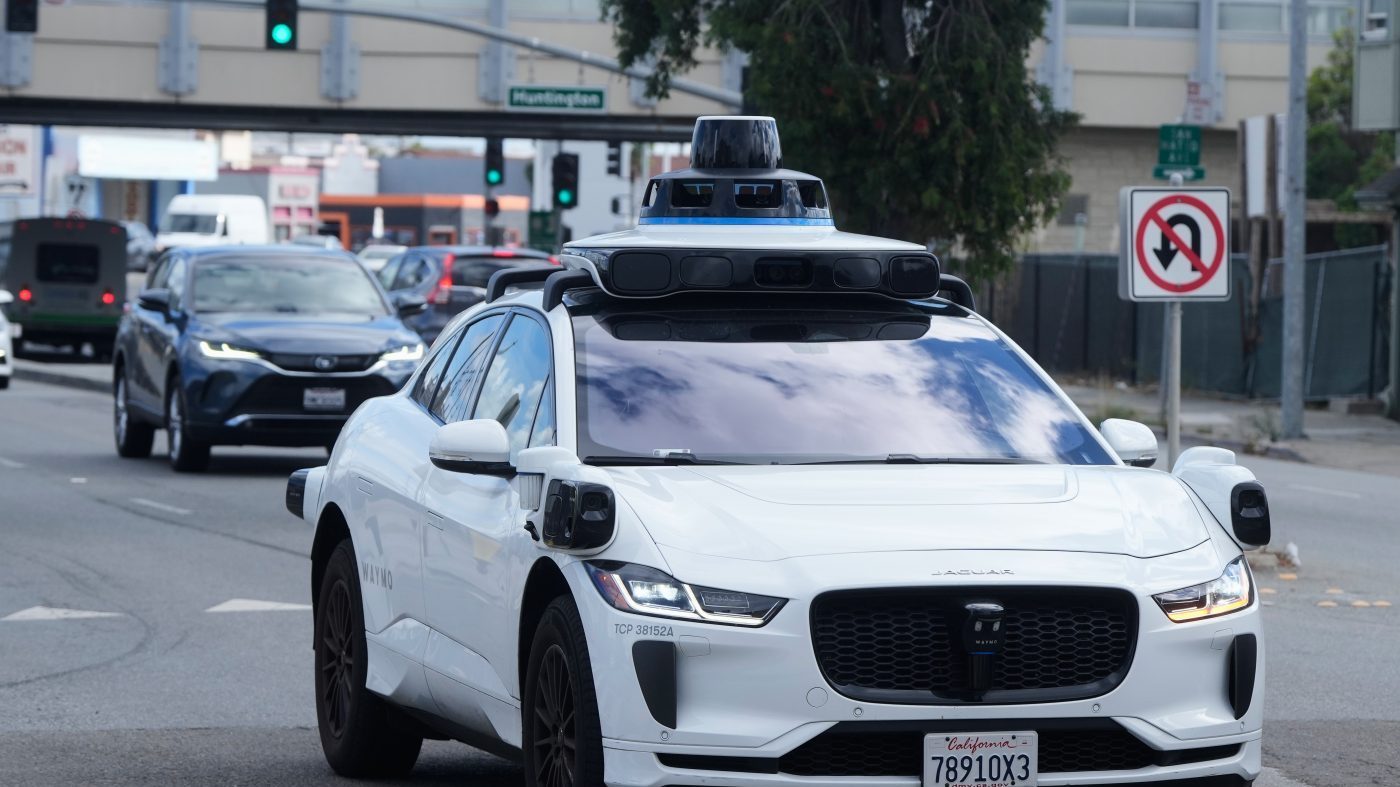
But the proposal has drawn sharp criticism from Waymo, the Alphabet-owned autonomous vehicle company that is planning to launch service in the Twin Cities. Adam Lane, Waymo's state and local public policy manager, called the ordinance a "de facto ban on autonomous vehicles," saying it would make it impossible for the company to operate its driverless fleet in Minneapolis.
Waymo currently operates in more than a dozen U.S. metropolitan areas and this month expanded to San Diego, Denver, and Tampa. Its vehicles rely on cameras inside and outside the car and can be remotely monitored, but they do not have a human in the driver's seat.
Human monitors are not unprecedented in the industry. During a months-long testing period in Texas, Tesla's robotaxis—backed by tech billionaire Elon Musk—included human safety drivers inside the vehicles. This suggests that while fully driverless operations are the goal, some companies have already accepted temporary human oversight during rollout phases.
The Minneapolis ordinance reflects a broader debate over how quickly to embrace autonomous vehicles, especially in dense urban environments. Supporters of the measure point to potential job losses and safety concerns, while opponents argue that such rules could stifle innovation and keep the city from reaping the benefits of new transportation technology.
Similar tensions have emerged in other cities, as regulators weigh the promise of reduced traffic accidents and lower costs against the risks of untested systems. Local governments are increasingly taking matters into their own hands to shape the rollout of new technologies, sometimes overriding state or federal frameworks.
The city council has scheduled a public hearing on the proposal for September 22, where residents, industry representatives, and labor advocates are expected to weigh in. If approved, Minneapolis would join a small but growing list of municipalities imposing strict human-oversight requirements on autonomous vehicles.
For now, the future of driverless cars in Minneapolis hangs in the balance. The ordinance's fate could set a precedent for how other cities navigate the complex intersection of innovation, employment, and public safety.