In a historic first, Japan has dispatched fighter jets to India for joint military exercises, signaling a deepening defense partnership aimed at countering China's growing influence in the Indo-Pacific. Three F-2 fighters from the 8th Air Wing at Tsuiki Air Base are now taking part in the Veer Guardian 26 exercise, which began on September 9 at India's Jodhpur Air Force Station in Rajasthan and is set to conclude on September 21.
The Japanese contingent includes two C-2 transport aircraft and 110 personnel. This marks the second iteration of the Veer Guardian exercise, with the first held in Japan in January 2023. The deployment comes as Tokyo seeks to expand its military footprint and strengthen ties with like-minded nations, particularly those in the Quad grouping, which also includes the United States and Australia.

According to Lance Gatling, a defense analyst at Tokyo-based Nexial Research, the exercise is a direct response to a failed 2024 deployment. "Japan dispatched three F-2A fighters to India for the 2024 Tarang Shakti multilateral air exercise," Gatling said, "but the mission was aborted when the aircraft reached Singapore, where equipment problems and adverse weather meant their timely arrival in India was impossible." He noted that the failure highlighted the logistical challenges of long-range deployments, including aircraft availability, maintenance, tanker support, and transit clearances. The current exercise, he added, appears "deliberately low-key politically" but is also "designed to demonstrate that the Japan Air Self-Defense Force has absorbed those 2024 lessons and made corrections."
The exercise has drawn sharp criticism from Beijing, which views the Quad as a counterforce to its regional ambitions. Chinese researcher Da Zhigang, writing in the Communist Party-aligned Global Times, accused Japan of pursuing "a comprehensive transformation toward a more offensive military posture." He argued that the long-range overseas exercise "lays bare Japan's efforts to break through the postwar framework and hollow out the principle of 'exclusively defense-oriented' policy."
Japan's F-2 fighters, a Japanese-designed variant of the U.S. F-16, made at least one stop en route—believed to be in Thailand—and were refueled by U.S. Air Force tankers. The exercise focuses on air-to-air combat, providing Japanese pilots with valuable experience against aircraft similar to those flown by China. As Gatling pointed out, India, like China, operates Russian-origin aircraft, making the drills particularly relevant.
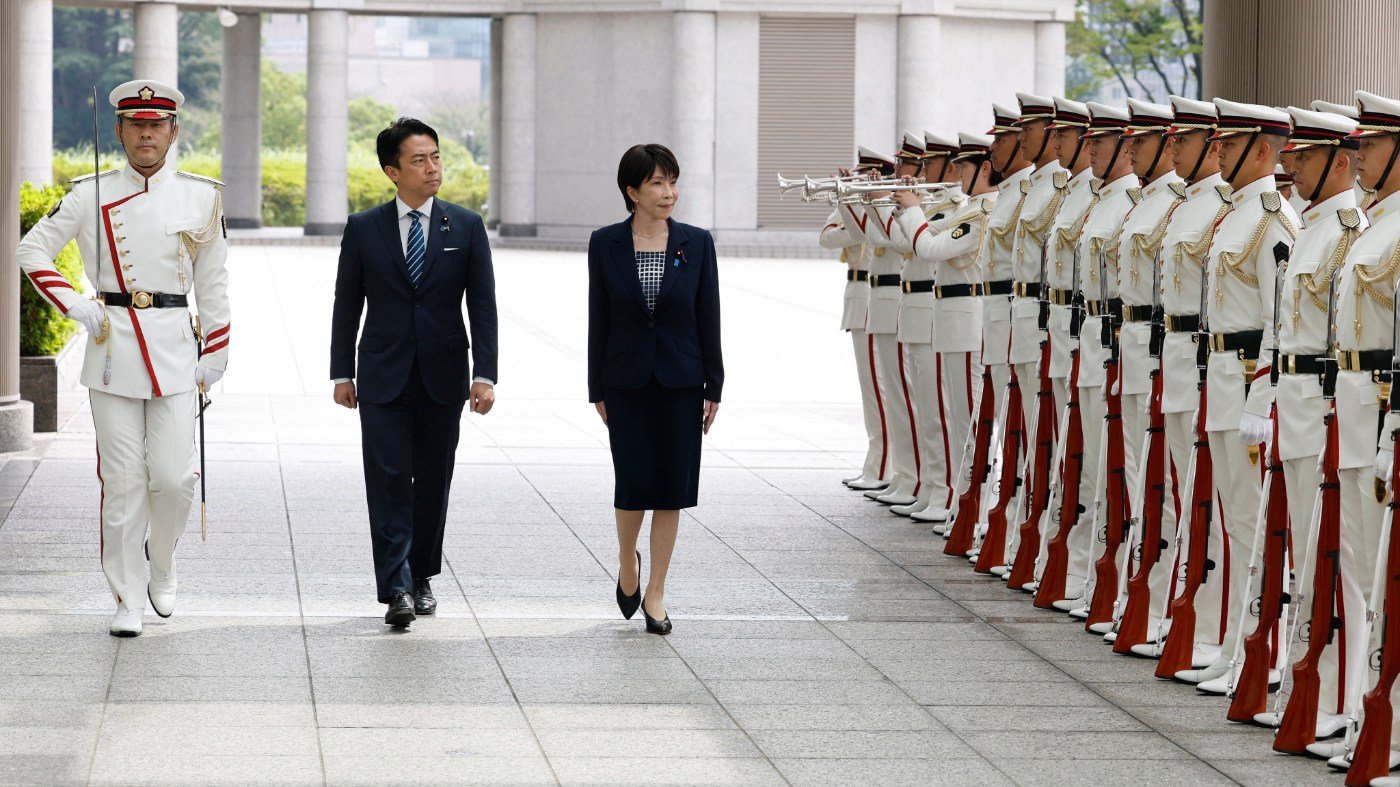
Beyond the tactical benefits, the exercise is a political statement. Tokyo is rapidly building a web of defense partnerships across the Indo-Pacific, as noted by Gabriel Dominguez of Hong Kong's South China Morning Post. In August, Japan's Defense Minister Shinjiro Koizumi visited India and agreed with his counterpart Rajnath Singh to hold joint exercises. While Japan has only one formal treaty ally—the U.S.—it has cultivated closer ties with Australia, the Philippines, and other regional states.
Prime Minister Sanae Takaichi's government is also ramping up defense spending, aiming to double it to 2% of GDP by 2027, a target set in 2022. Her proposed budget for the 2027 fiscal year includes only a modest increase, but the broader trajectory is clear. China's regime, which has been waging a propaganda campaign against Tokyo since November over Takaichi's comments on Taiwan, continues to raise the specter of Japanese "militarism." However, this narrative is not gaining traction in Asia and is even affecting how Japanese officials discuss defense.
Gatling noted that the Japanese government has emphasized "capacity-building, bilateral trust, and Indo-Pacific stability" when speaking about Veer Guardian 26. Yet, Japanese media are more direct. The Asahi Shimbun, not known for nationalist views, has not shied away from mentioning China in this context.
China's belligerent air and naval maneuvers in the East China Sea, including its campaign to seize eight uninhabited islands and rocks from Japan and its groundwork to claim the Ryukyu chain, underscore why Tokyo is sending its jets so far. As Gatling put it, the exercise is a clear signal that Japan has absorbed the lessons of 2024 and is ready to project power. For Beijing, the message is unmistakable: Japan is no longer content to remain on the defensive.