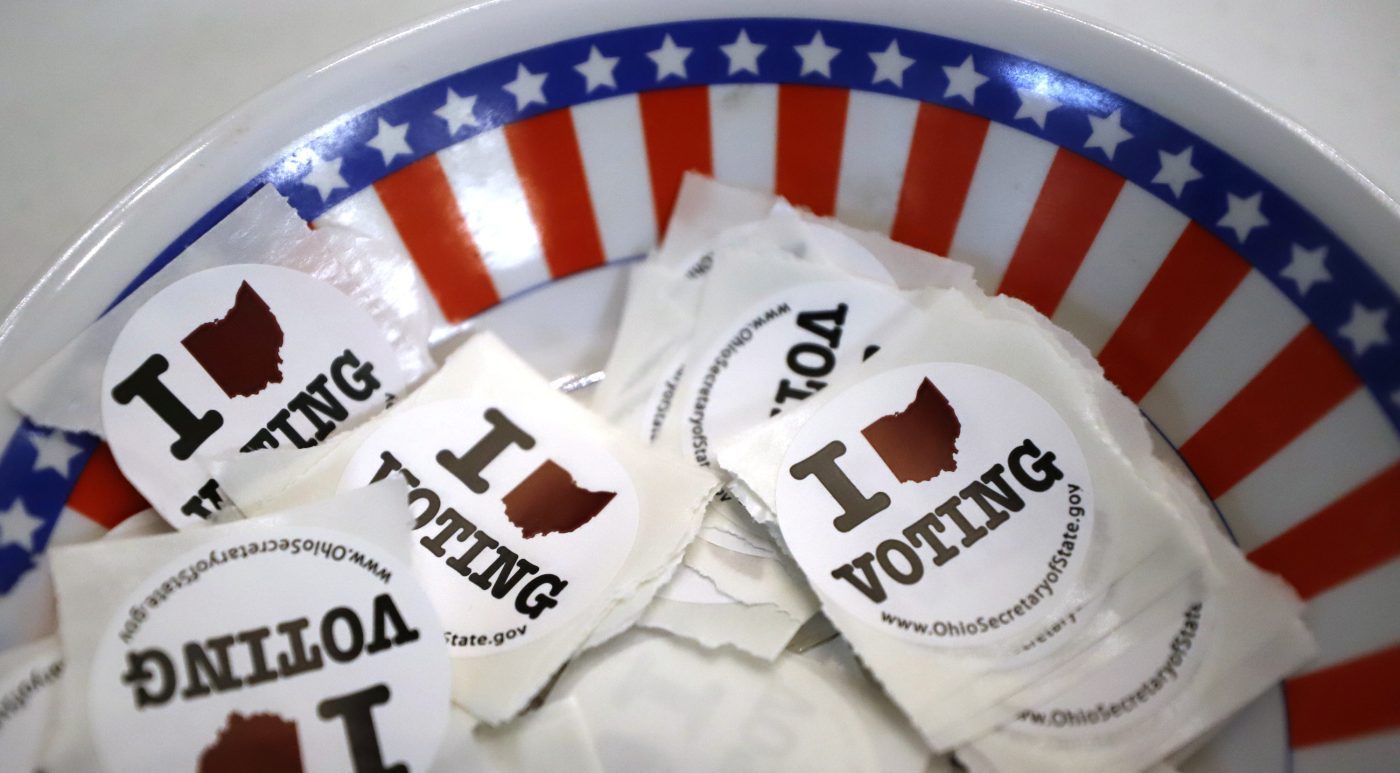
A federal judge on Tuesday blocked Ohio from enforcing a new rule that would have required people to show documentary proof of citizenship when registering to vote at motor vehicle offices. The decision, issued by U.S. District Judge Solomon Oliver Jr., comes just weeks before the state's voter registration deadline for the November midterms.
The law, signed by Republican Governor Mike DeWine in March 2025, amended Ohio's "motor voter" process to demand documents such as a U.S. passport or birth certificate from anyone registering to vote while applying for a driver's license or state ID. But Judge Oliver ruled that this requirement likely violates the National Voter Registration Act (NVRA), which sets a "minimum amount of information necessary" for voter registration.
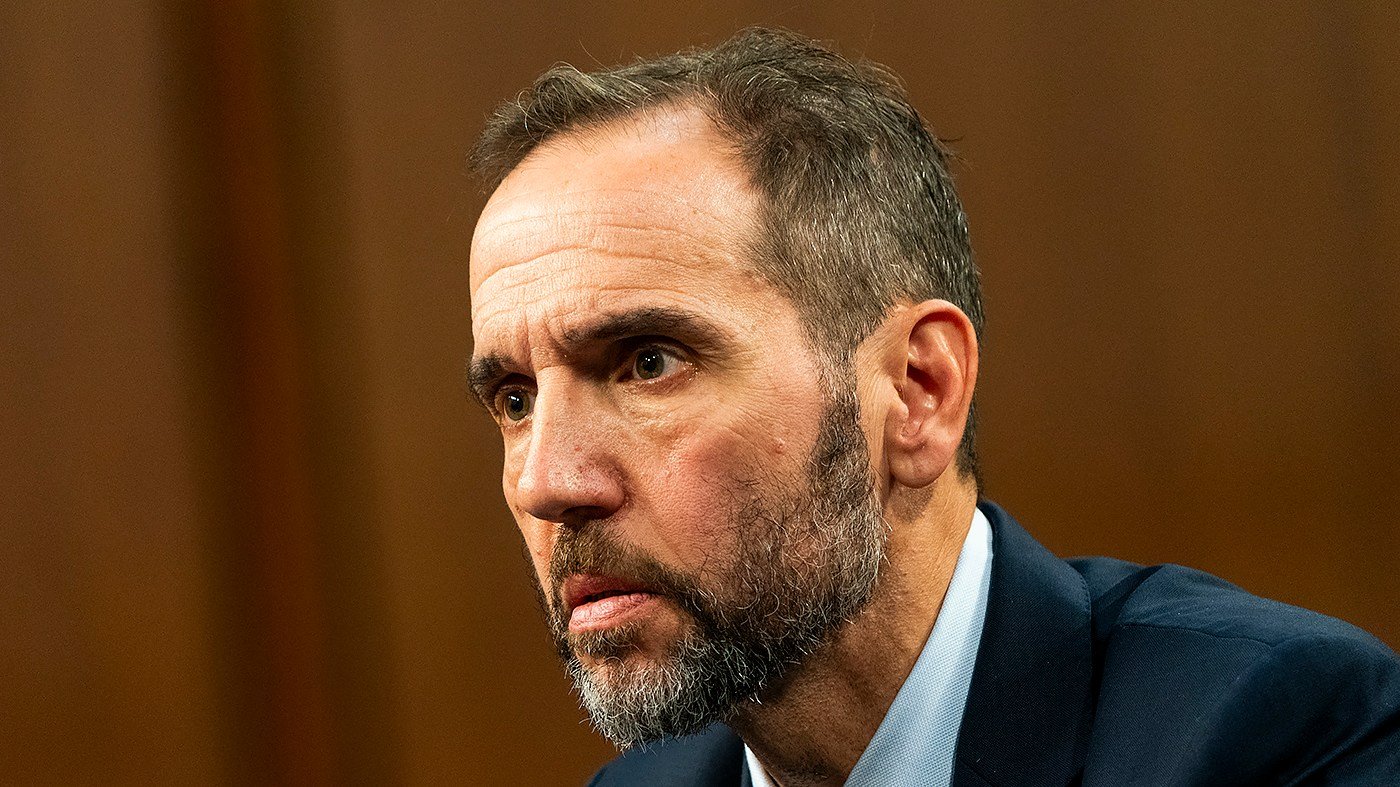
In his 54-page opinion, Oliver noted that state officials themselves acknowledged that a signed attestation of citizenship—not documentary proof—is sufficient under federal standards. "The record shows, and Defendants acknowledge, that signed attestation to U.S. citizenship is 'the minimum amount of information necessary' to enable Ohio's election officials to assess voter eligibility," he wrote.
The ruling is a setback for Ohio Secretary of State Frank LaRose (R), who said he "strongly disagree[d]" with the decision and would immediately appeal. LaRose argued that without the requirement, the Bureau of Motor Vehicles would be forced to offer voter registration to individuals who cannot verify their citizenship.
The lawsuit was filed by Red Wine & Blue and the Ohio Alliance for Retired Americans, which argued that the state statute was preempted by the NVRA. Judge Oliver agreed, also finding that Ohio was unlawfully limiting registration offers to applicants who successfully obtained a license, rather than extending the option to all who apply, as the NVRA requires.
"To interpret this section of the NVRA otherwise would allow States to make registering to vote at the BMV more onerous, and could result in fewer voter registrations," Oliver, an appointee of former President Bill Clinton, wrote.
This legal battle is part of a broader Republican push in several states to tighten voting rules ahead of the midterms, driven by unsubstantiated claims of widespread noncitizen voting. Similar measures have faced legal challenges in other states, and the issue remains contentious as the election approaches.
Ben Stafford, a partner at Elias Law Group representing the plaintiffs, welcomed the ruling. "With the registration deadline just weeks away, eligible Ohioans will now have the opportunity to register to vote at the BMV without having to produce unnecessary paperwork that is not required by federal law," he said.
The decision is a significant victory for voting rights advocates, but the state's appeal could quickly move the case to a higher court. Ohio's voter registration deadline is October 5, leaving little time for further legal wrangling before the midterms.
For now, the ruling stands, and Ohioans can register to vote at motor vehicle offices without providing extra citizenship documents. The outcome of the appeal could have implications for similar laws in other states, as courts continue to weigh state-level voting restrictions against federal voter registration standards.