The International Criminal Court pushed back forcefully on Friday against the Trump administration's new financial sanctions, with its president calling the measures an assault on the rule of law and a betrayal of victims of mass atrocities.
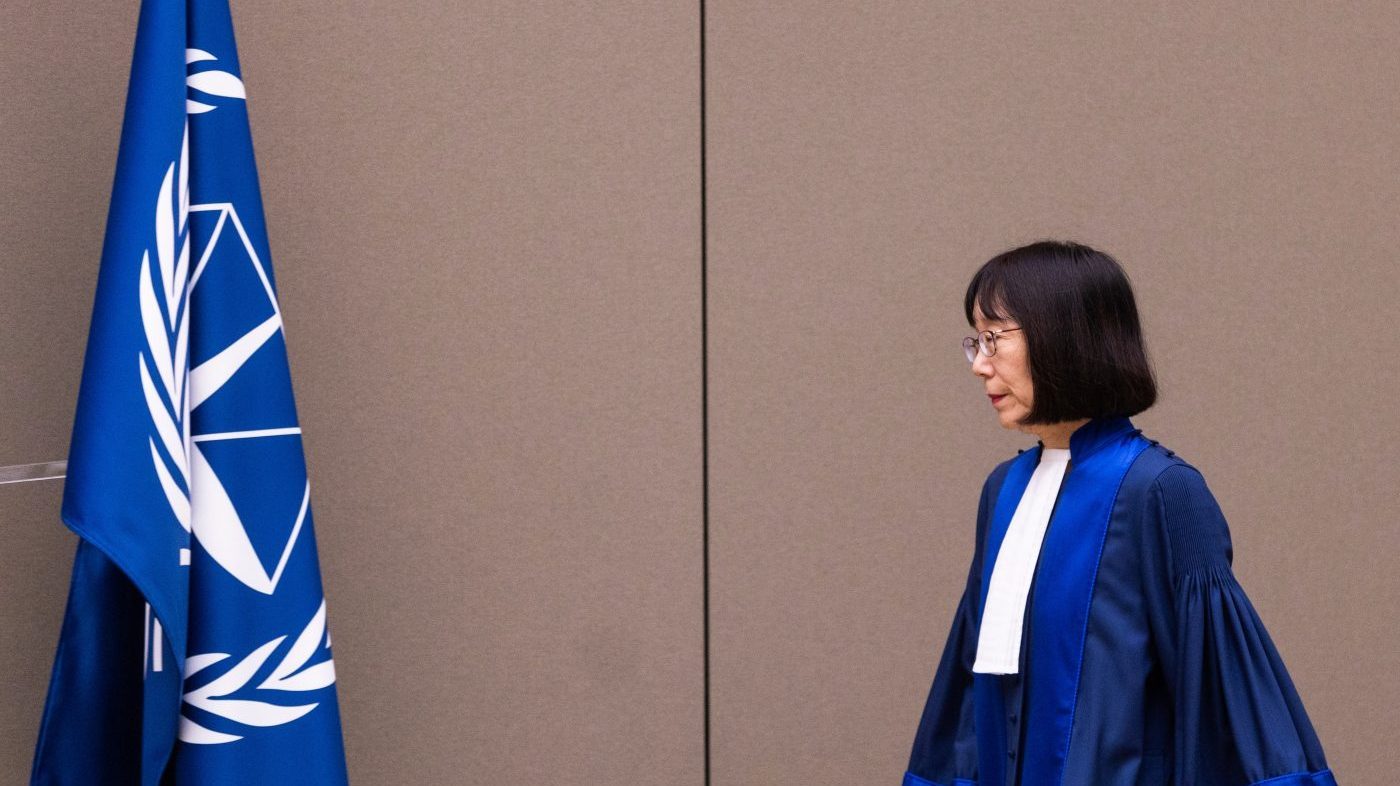
In a video posted on the court's website, ICC President Tomoko Akane said the court "firmly rejects" the sanctions, which Secretary of State Marco Rubio announced earlier in the day. The timing coincided with the Nobel Peace Prize being awarded to former ICC judge Navi Pillay, who recently led a UN inquiry that concluded Israeli forces committed genocide in Gaza.

Akane described the penalties as an attack not only on the court itself but on the nations that established it and on the broader international legal framework. "It is an attack on the victims of mass atrocities who have waited years, sometimes decades, for those to be held to account," she said.
The Hague-based tribunal, created in 2002 to prosecute war crimes, crimes against humanity, and genocide when national courts are unwilling or unable to act, has drawn Washington's ire for its investigations involving U.S. allies, particularly Israel's military campaign in Gaza.
Rubio, in a social media video announcing the sanctions, accused the ICC of targeting American citizens despite the United States not being a party to the Rome Statute. "We will ban transactions with this rogue court, cutting off their resources and crippling their ability to operate against us," he said, adding that the U.S. and its people are not subject to its jurisdiction. He also called on allied nations to "rein in this rogue court."
Akane framed the confrontation as a fundamental choice for global leaders: "a world where might is right" versus "a future based on the rule of law." She urged states and individuals to defend the international order, saying, "To stand up for law, not force. We will be judged by history for the choices we make today."
She pledged that the ICC would continue its work "undeterred, with the firm resolve that justice must prevail."
The sanctions drew condemnation from the UN human rights chief, Volker Türk, who called them "unacceptable" and demanded their withdrawal. "It is abundantly clear in all the conflicts and crises that plague our world that impunity fuels violence and suffering," Türk said in a statement. "We need to be investing more in ensuring justice and accountability – rather than penalizing those who are documenting, investigating and prosecuting serious violations."
The move is the latest escalation in a long-running dispute between Washington and the ICC, which has also been investigating alleged war crimes by U.S. forces in Afghanistan. The Trump administration had previously sanctioned Akane and other court officials in August.
As the clash intensifies, the court's ability to operate may be hampered, but its leadership insists it will not back down. The episode underscores the growing tension between U.S. sovereignty claims and the push for international accountability, a divide that is likely to shape diplomatic relations in the coming months.