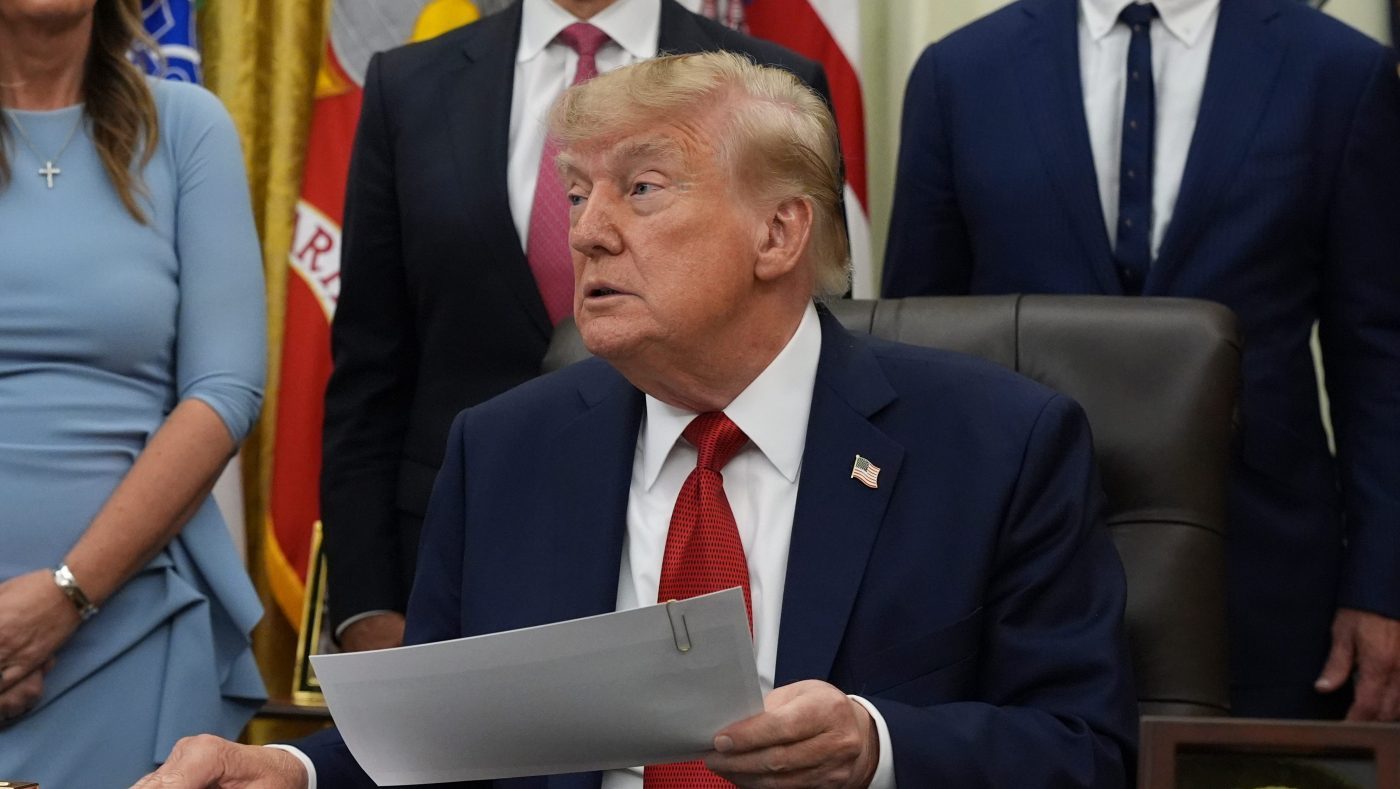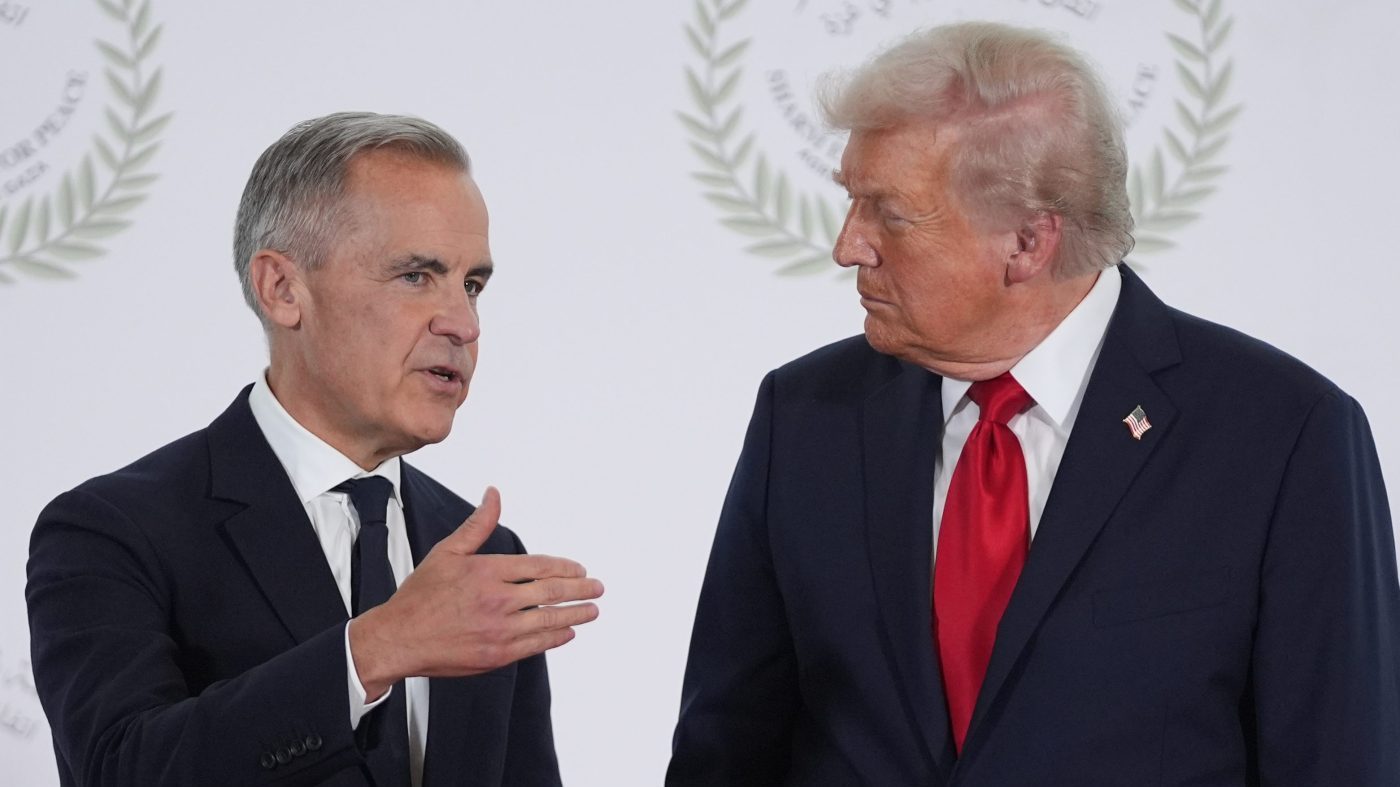
The already strained relationship between President Trump and Canadian Prime Minister Mark Carney has taken a sharper turn this week as Carney traveled to Europe to deepen ties with the European Union. The move, which includes a proposal for Canada to become an associate member of the bloc, drew an immediate and blunt warning from Trump on Wednesday: if the EU proceeds, it could be seen as a "hostile act" and trigger severe tariffs or a halt to trade with Europe.
The proposal, floated by European Commission President Ursula von der Leyen, would create a new category of EU partnership, though its exact parameters remain undefined. Leaders are expected to discuss the idea further when they meet in Montreal at the end of October. Carney, speaking at the European Parliament on Thursday, welcomed the initiative but clarified that Canada is not seeking full EU membership. Instead, he emphasized a desire for greater integration in trade and defense to bolster both Canada and the bloc.
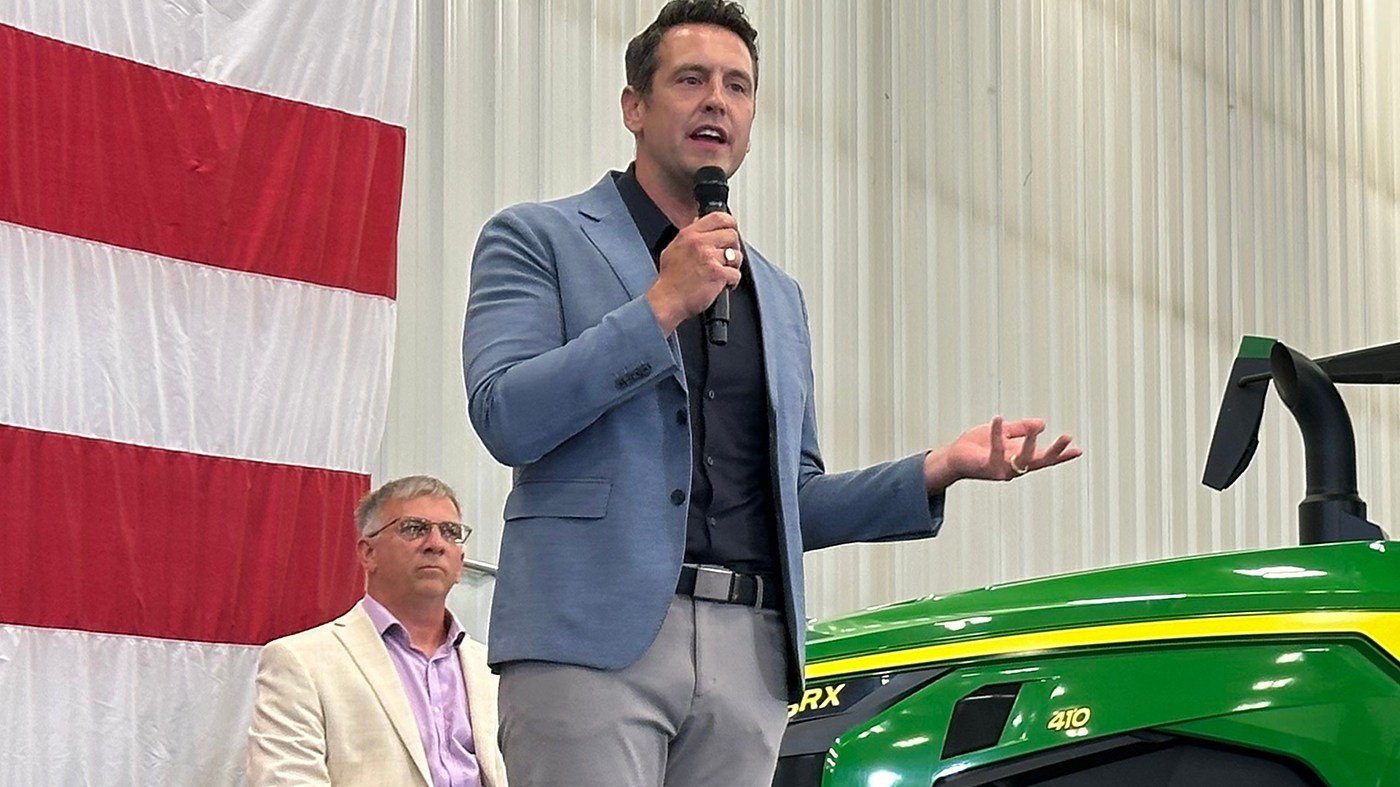
"We do not seek power to dominate others," Carney said. "On the contrary, we are pursuing resilience so that no one can control our open markets, impair our sovereignty, threaten our territorial integrity, or undermine our freedoms, our democracies, our rule of law."
The deterioration in U.S.-Canada relations is unprecedented for two nations that have long shared one of the world's closest alliances. The rift has been fueled by tit-for-tat tariffs on goods, Trump's renaming of Lake Ontario to "Lake America," and his repeated suggestions about making Canada the 51st state. While Carney has touted a geopolitical realignment, he has also stressed that America remains a crucial partner.
The economic and social consequences are already visible. Canadians are increasingly boycotting American products and canceling trips to the U.S., hitting border-state economies. Sen. Tina Smith (D-Minn.) noted that Minnesota, which counts Canada as its largest export market, is feeling the pinch. "You start to want to find new friends," she said, explaining why Canada might look elsewhere. Sen. Gary Peters (D-Mich.) echoed that sentiment, describing how Canadian tourists who once crossed the border for shopping and dining have stopped. "It's really sad," he said.
Some lawmakers see the EU proposal as a symbolic jab at Washington. Sen. Mike Rounds (R-S.D.) suggested the EU and Canada are "just trying to irritate the United States" and send a message of displeasure. Still, he emphasized the importance of the relationship, saying, "They're our friends, they're our allies, and the bottom line is you need to get results at some point. Tariffs have a place, but the end result should be a better relationship when we're all done."
Trump, for his part, dismissed Canada as a "terrible trade partner" and said he does not see the associate membership happening. "If they do that, if I think it's at all a hostile act, I will put very serious tariffs or stop trading with Europe on many things," he told reporters. "If it's a bad intention, we'll put very heavy tariffs on Europe, which is a possibility."
Analysts suggest the volatility from Washington is a key driver of Canada's outreach to Europe. Imran Bayoumi, deputy director at the Atlantic Council, said the move reflects a recognition of a more dangerous geopolitical world. "Canadian foreign policy is still rooted in a values-based approach, and I'm not sure it can be said that the U.S. has that same outlook right now," he said. "So trying to meet the EU on that same plane is important to Canadians."
Trade negotiations between the U.S. and Canada collapsed last month, with both sides blaming each other for adding unacceptable conditions. That breakdown led to 50 percent tariffs on billions of dollars of Canadian goods, prompting Ottawa to impose matching tariffs on U.S. products. The standoff is expected to persist into the fall, even as both leaders prepare to attend the United Nations General Assembly next week. The ongoing friction has also drawn attention to other contentious issues, such as Trump's recent Greenland security pact and his threats to bar certain media from the White House, which further complicate the diplomatic landscape.