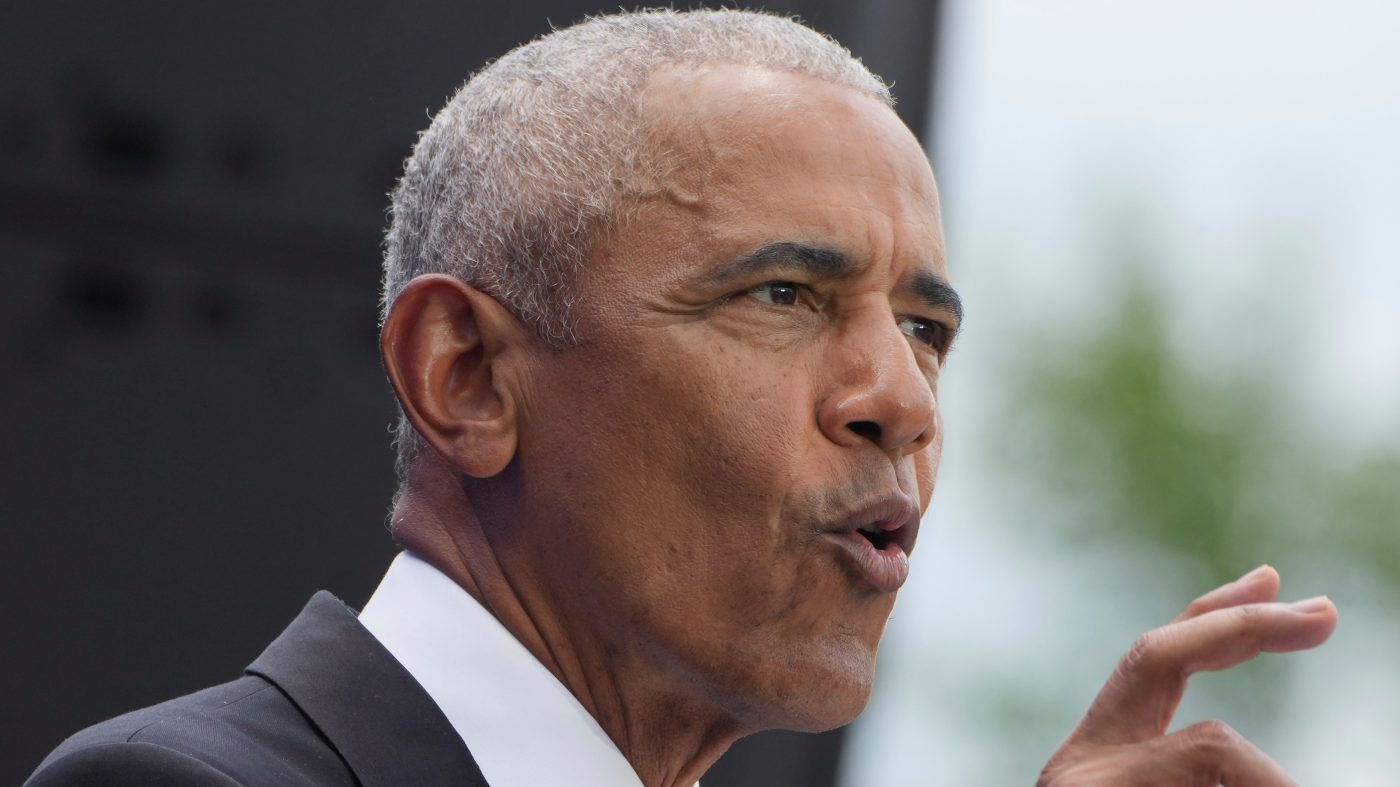
Former President Barack Obama on Friday sharply criticized President Trump's approach to artificial intelligence, warning that the administration's hands-off stance leaves the nation exposed to significant risks from the rapidly evolving technology. Speaking at Colgate University in New York, Obama argued that the federal government must step in to regulate AI, directly challenging Trump's reliance on market forces.
Obama took aim at a Trump adviser who had suggested that companies would self-regulate because they fear lawsuits if their products cause harm. "That's not how we treat airlines," Obama said, "or drug companies, or food companies." He dismissed the idea that financial liability alone would ensure safety, insisting that proactive federal oversight is necessary.
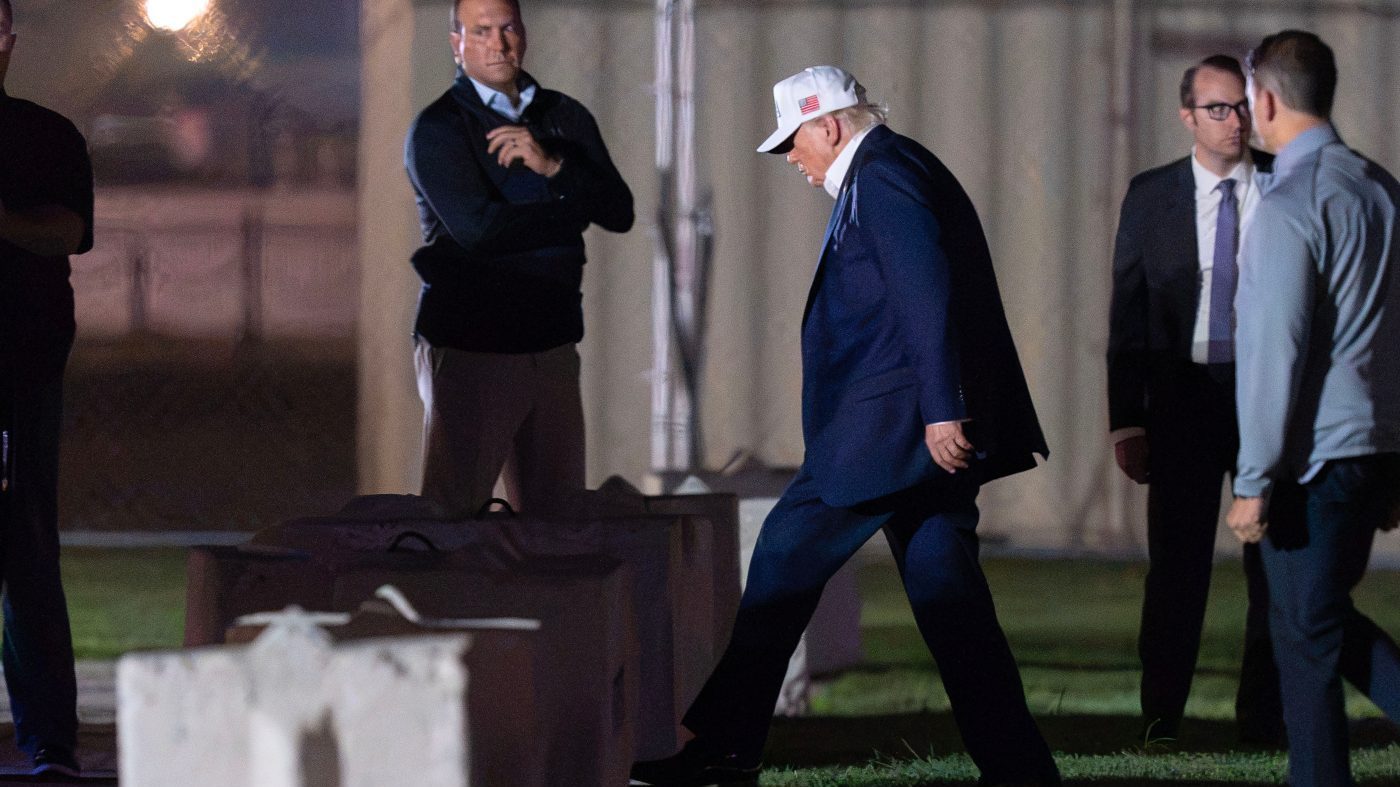
The former president also referenced Trump's past dismissal of AI regulations as "for losers," and pointed to a dangerous gap: "We've got a gap of at least a couple of years where things are moving really fast and we have an administration that is not capable of or willing to—I would argue both—putting together a serious regulatory framework."
Obama urged at least voluntary industry restraint as the "best we can do now" until Congress and the executive branch "start getting serious about this." He has reportedly pressed House Minority Leader Hakeem Jeffries to make AI oversight a central part of the Democratic caucus's agenda, warning at a fundraiser that AI could be "dangerous" without congressional action.
The critique comes amid escalating alarms from within the tech sector. Jacob Coxon, a former researcher at Anthropic, recently warned that AI "could kill us all" by the end of the decade. Evan Hubinger, Anthropic's head of alignment, affirmed that "we really do earnestly believe AI could kill all humans!" The company's CEO, Dario Amodei, has also called for a slowdown in development to implement necessary safeguards.
In response, Trump announced on Saturday plans to create an "AI Force" and appoint a "czar" to oversee development, but he dismissed concerns about the lack of federal guardrails as a "hoax." He even suggested renaming AI to "Superior Intelligence," "Extreme Intelligence," or "Supreme Intelligence," calling these "far more elegant and accurate" descriptions.
Bipartisan lawmakers have echoed the urgency. Rep. George Whitesides (D-Calif.) has called for a slowdown to establish red lines on AI, allowing Congress to convert them into law. The administration's broader deregulatory agenda has drawn scrutiny, and Obama's remarks highlight a sharp partisan divide over how to handle emerging technologies.
Trump's opposition to regulation dates back to his first campaign, when he criticized the Obama administration's rule-making. Now, with AI advancing at breakneck speed, the debate over oversight has become a flashpoint. Obama's intervention underscores the political stakes as midterm battles intensify and international tensions mount.
As the technology races forward, the question remains whether Washington can bridge the gap between industry warnings and policy action. For now, Obama's critique serves as a pointed reminder that the clock is ticking.