A federal judge in Texas ruled Wednesday that major parts of the National Firearms Act (NFA) can no longer be enforced, after Republicans last year eliminated the taxes that had underpinned the law's constitutional basis.
U.S. District Judge Wesley Hendrix, a Trump appointee in the Northern District of Texas, said that because the 2025 tax repeal removed the revenue-generating function of the NFA, the law's registration and recordkeeping requirements for short-barreled rifles, short-barreled shotguns, and firearm silencers cannot be upheld under Congress's taxing power.
“Because today's NFA does not generate any revenue from untaxed firearms, its regulatory provisions cannot be upheld under the taxing power,” Hendrix wrote in his 66-page opinion.
The ruling is a major victory for gun rights advocates and Republican-led states that sued after the tax repeal was tucked into the One Big Beautiful Bill Act. The plaintiffs—including individual gun owners, firearms businesses, and more than a dozen GOP states—argued that the NFA's burdensome requirements were never justified once the tax was gone.
Judge Hendrix delayed the effect of his order by one week to allow the government to appeal. If the ruling stands, the federal government would be barred from enforcing those rules against the plaintiffs. The Trump-era Justice Department has continued to defend the NFA, arguing that it can be justified under the Commerce Clause, but Hendrix rejected that reasoning in this case.
Gun rights groups celebrated the decision. Brandon Combs, president of the Firearms Policy Coalition, called it “a massive win and an important step forward in our strategic plan to end the NFA.” He added, “We cannot wait to fully and finally eliminate this unconstitutional scheme so people can exercise their rights when, where, and how they choose.”
West Virginia Attorney General J.B. McCuskey, a Republican, echoed that sentiment, saying the federal government “has long used its taxing power as a backdoor to impose invasive registration mandates on law-abiding citizens.”
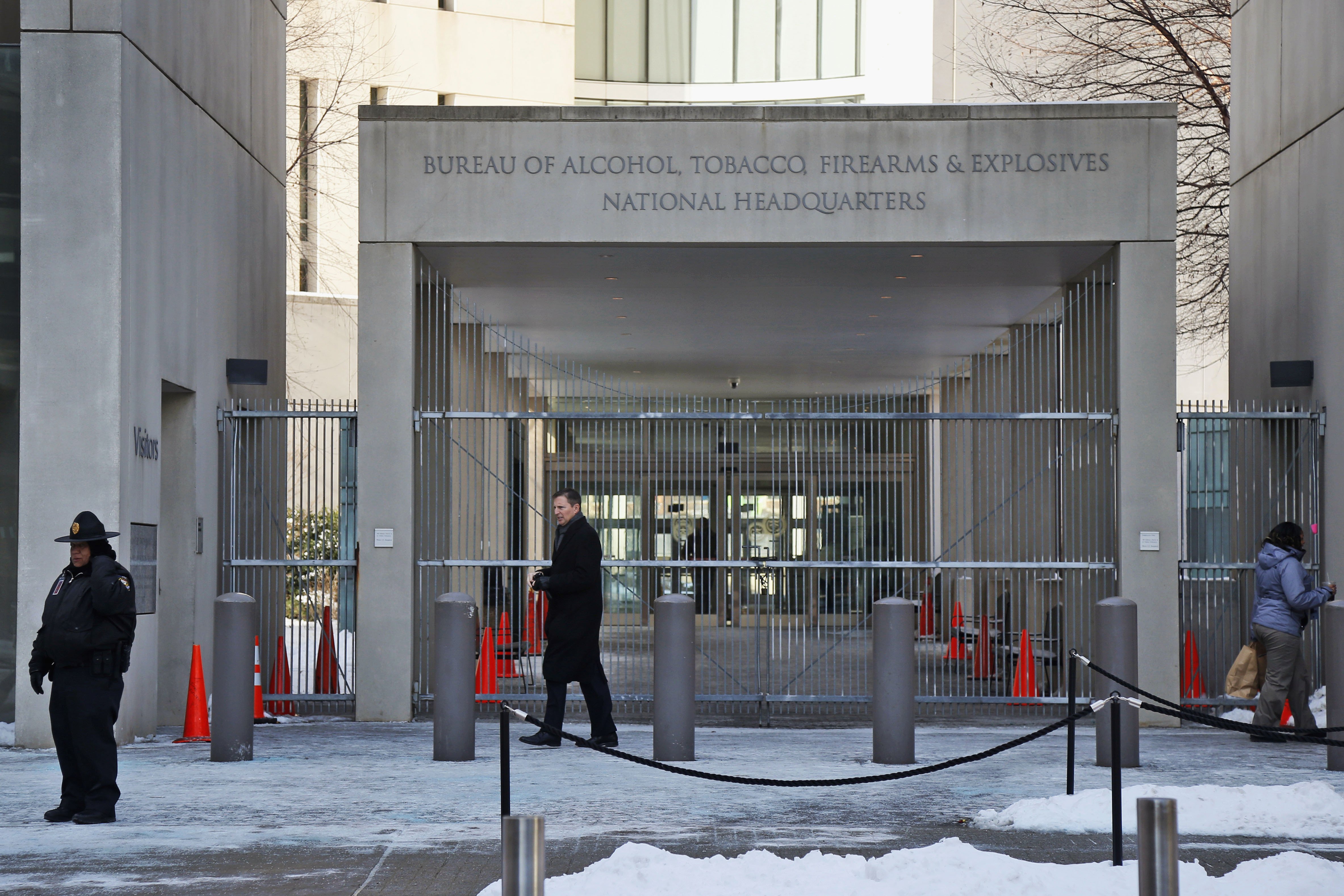
The ruling is part of a broader push by conservatives to dismantle federal gun control measures, especially those enacted under the NFA. It also comes as the Bureau of Alcohol, Tobacco, Firearms and Explosives has faced scrutiny over its regulatory authority, with some lawmakers pushing to clarify rather than weaken firearms oversight.
The Justice Department has not yet commented on the ruling, but it is expected to appeal. Legal experts note that the case could eventually reach the Supreme Court, which has grown more receptive to Second Amendment challenges in recent years.
For now, the decision only applies to the plaintiffs in the case, but if upheld on appeal, it could effectively gut the NFA's registration system for those categories of firearms nationwide. The ruling is a significant setback for federal gun control advocates, who argue that the NFA's requirements are essential for public safety.
As the legal battle continues, the political implications are clear: the GOP's tax policy has directly collided with the judiciary's interpretation of constitutional limits, creating a new front in the ongoing fight over gun rights.