Doctors in Texas are reporting a troubling rise in otherwise healthy young men arriving at hospitals with kidneys on the verge of failure. According to a recent investigation by Texas Monthly, these cases point to a poorly understood condition known as chronic kidney disease of unknown origin, or CKDu.
CKDu, also referred to as Mesoamerican Nephropathy because of its prevalence in Central America, has been documented in Sri Lanka as well. Now, researchers are concerned it is gaining a foothold in the United States, particularly among agricultural laborers and other outdoor workers.

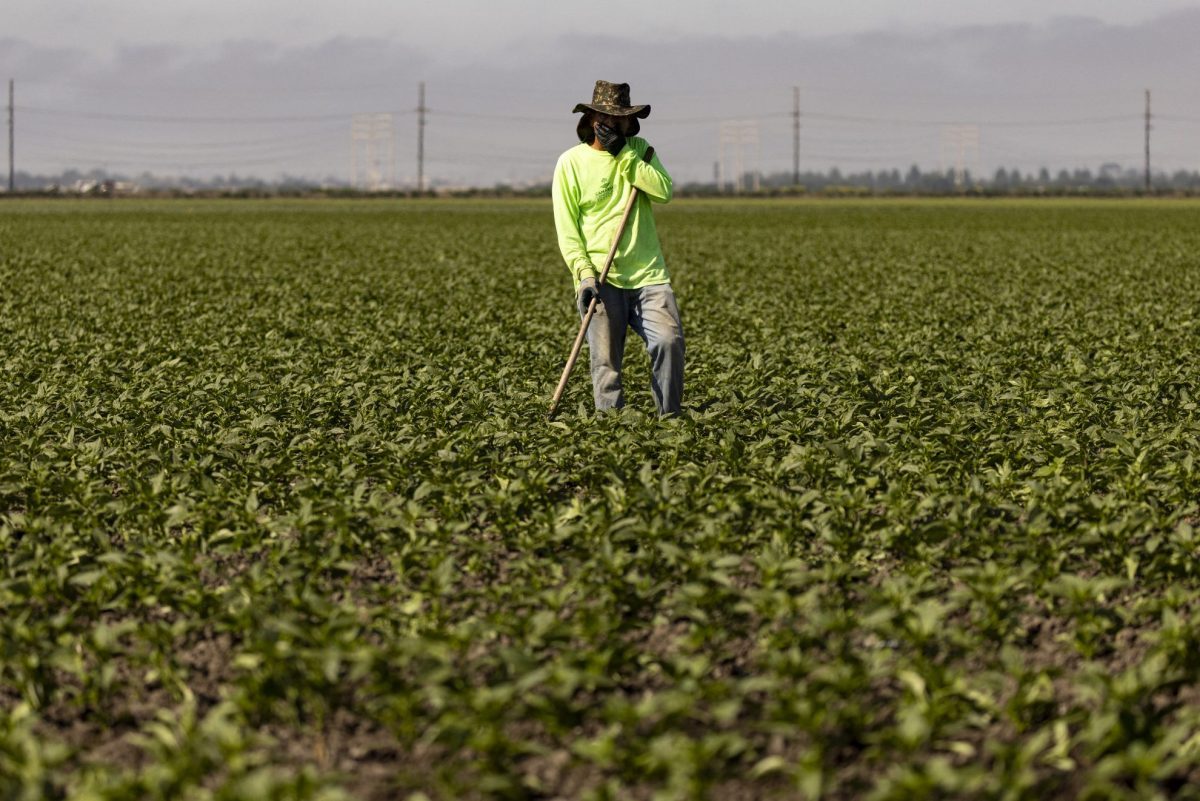
Unlike typical kidney disease, CKDu strikes individuals without the usual risk factors such as high blood pressure or diabetes. The majority of those affected are Latino men between the ages of 20 and 60, many of whom work under extreme heat and physical strain.
In a 2023 paper in a public health journal, researchers noted that in Central America, CKDu is believed to be linked to occupational and environmental exposures, especially among young men working in lowland agriculture, most notably sugarcane harvesters. The exact mechanisms remain unclear, but a 2024 study suggested that chronic dehydration and heat stress may play a role.
Rebecca Fischer, an epidemiologist interviewed by Texas Monthly, stressed that the origins of CKDu are still a “mystery to solve.” “We are quite far, still, from understanding exactly what’s going on,” she said.
The disease can be devastating in endemic regions. In El Salvador, hospitalizations for CKDu surged by 50% between 2005 and 2012, making it the leading cause of hospitalization, according to the International Society of Nephrology. Many of those hospitalized are young, some under 19.
CKDu is often diagnosed late, when the kidneys are already failing. Patients require dialysis or a transplant to survive, but these options are frequently inaccessible to the vulnerable populations most affected. Boston University researchers highlighted that undocumented immigrants in the United States cannot receive routine outpatient dialysis in most states and must rely on emergency dialysis. These cases are also missing from national renal databases, meaning official counts likely underestimate the true burden of unexplained end-stage kidney disease.
Public health experts are calling for better surveillance and research to understand this emerging threat, especially as climate change intensifies heat exposure for outdoor workers. The record-breaking heat in recent years may exacerbate the problem, and the gaps in disease tracking could hinder early detection.