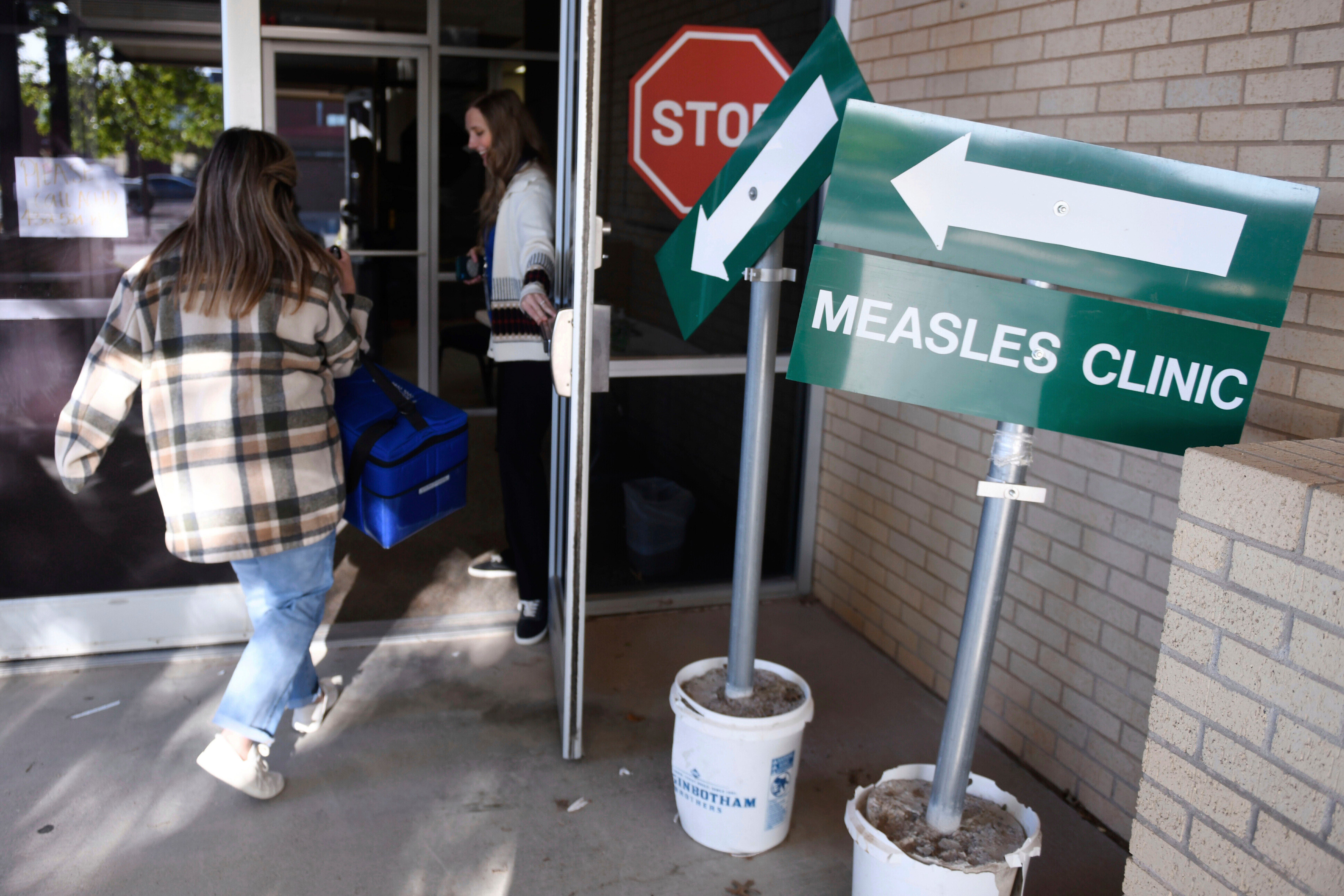
Pennsylvania this week reported its first measles deaths in 35 years, pushing the national case count past 2,900—the highest since the disease was declared eliminated in 2000. The ensuing debate has centered on vaccines, but a former defense and public health official argues the more urgent failure is the nation's inability to track diseases in real time.
Dr. [Author Name], who built disease detection systems for the Defense Threat Reduction Agency and ran hospital epidemiology at Michigan State University, says the core problem is that no two data sources describe the same disease the same way. Each state maintains its own list of reportable conditions and case definitions, and hospitals and labs use different data formats. Before any alert can fire, someone must build a translation layer to align these schemas—what the military calls a common operating picture. American public health lacks that, and no one is in charge of building it.
The CDC itself acknowledges its limitations, stating on its website that it “does not have direct authority to require data reporting.” It receives data from 50 states and over 3,000 local jurisdictions, each with its own data-sharing agreement. Case notification to the national system is voluntary, and counts are provisional and revised weekly. The fragmented picture spans the FDA, HHS, DHS, USDA, and Defense, with no single entity assigned to assemble it.
There are proven models for what works. When Medicare made weekly reporting of respiratory illness and bed capacity a condition of participation in November 2024, it reached nearly every hospital in the country. Similarly, a federal order requiring milk silo testing brought 45 states into bird flu surveillance in 2024, after voluntary testing had enrolled only 75 of 36,000 dairy farms. Authority plus a federally built system achieved in months what persuasion could not in years.
Coordination without authority has failed repeatedly. Congress created the National Biosurveillance Integration Center at DHS in 2007, but by 2015, eight of 11 federal partners said its products helped little or not at all, and only 5 of 19 shared data with it. In 2023 it still lacked performance measures, and the intelligence community's biosecurity center was ordered terminated in December 2025. An integrator that cannot compel data and controls no budget merely writes reports.
Washington's current answer is a slogan. The HHS secretary claimed in September 2025 that the CDC's Biothreat Radar Detection System “can spot pathogens like H5N1 or MERS early enough to prevent catastrophe,” but the budget request called it “proposed,” and Congress funded only $7 million of a $100 million request. The 2027 request seeks funds again while proposing to cut state and local preparedness grants from $735 million to $350 million, and HHS has already terminated $11.4 billion in grants to the very departments that feed its data.
The fix is structural. The government already runs a successful model: Joint Interagency Task Force South in Key West, which coordinates drug interdiction across two oceans. Five armed services, 13 law enforcement and intelligence agencies, and liaison officers from 20 nations work under one director who controls assets assigned to the mission while home agencies keep paying and promoting them. Biosurveillance needs that—not another coordinating council.
Congress should charter a National Biosurveillance Task Force, housed at HHS and led by a civilian, with operational control of the people, systems, and budgets that do federal biosurveillance today, matrixed from all relevant agencies plus the VA. It needs a single appropriation and authority to set data standards enforced through existing levers like Medicare conditions of participation, federal health IT certification, and USDA orders. States could opt in with their National Guard civil support teams, and the task force should build the system once at federal expense and give it to states, counties, tribes, hospitals, and labs for free with technical support.
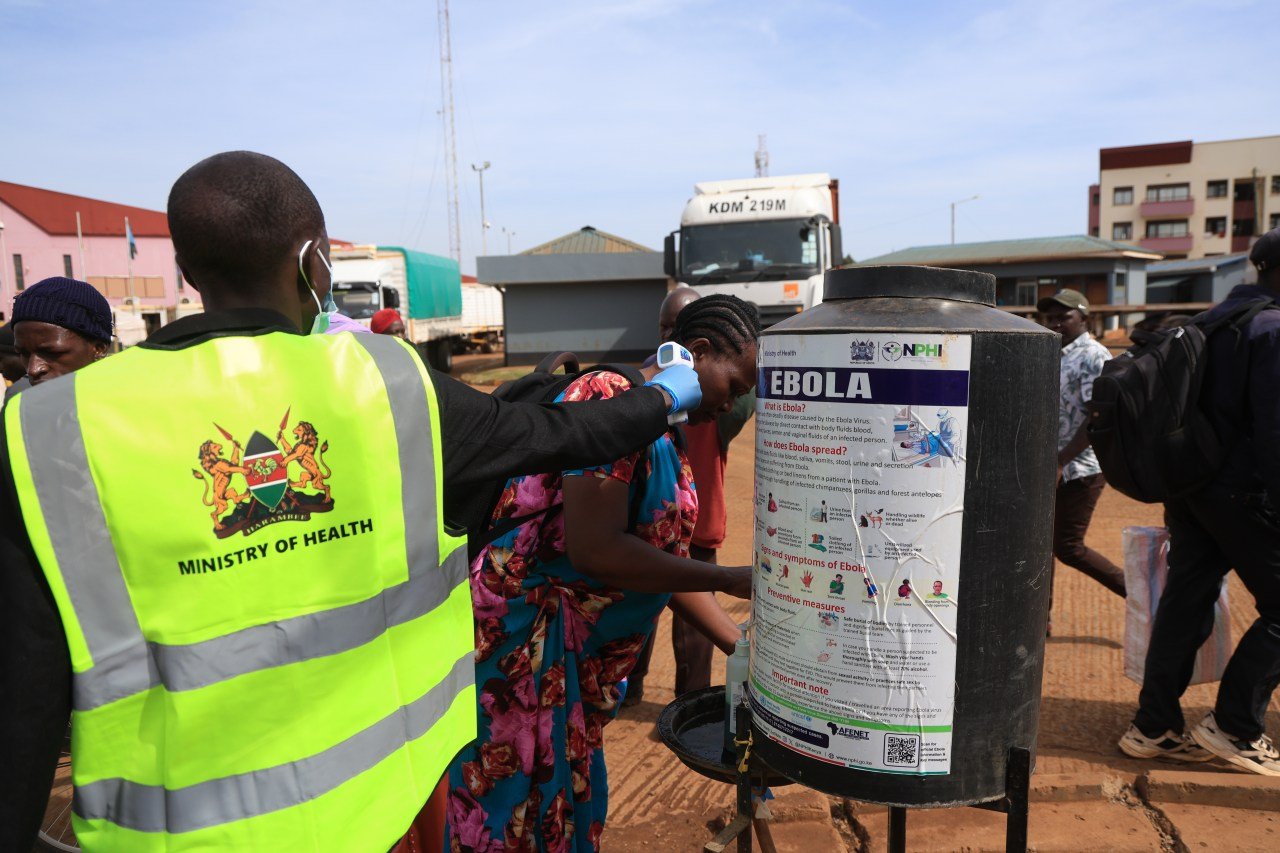
As the U.S. faces a record measles outbreak and rising concerns about Ebola in Congo, the inability to see biological threats clearly is a national security issue. The growing public distrust in government only underscores the need for transparent, unified disease tracking. Without structural change, the next outbreak—whether measles or something worse—will again catch the nation unprepared.