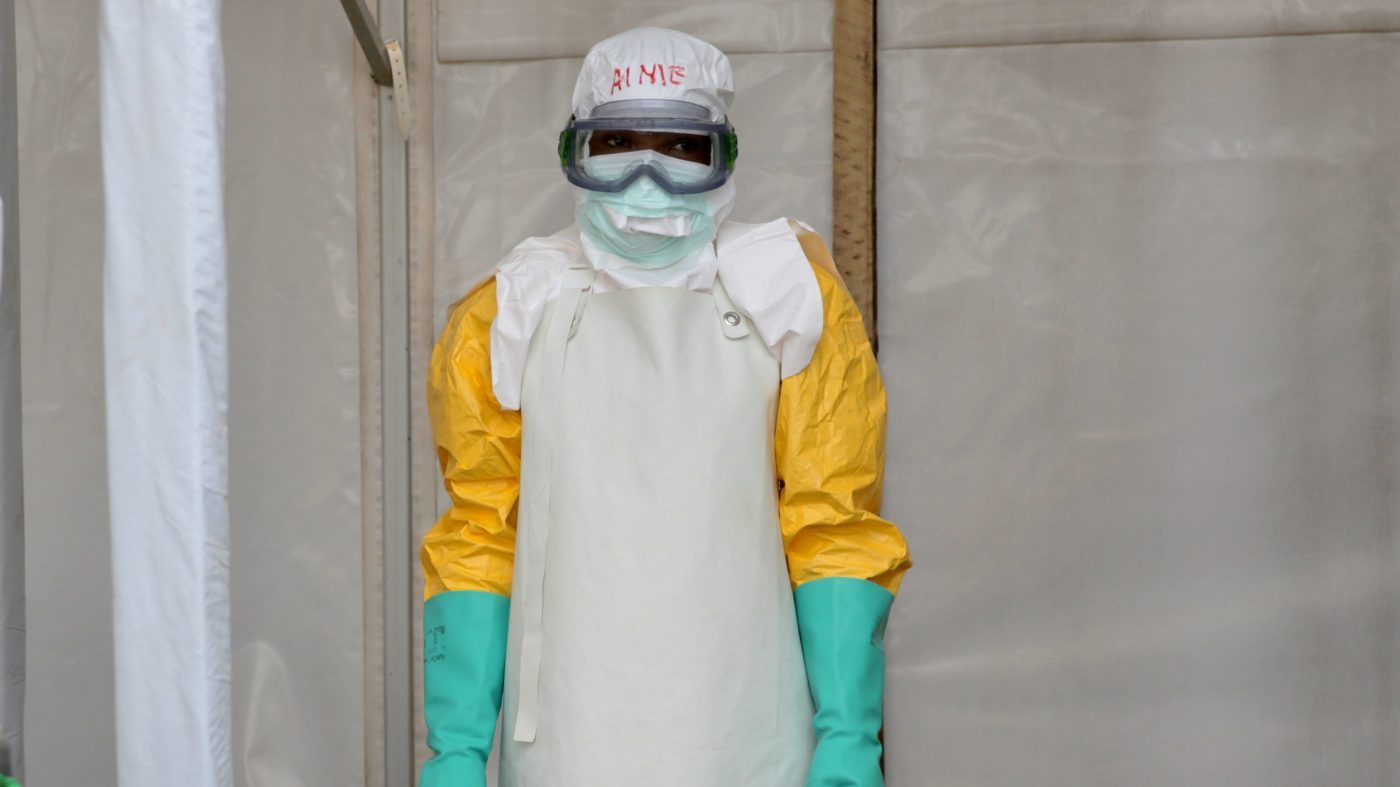
The deadliest Ebola outbreak in Congo's history has now claimed more than 3,000 lives, according to new figures released Wednesday by the country's Ministry of Health. The data show 6,186 confirmed cases and 3,007 deaths since the World Health Organization (WHO) declared the situation a global health emergency in May. Over 1,400 people have recovered from the viral disease.
The outbreak, which escalated last month into Congo's worst ever, involves the Bundibugyo strain of Ebola. In response, the government requested access to the global stockpile of Ervebo vaccines. The International Coordinating Group on Vaccine Provision (ICG) authorized an initial release of 70,000 doses, as confirmed by the Africa Centres for Disease Control and Prevention (Africa CDC).

These vaccines are being administered as part of a clinical trial, though they have only been proven effective against a different Ebola strain, according to the U.S. Centers for Disease Control and Prevention (CDC). Despite this limitation, the deployment marks a critical step in containing the outbreak.
WHO Director-General Tedros Adhanom Ghebreyesus welcomed the vaccine release, calling it an “important example of global solidarity in action” in a social media post. He emphasized the WHO's commitment to working with national authorities and partners to strengthen surveillance, improve care, and accelerate vaccination efforts.
While the majority of cases are concentrated in Congo, neighboring Uganda has also been affected, reporting 20 confirmed cases since May. However, at the end of August, Ghebreyesus announced that Uganda had successfully ended its outbreak after a 42-day monitoring period with no new cases. He praised Uganda's preparedness and surveillance measures as a model for regional containment.
The response in Congo faces significant hurdles, including limited healthcare infrastructure, ongoing conflict, high population mobility, and widespread distrust of government institutions, as noted by the WHO. These challenges have complicated efforts to track the virus and deliver care.
Dr. Jean Kaseya, director-general of Africa CDC, has called for a “village-centered response,” advocating for free healthcare services, safe reopening of schools, and improved cross-border communication. In a statement last month, he urged Congo to match the “urgency and focus” demonstrated by Uganda. “Every delay costs lives,” he wrote on social platform X. “The moment demands decisive, unified action.”
The outbreak's trajectory remains a concern for regional and global health officials, as healthcare workforce challenges and school reopenings in affected areas could exacerbate transmission. The international community continues to monitor the situation closely, with the WHO and Africa CDC ramping up support.