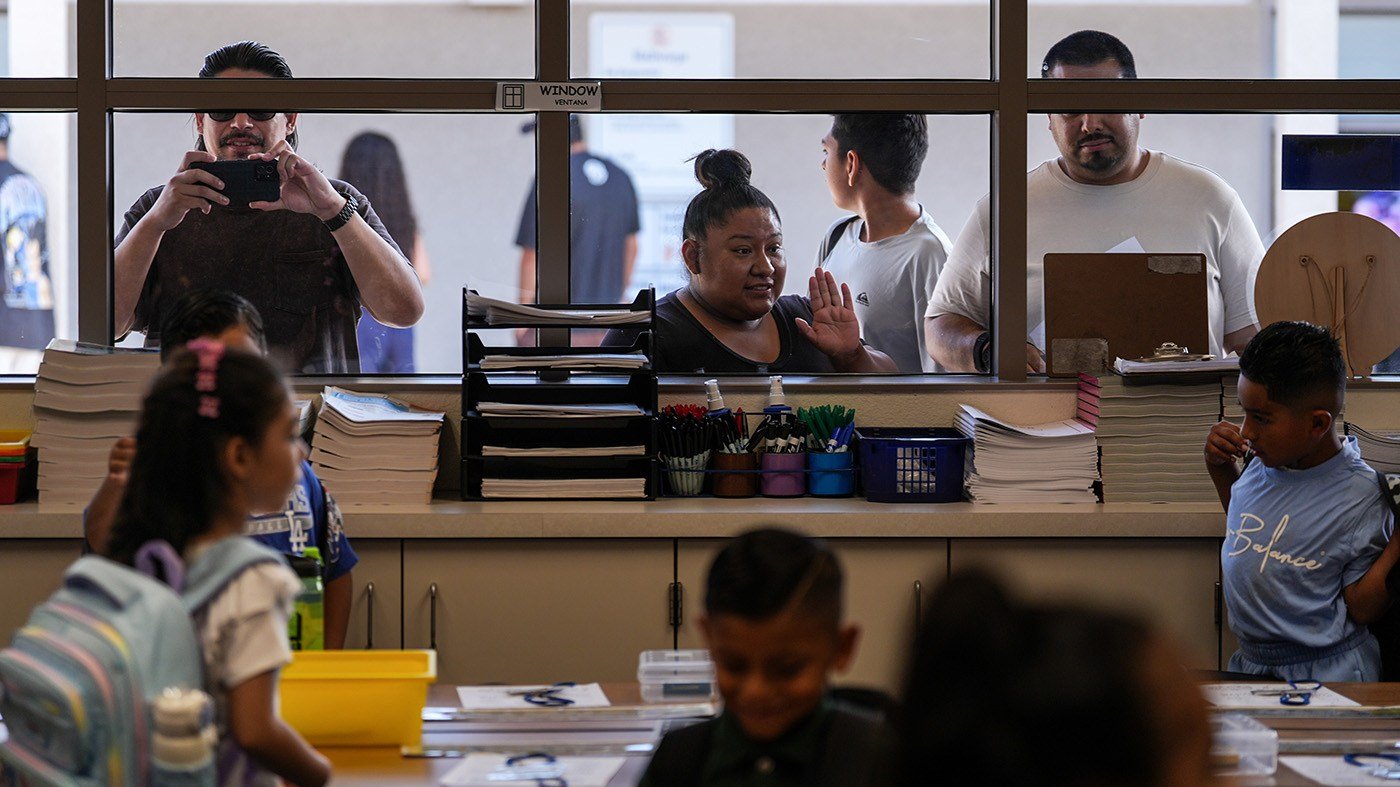
As the majority of U.S. public schools open their doors for the 2026-27 academic year, public health leaders are bracing for a further escalation of the nation's worst measles outbreak in more than three decades. With nearly 3,000 cases reported across 47 jurisdictions and 36 new outbreaks this year, the return to classrooms—where unvaccinated children cluster—is expected to accelerate transmission.
Lori Freeman, CEO of the National Association of County and City Health Officials (NACCHO), told The Hill that the current trajectory is unlikely to change without a major shift in vaccination attitudes. “There's nothing that I can think of that's going to stem the tide of what we've experienced,” she said. “The only thing that's going to turn it back is by addressing people's fears about immunization, vaccination, and getting people vaccinated.”

The outbreak has become a political flashpoint, with the Trump administration drawing sharp criticism for its handling of vaccine policy. Randi Weingarten, president of the American Federation of Teachers, blamed the administration for turning vaccine hesitancy into a culture war. “The worst part about this two-year surge in measles is that it was completely avoidable,” she said in a statement. “Instead of trusting pediatricians, the science and the data, this administration turned vaccine hesitancy into a culture war, peddled disinformation, and undermined and underfunded the CDC.”
Weingarten added that schools and hospitals are now left vulnerable, with educators and healthcare workers acting as “first responders to waves of infections that never should have spread in the first place.”
New CDC data released this week underscores the challenge: non-medical vaccine exemptions among kindergarteners hit an all-time high of 4.2 percent during the 2025-26 school year, with 24 states reporting exemption rates above 5 percent. Meanwhile, MMR vaccination coverage among kindergartners fell to 92.4 percent—below the 95 percent threshold needed for herd immunity and a steady decline since the 2019-20 school year.
In a briefing on back-to-school health, experts from the Infectious Diseases Society of America (IDSA) stressed the urgency of immunization. “A single unvaccinated child in a school full of unvaccinated classmates can start an outbreak that spreads to dozens of families within days,” said Dr. Julia Rosebush, a pediatric associate professor at the University of Chicago.
Tracking unvaccinated students remains a delicate issue, as it intersects with parental rights. Freeman noted that school nurses often hold this information and recommended they update emergency operations plans for potential classroom exposures. Measles is among the most contagious diseases—one infected person can infect up to nine out of ten unvaccinated contacts.
Complicating matters, President Trump recently signed an executive order calling for the MMR vaccine to be split into separate shots for measles, mumps, and rubella—a move that would turn two appointments into six. However, no U.S. manufacturer currently produces monovalent versions of these vaccines, and states including California, New York, Virginia, and Pennsylvania have already affirmed they will stick with the combined vaccine.
Freeman said NACCHO is focusing on identifying “susceptible pockets” of unvaccinated communities—often concentrated in specific neighborhoods, social networks, or religious groups—that could harbor and spread the virus. Rather than confrontational messaging, her organization is pivoting to listening sessions and partnerships with trusted community leaders. “We cannot continue to kind of force vaccinations down the throats of people who are hesitant,” she said. “We have to start in a different place, and that place really is listening and hearing and understanding what their questions are first.”
The stakes are high as the school year begins, with public health officials warning that without a concerted effort to boost vaccination rates, the outbreak could spiral further. As other infectious disease threats continue to emerge, the measles crisis underscores the fragility of the nation's immunization infrastructure.