The Trump administration signaled Wednesday that it will move to relax federal methane emissions rules for the oil and gas sector, a step that could significantly weaken climate protections put in place under the previous administration.
The Environmental Protection Agency (EPA) said in a press release that it will soon propose changes to the Biden-era methane regulations, though it did not release a detailed draft. The agency indicated it would target several key provisions, including the repeal of a program requiring companies to respond to credible reports of major methane leaks, known as the Super Emitter Program.
The EPA also said it would revise rules for so-called "marginal" wells—low-producing, high-emitting oil and gas wells. These wells account for roughly 7 percent of U.S. oil and gas output but are responsible for about half of the sector's methane emissions, according to a ProPublica report citing a draft under White House review. The agency did not specify what changes it would propose for these wells, but the draft suggested it would significantly ease leak inspection and equipment upgrade requirements.
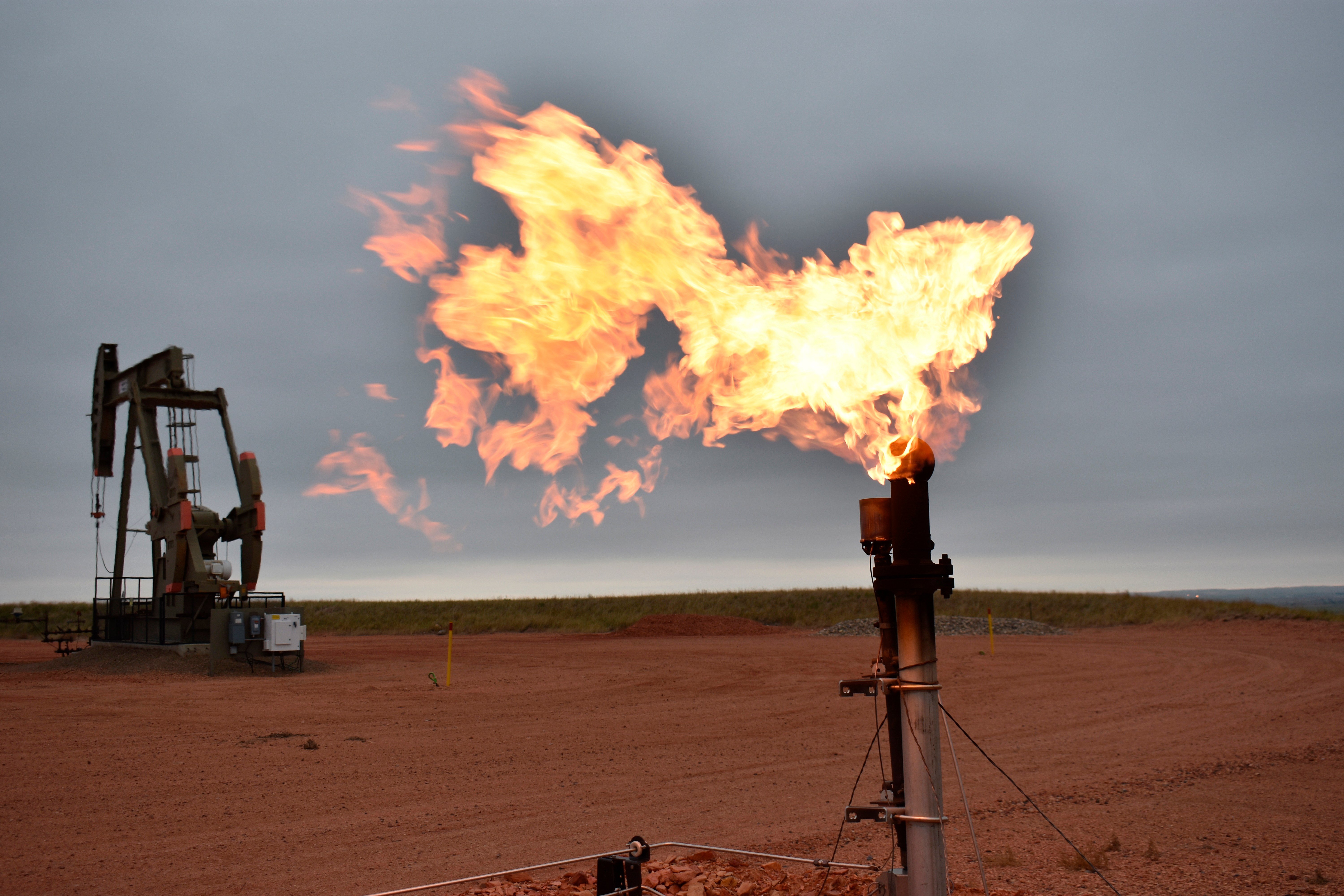
In addition, the EPA said it would "revisit" its approach to flaring—the burning of excess gas extracted alongside oil—which the Biden administration had sought to eliminate at new wells. The agency said it aims to make "compliance possible all over the country and ensure a reasonable approach," without detailing specific modifications.
EPA Administrator Lee Zeldin touted the potential economic benefits, claiming the changes could save an estimated $45 billion. "The Trump EPA is days not weeks away from announcing our proposal for the second part of the oil and gas reconsideration," Zeldin said in a statement. "This proposal takes on many of the problems American producers and operators have raised with us," he added, citing the burden on marginal wells, the Super Emitter Program, associated gas, and control device requirements.
Zeldin framed the move as necessary for energy affordability. "Americans must be able to afford to heat their homes in the winter and fill up their car and drive to work," he said. "They can't do that when the people producing the energy are weighed down by unnecessary burdens."
Methane is a potent greenhouse gas, roughly 28 times more effective at trapping heat than carbon dioxide over a century, and it accounts for about 25 percent of global warming. It is primarily released during fossil fuel extraction and transport, as well as from agriculture and landfills. Natural gas is largely composed of methane.
The Biden administration tightened methane rules in 2023, projecting that the regulations would prevent 58 million tons of methane from entering the atmosphere between 2024 and 2038—the equivalent of taking 28 million gas-powered cars off the road for a year.
Environmental advocates immediately criticized the EPA's announcement. David Doniger, senior strategist at the Natural Resources Defense Council, said in a statement: "The Trump EPA is trying to give a free pass to the worst actors in the oil and gas industry. Many companies had already complied with these rules, but a few rogue actors refuse to check for leaks or monitor their equipment adequately. Those deadbeats would get bailed out by this action."
Doniger added that methane leaks are economically wasteful, saying, "Methane leaks are the dumbest kind of pollution because the industry is losing the very product it is selling. That's what made the standards so cost effective: Checking for leaks means the industry has more gas to sell."
The move is part of a broader push by the Trump administration to roll back environmental regulations, a theme that has resonated with Republican voters ahead of the midterms. It also comes as the administration has faced pushback from the fuel industry on other policy fronts, such as a proposed red-dyed diesel change.