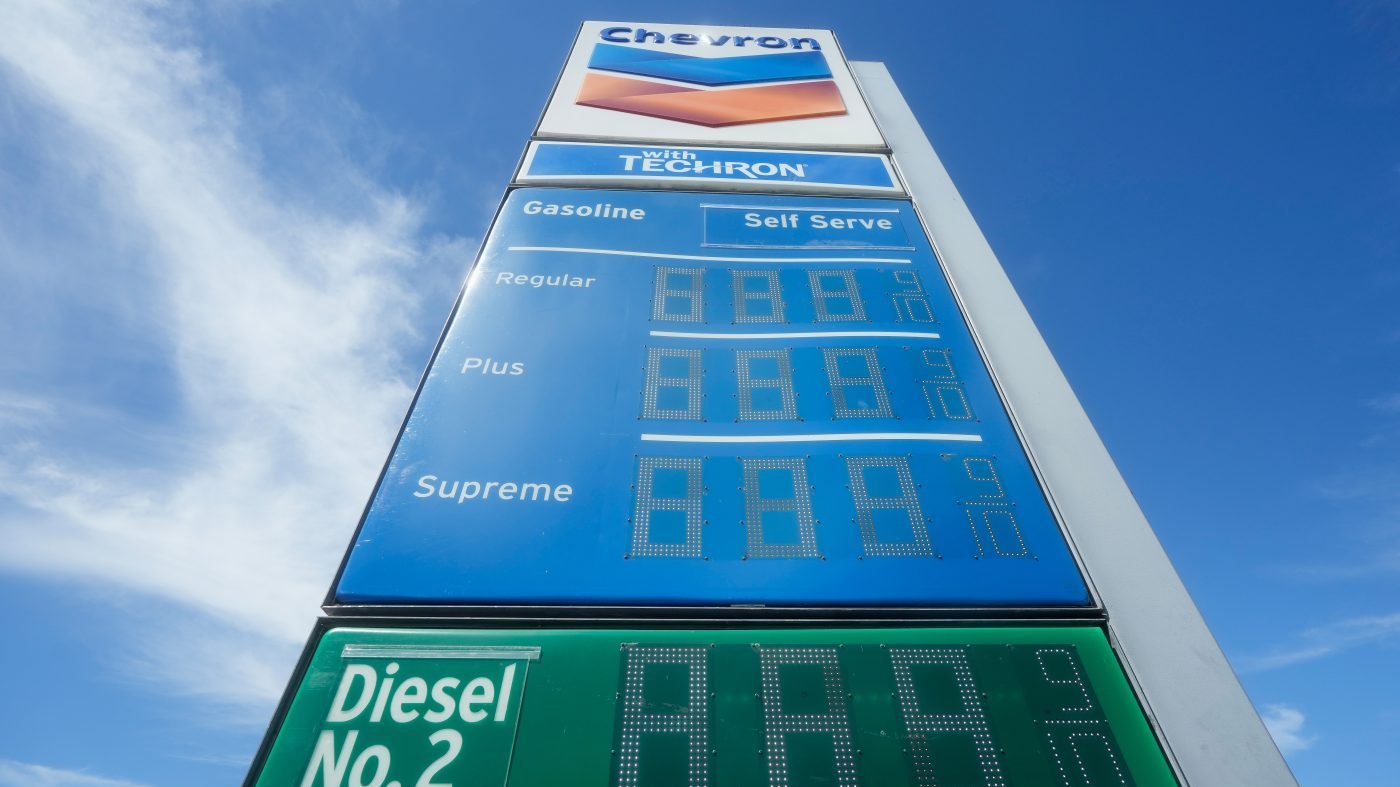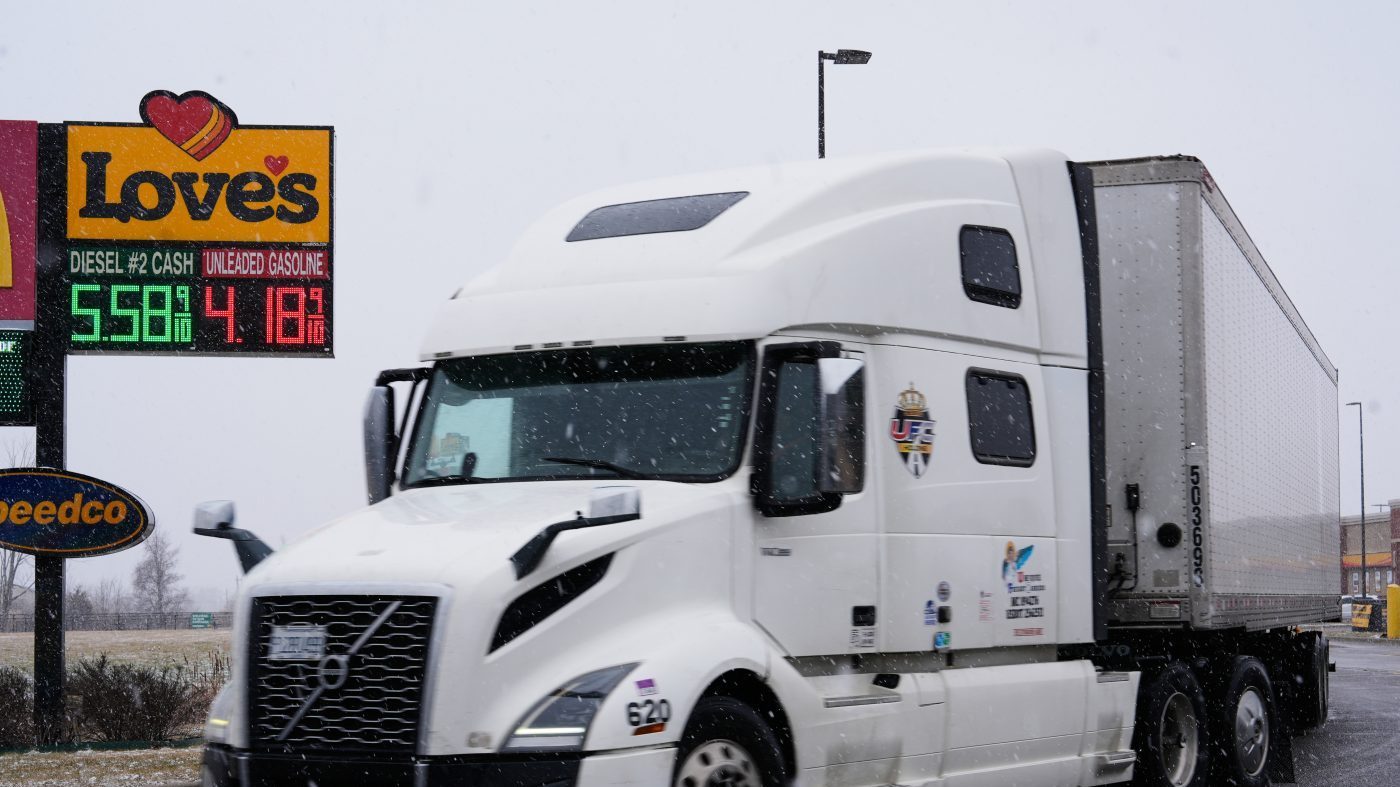
Major fuel industry associations are pushing back against the White House's recent executive order aimed at expanding the use of tax-exempt red-dyed diesel, warning truck stops that the move carries more risk than reward.
In a joint advisory to members, the Society of Independent Gasoline Marketers of America (SIGMA) and the National Association of Truck Stop Owners (NATSO) said the administration appears to be encouraging fuel suppliers to sell dyed diesel through unconventional channels, but they expect most reputable retailers to steer clear. “We do not expect most reputable diesel retailers and fuel marketers to do this,” the groups wrote, according to NBC News. “First, the tax is still owed, so there’s limited upside.”

The groups also highlighted practical hurdles: residual dye can linger in storage tanks and fuel systems, creating contamination risks for future fuel batches. “The logistical challenges outweigh any visible upside,” they stated. They concluded that for fuel sellers, “liability and customer risk outweigh any temporary, uncertain benefit.”
President Trump's executive order, announced earlier this week, aims to lower diesel prices by allowing highway use of red-dyed diesel and deferring the federal excise tax on it. Red-dyed diesel is normally tax-exempt and restricted to off-road uses like farming and construction. The dye serves as a marker for law enforcement to detect illegal on-road use and enforce penalties and back taxes, according to a White House fact sheet.
Under the order, the IRS will defer enforcement of the red-dye diesel tax from October 5 through December 13, and the agency has been directed to explore options, including legislation, to permanently eliminate the tax obligation. A White House official said the Treasury Department and IRS are preparing guidance for taxpayers.
Another industry group, Energy Marketers of America, also urged caution, noting that the order does not forgive the tax. “Whether relief is available, whom it covers, and on what conditions depend on Treasury determinations and guidance not yet issued,” the group said. “Deferral is not forgiveness.”
White House spokeswoman Taylor Rogers defended the action, saying it “will quickly cut diesel costs by authorizing highway use of tax-free dyed diesel and deferring the federal diesel excise tax through the end of the year.” She added that it “will put money directly back into the pockets of American truckers, farmers, and workers—providing savings of as much as $100 per fill.”
The move comes amid record-high diesel prices, and follows other administration efforts, such as tapping strategic fuel reserves and ruling out an export ban. However, experts remain skeptical about the actual impact, as noted in analysis of the policy's potential savings. The industry's resistance underscores the challenges of implementing such a policy without clear tax guidance and enforcement clarity.