Three years have passed since Israel launched its devastating military campaign in Gaza following the Hamas attacks of October 7, 2023. A ceasefire declared a year ago has done little to halt the violence. The raw numbers—tens of thousands dead, millions displaced—have become numbing, but the reality behind them is a systematic dismantling of Palestinian life.
The Scale of Displacement and Destruction
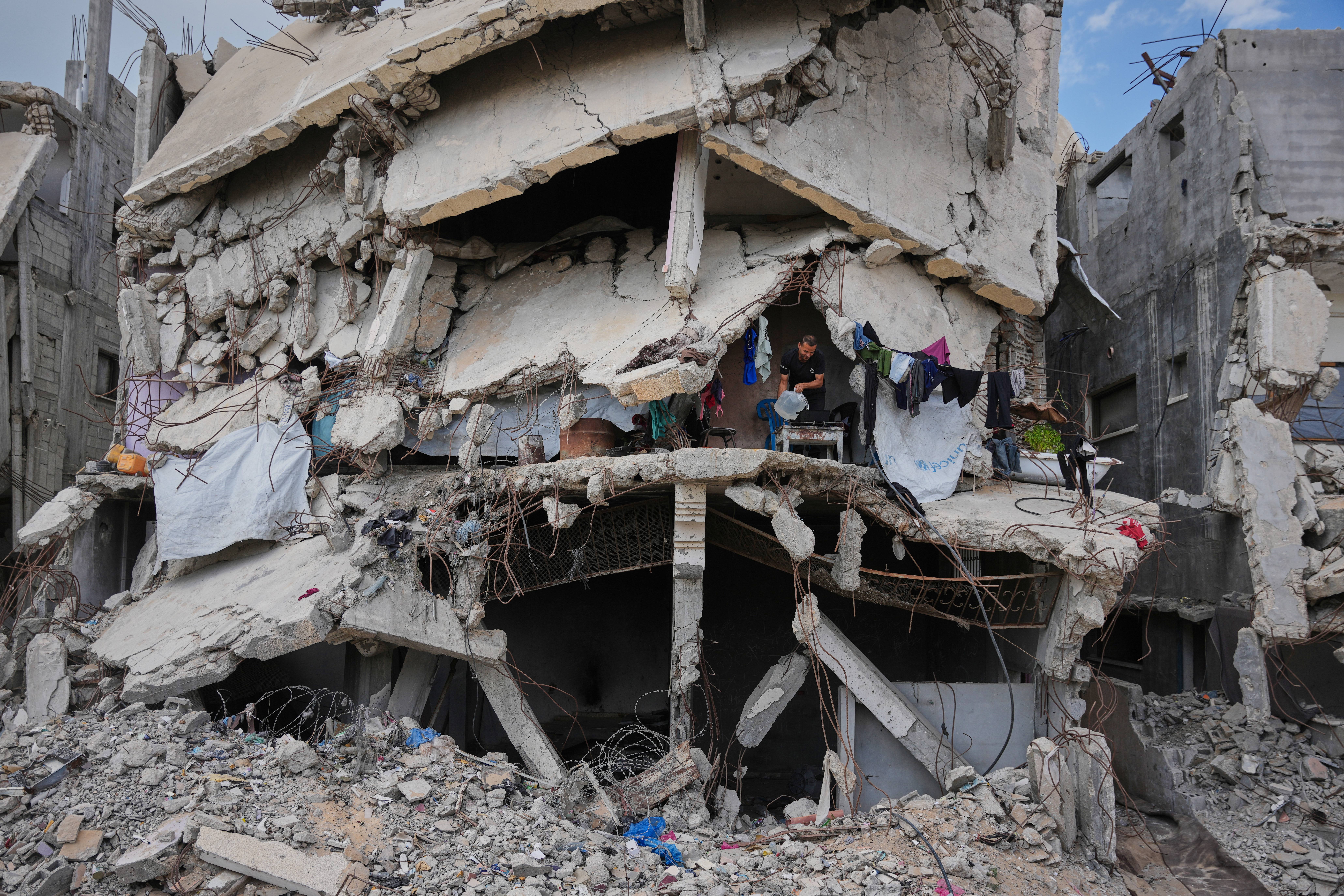
According to the United Nations, approximately 90% of Gaza's population—nearly 2 million people—has been forcibly displaced, many repeatedly. They now live in overcrowded tent cities where the air reeks of smoke and sewage, and desperation is the only constant. More than 80% of all buildings in Gaza have been razed, erasing entire neighborhoods, family histories, and childhood memories into concrete dust.
The Human Toll on Children and Families
The war's impact on children is staggering. The U.N. estimates that 17,000 children have been orphaned or separated from their caregivers. Thousands more suffer from amputations, burns, and shrapnel wounds, with no access to necessary surgeries or prosthetics. Even after the ceasefire, Israeli strikes have killed over 300 children. Many children have never turned on a faucet, never sat in a real classroom, and go to bed hungry due to persistent food shortages.
For the elderly, the situation is equally dire. Hani Almadhoun, vice president of philanthropy at UNRWA USA and co-founder of the Gaza Soup Kitchen, writes that his father, diagnosed with cancer this fall, cannot receive life-saving treatment because Israel has destroyed hospitals and blocks exit for medical care. "My father did not survive a genocide only to die of untreated cancer in a shelter he has to flee every time it rains," Almadhoun writes.
Deliberate Erasure or War's Byproduct?
Human rights groups and international experts, including U.N. officials, argue that this destruction is not incidental. They describe a deliberate effort to make life in Gaza impossible, leaving Palestinians a cruel choice: abandon their ancestral land or die beneath its ruins. Senior Israeli officials have spoken openly of "voluntary migration," a term critics call a euphemism for ethnic cleansing.
The Israeli military is also actively removing rubble, which experts say contains the crushed bodies of Palestinians. This is not mere debris clearance, they warn, but the destruction of evidence of potential war crimes.
Aid Shortfalls and Legal Obligations
More than 71,000 children under five are at risk of acute malnutrition. Aid flows into Gaza have dropped by roughly one-third since the ceasefire's early months, according to the U.N. The international community, particularly the U.S. as a signatory to the Genocide Convention, has a legal obligation to act. Global inaction on terrorism has been a recurring theme, but here the focus must shift to preventing further atrocities.
Demands for Accountability
Almadhoun and other advocates call for immediate sanctions and an arms embargo on Israel, including an end to unconditional U.S. military funding. They demand that Israel allow unconditional entry of humanitarian aid—water, food, fuel, medicine, and shelter materials. The United Nations Relief and Works Agency (UNRWA) must have its funding restored and be allowed to operate without interference. Finally, Palestinians must be central to any planning for Gaza's future, not sidelined by foreign financiers.
As the prospects of a Saudi-Israel pact remain cool, the urgency of addressing Gaza's catastrophe grows. The world has watched for three years; it is time to stop the horror.